HyperOS 3 tests with Android 15 for twelve Xiaomi and Redmi Note 13 5G devices
Xiaomi has begun an internal testing phase for HyperOS 3, its proprietary interface built on the Android 15. The initiative aims to extend the useful life of a dozen smartphone and tablet models, including the popular Redmi Note 13 5G, ensuring that users of a wide range of devices enjoy an updated and optimized software experience.
This beta testing program is in full development across multiple regions, covering both the Chinese and global markets. The Chinese manufacturer’s strategy underlines its commitment to improving the usability and performance of its extensive product portfolio, even those that are not the most recent releases.
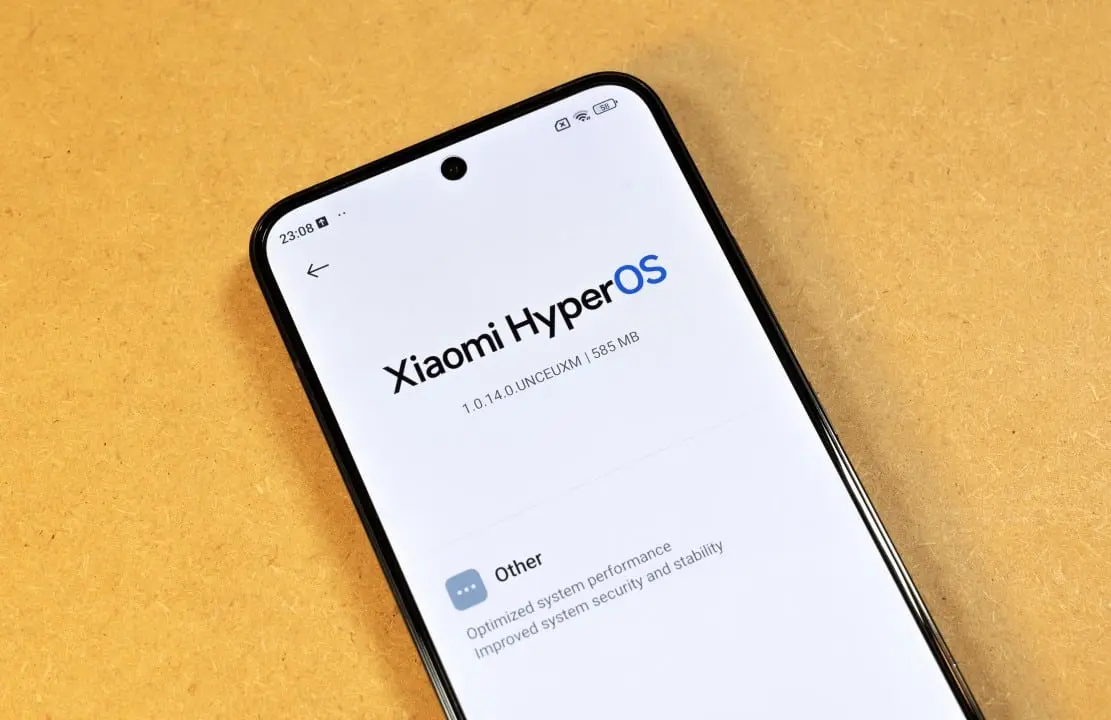
The choice to focus on Android 15 for this wave of updates is a calculated move to ensure devices receive essential fluidity improvements and key features of the new interface, promising significant advances in system optimization and a refreshed look for 2025.
Models in early testing of HyperOS 3
Internal records from the developer community indicate that the Redmi Note 13 5G is among the top devices to receive the HyperOS 3 global update.
On the same topic: Apple accelerates production of the iPhone 17e and develops new Air model with dual camera system
The detailed list of devices already in the testing phase with HyperOS 3, based on the Android 15, reveals a combination of popular models and some flagships from previous generations, demonstrating the scope of the Xiaomi initiative.
Improving the useful life of devices
Xiaomi’s strategy of extending major updates to older devices underscores its commitment to product longevity and customer loyalty. By ensuring that legacy devices receive significant improvements, the company not only values its users’ investment, but also promotes a brand image concerned with the life cycle of its equipment.
For many of these devices, this will represent the last major operating system update, as HyperOS 3.1, which will require compatibility with Android 16, will not be released for them. The company, however, seeks to deliver the greatest possible value within existing hardware capabilities, prolonging the technological relevance of the models.
Performance and security optimization
The new version of the operating system is being meticulously adapted to extract maximum performance even from previous generation hardware. Promises include notable improvements in the overall fluidity of the interface and efficient resource management, crucial elements for the user experience.
The main focus lies on optimizing the energy consumption of devices and improving the system’s response speed. Este effort aims to provide a more agile and lasting user experience, essential for long-term satisfaction.
See Also


Full coverage: News (EN)
In addition to visual improvements and the introduction of new functions, updating the mobile operating system plays a fundamental role in protecting user data and the integrity of the device itself. Manter updated software for cell phones is the main guarantee that security vulnerabilities are promptly corrected.
Xiaomi, aware of this responsibility, maintains a rigorous testing program to ensure the stability and solidity of the new version before its official and widespread launch, defending the user against possible digital and cyber threats.
Next devices to receive HyperOS 3
Despite the considerable list of devices already in the internal testing phase, several other popular models from the brand are still awaiting inclusion in the program. The expectation of the market and the user community is that these devices will be added in the coming weeks.
This will occur after advancing the development schedule and confirming the stability of the version on pioneering devices. Phase-in allows for more accurate quality control and resolution of any bugs before mass launch.
This group of smartphones is expected to receive HyperOS 3 (Android 15) in a later testing phase, which confirms Xiaomi’s intention to cover an even wider range of its portfolio.
HyperOS 3 features with Android 15
Choosing Android 15 as the basis for this series of HyperOS 3 updates represents a strategic decision by Xiaomi to maintain support for devices that have already reached the threshold of major advancements in Android versions. Este approach implies that although the visual interface and proprietary experience are completely revamped, certain more advanced functions that rely exclusively on native features introduced in Android 16 may not be available on these models. The distinction is crucial for users seeking the latest innovations in the Google ecosystem. The company, however, prioritizes offering a complete experience of the new operating system, with an emphasis on improved usability and a modern, intuitive design, ensuring that most of the benefits of HyperOS 3 are accessible and positively impact users’ daily lives.
Release schedule and stability
Phased testing is crucial to ensure system stability across different hardware configurations. Esse iterative process is essential to identify and correct errors specific to each model, optimizing the end user experience and minimizing post-launch issues.