
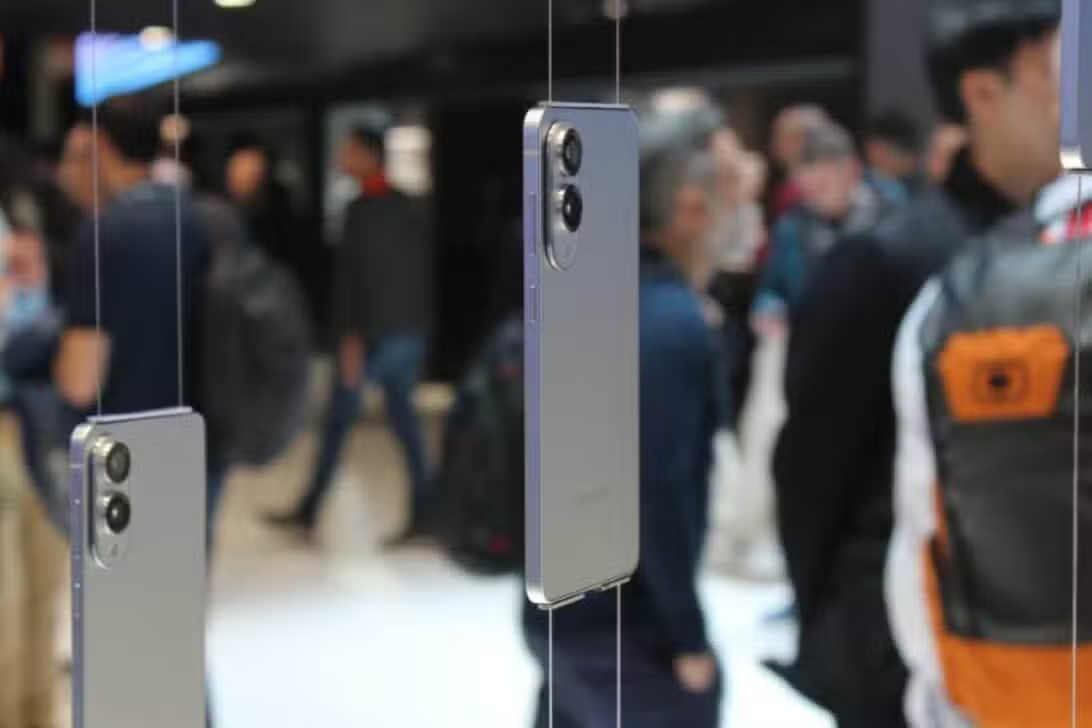
In April 2025, Samsung revealed a significant expansion of its One UI 7 interface, developed on the basis of Android 15, for a total of 46 devices in its Galaxy line. The Esta initiative reinforces the company’s position as a leader in the global smartphone and tablet market, offering innovations that range from the recently launched Galaxy S25 series to mid-range models such as the Galaxy A54, as well as tablets such as the Tab S9.
The upgrade process, which began in 2024, aims to deliver cutting-edge artificial intelligence, a renewed design and improved security features. The South Korean giant seeks to provide a modern experience for millions of users around the world, including strategic markets like Brasil, with a focus on optimized performance and robust 5G connectivity.

Distribution will occur in phases throughout 2025, ensuring that devices from different categories receive innovations that balance accessibility with advanced technology. The strategy serves both technology enthusiasts and consumers looking for good value for money, solidifying Samsung’s commitment to extended support for its products.
Initial Release Highlights
The Galaxy S25 series, presented in January 2025, has already hit the market with the One UI 7 pre-installed. Equipados With next-generation processors, these devices take full advantage of the update’s new features, including responsive AI assistants and in-depth customization options. Usuários report fluid performance in everyday tasks, from browsing social media to editing videos, with smooth transitions that enrich the overall experience.
The Galaxy S24 line, which encompasses the S24, S24+ and S24 Ultra models, began receiving the update in September 2024. The camera app, powered by artificial intelligence, offers real-time adjustments, such as removing unwanted objects and optimizing lighting, delivering almost professional results.
Foldable devices, such as the Galaxy Z Fold 6 and the Z Flip 6, were some of the first to benefit from the news. The interface has been carefully adapted for flexible screens, allowing you to run up to three applications simultaneously with simplified navigation. Essa functionality is particularly useful for professionals who need to multitask and for enthusiasts who enjoy gaming or streaming in innovative formats.
Devices that receive One UI 7
The scope of the updated models demonstrates Samsung’s commitment to unifying its Galaxy line, bringing the latest features to a diverse audience. The initial list of devices confirmed to receive One UI 7 prioritizes flagships and premium tablets, with intermediate models planned for the next phases.
The inclusion of older devices, such as the Galaxy S22 series, underlines Samsung’s extended support policy, ensuring that a wider user base can enjoy the improvements.
Artificial intelligence as a priority
One UI 7 positions artificial intelligence as a transformative element in the user experience. Built-in Assistentes analyze usage patterns, suggesting shortcuts for frequent tasks, such as responding to messages or adjusting screen brightness according to ambient light. Essa customization reduces the need for manual interventions, making devices more intuitive and efficient.
The battery saver feature uses machine learning to optimize power consumption. Testes indicate up to a 15% increase in battery life during heavy use, such as streaming or gaming sessions. In models like the Galaxy S25 Ultra, AI dynamically balances processor performance, ensuring efficiency across a variety of applications.
Photography also stands out with advanced tools. The native camera app removes background noise in videos, automatically enhances colors, and corrects imperfections in portraits. Essas capabilities, previously restricted to paid software, are now accessible on mid-range devices like the Galaxy A54, expanding access to high-quality resources.
Enhanced security measures
Personal data protection is a key pillar of One UI 7. The interface introduces granular permission controls, allowing users to restrict apps’ access to sensitive information such as location or contacts. For example, location sharing can be limited to when an app is in use, minimizing the risks of unwanted tracking.
The Samsung Knox security platform has received updates with additional layers of protection. Ela monitors suspicious activity in real time, thwarting unauthorized access attempts. In conjunction with Android 15, the system offers robust defenses against malware, a crucial aspect for users who store financial or corporate data on their devices.
Compatible devices will receive security updates for up to five years, depending on the model. Esse commitment extends device longevity, especially in markets where frequent updates are less common, strengthening user confidence in an increasingly complex digital landscape.
Support for older models
Although newer devices take priority, Samsung provides partial support for older models. The Galaxy S21 series, launching in 2021, will not receive the full One UI 7 experience, but will remain eligible for security patches until 2026 in select regions. Essa approach keeps these devices functional even without cutting-edge features.
Intermediate Modelos, such as the Galaxy A53, also benefit from extended support. No Brasil, where entry-level and mid-range devices dominate sales, this ensures performance and security improvements for a broad user base. Unlocked models generally receive updates before carrier-tied variants.
Detailed distribution schedule
The distribution of One UI 7 follows a structured schedule designed to ensure the stability and quality of the update across all devices. Samsung recommends that users check availability in software settings, using a stable Wi-Fi connection and at least 50% battery power during the process.
Optimizations for foldable devices
The Galaxy, Z Fold 6 and Z Essa functionality is ideal for users who need to manage spreadsheets, video calls and notes on a single device.
Navigation has been simplified with practical split-screen options. Para entertainment, such as watching videos while communicating via messages, the experience is fluid and continuous. One UI 7 also contributes to reducing power consumption in foldable displays, which helps extend the long-term durability of the hardware.
Enhanced 5G connectivity
5G connectivity is one of the central pillars of One UI 7. The interface reduces latency in fifth-generation networks, ensuring fast data transfers and stable video calls. In urban areas with robust coverage, Galaxy devices deliver consistent performance, even at peak times, optimizing the user experience.
In rural regions, where 5G infrastructure is still expanding, One UI 7 optimizes transitions between 5G and 4G, preventing connection interruptions. Essa flexibility is crucial in markets like Brasil, where 5G deployment varies by state. Modelos like the Galaxy A54 demonstrate notable speed improvements in practical tests.
Data management tools allow users to set specific limits per application, helping to reduce costs on plans with limited deductibles. Este feature is aimed at consumers looking to balance performance with affordability, especially in emerging markets where feature optimization is valued.
Advantages of Galaxy Tablets
The Galaxy Tab S9 and S8 series stand out with the arrival of the One UI 7. The interface improves tasks such as video editing, project management and streaming, aligning the performance of tablets with that of the most powerful smartphones. Multitasking supports floating windows, an ideal feature for students and professionals who need flexibility.
Accessory compatibility has also been improved. No Tab S9, S Pen latency has been reduced, offering greater accuracy for notes and sketches. Battery life also benefits, with gains of up to 20% in light tasks such as reading or web browsing, making tablets even more autonomous.
These advances consolidate tablets as viable alternatives to laptops for lighter productivity tasks, attracting users looking for versatility without the need for large investments. Integration with the Galaxy ecosystem allows for a fluid transition between devices, optimizing the workflow.
Seamless integration into the Galaxy ecosystem
The One UI 7 strengthens the links between the various Galaxy devices. Smartphones, tablets, smartwatches, and headphones share data efficiently, enabling smooth transitions between them. For example, a call initiated on an Galaxy S25 can be transferred to an Tab S9 without interruption, ensuring continuity.
Native apps like Samsung Notes sync in real time, allowing users to access their information from any device. Usuários with multiple devices Galaxy report easier workflow, especially in corporate environments. Essa integration reflects the closed ecosystem approach, but with a wider price diversity.
Support for wearables also expands. Galaxy Watch displays detailed notifications from the One UI 7, allowing quick responses without needing to pick up your phone. Essa interconnection increases the perceived value of Galaxy products, encouraging brand loyalty and adoption of multiple line items.
Highlight for intermediate models
The addition of devices like the Galaxy A54 and M34 extends the reach of the One UI 7, bringing innovation to a crucial market segment. Esses models, popular on the Brasil, receive features previously restricted to flagships, such as photo editing with artificial intelligence and intelligent battery optimizations, democratizing access to advanced technology.
The Galaxy A54, launched in 2023, stands out for its versatility and, with One UI 7, delivers robust performance for browsing and social media, as well as an optimized camera that captures sharp images even in low-light conditions. Já the Galaxy M34, focused on autonomy, combines the energy savings of the One UI 7 with its long-lasting battery, ideal for prolonged use without frequent recharges.
These advances consolidate the Samsung’s advantage in markets where mid-range devices dominate, offering cutting-edge quality and features without the need for large investments. The company’s strategy aims to ensure that a wide range of consumers can enjoy the latest innovations.
one ui 7 essential features
One UI 7 introduces transformative elements to the user experience, focusing on improving everyday interaction with Galaxy devices. Estes features, combined with enhanced 5G support, position the devices as future-proof options for mobile technology and connectivity, meeting growing consumer demands.
Samsung global strategy
Samsung leads the Android ecosystem by offering up to four years of system updates and five years of security patches for its premium models. Essa policy matches brands like Apple, increasing the long-term value of Galaxy devices and strengthening consumer confidence in the products’ durability and support.
Brasil, a strategic market, will have millions of users impacted by One UI 7 by the end of 2025, especially in series A and M. Samsung adapts updates to meet local privacy and connectivity regulations, ensuring full compliance and an optimized experience for the local audience.
Integration with services like Google Gemini adds versatility to the platform. Usuários can leverage voice assistants for complex tasks, such as summarizing text or editing videos, reinforcing the Galaxy interface’s identity as a powerful, multifunctional tool.
Implementation challenges
The large-scale rollout of One UI 7 faces challenges inherent in hardware and software fragmentation. Updates for mid-range models may be delayed due to the complexity of adapting to different configurations, especially in regions with operator-customized software. Samsung invests in robust servers to speed up the process, but complexities persist.
Owners of older models like the Galaxy S21 are looking for more comprehensive support, although the Samsung prioritizes newer devices. Contudo, maintaining security patches for 2021 models demonstrates a commitment to the installed base, balancing innovation with continued support for loyal users.
One UI 7 seeks to consolidate Samsung’s status as a leader in Android updates, serving both technology enthusiasts and casual users in a highly competitive market.
Future vision of the platform
One UI 7 represents more than an incremental update, as it prepares Galaxy devices for future trends like augmented reality and cloud computing. The platform supports dynamic refresh rates of 120Hz, helping to save battery on compatible displays and optimizing visual fluidity for an immersive experience.
Samsung plans to further expand artificial intelligence in future iterations. Testes insiders suggest that One UI 8, expected in 2026, will advance local processing, reducing reliance on online connections. Essa future vision underlines the company’s continued commitment to innovation and improving the user experience.
With One UI 7, Samsung provides a convenient, secure and high-performance experience, meeting users’ diverse needs. The update is a bold step in the evolution of the Galaxy ecosystem, ensuring its relevance in a market in constant and rapid transformation.