
Canadian gardener who acted as Santa Claus is convicted of murdering eight men in Toronto

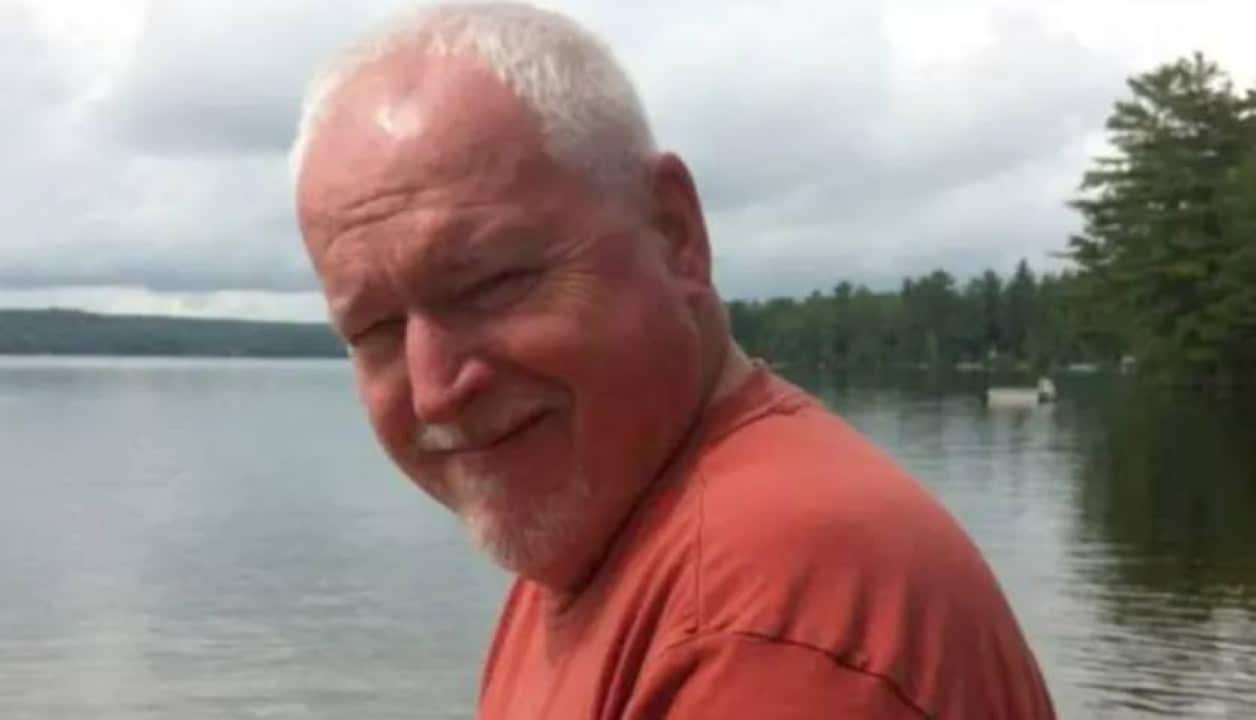
Bruce McArthur, a self-employed gardener from Toronto, in Canadá, maintained a normal appearance while committing a series of murders between 2010 and 2017. At the same time, the 67-year-old man at the time of his arrest selected victims mainly from the city’s gay community, hiding remains in plant pots on properties where he provided landscaping services.
McArthur was arrested in January 2018 following investigations that linked disappearances in the Church-Wellesley neighborhood, known as Gay Village. Ele pleaded guilty to eight counts of first-degree murder in 2019 and received life in prison, with the possibility of parole only at age 91. The crimes involved vulnerable men, many immigrants or with addiction problems, who frequented bars and dating apps.
Police identified that McArthur used his van to transport victims and kept trophies, such as photos and personal items. The discovery of remains in planters stored on a property marked the end of the criminal series.
- Victims included refugees from Sri Lanka and Irã.
- Many hid their sexual orientation from family members.
- McArthur had sexual relationships with several victims before the crimes.
Personal and family profile of the criminal
Bruce McArthur was born in 1951 on a farm in the interior of Ontario and grew up in a rural family. Ele married Janice Campbell at a young age, with whom he had two children, a daughter named Melanie and a son named Todd. The marriage lasted until 1997, when McArthur revealed his homosexuality and moved to Toronto, where he began to frequent the local gay scene.
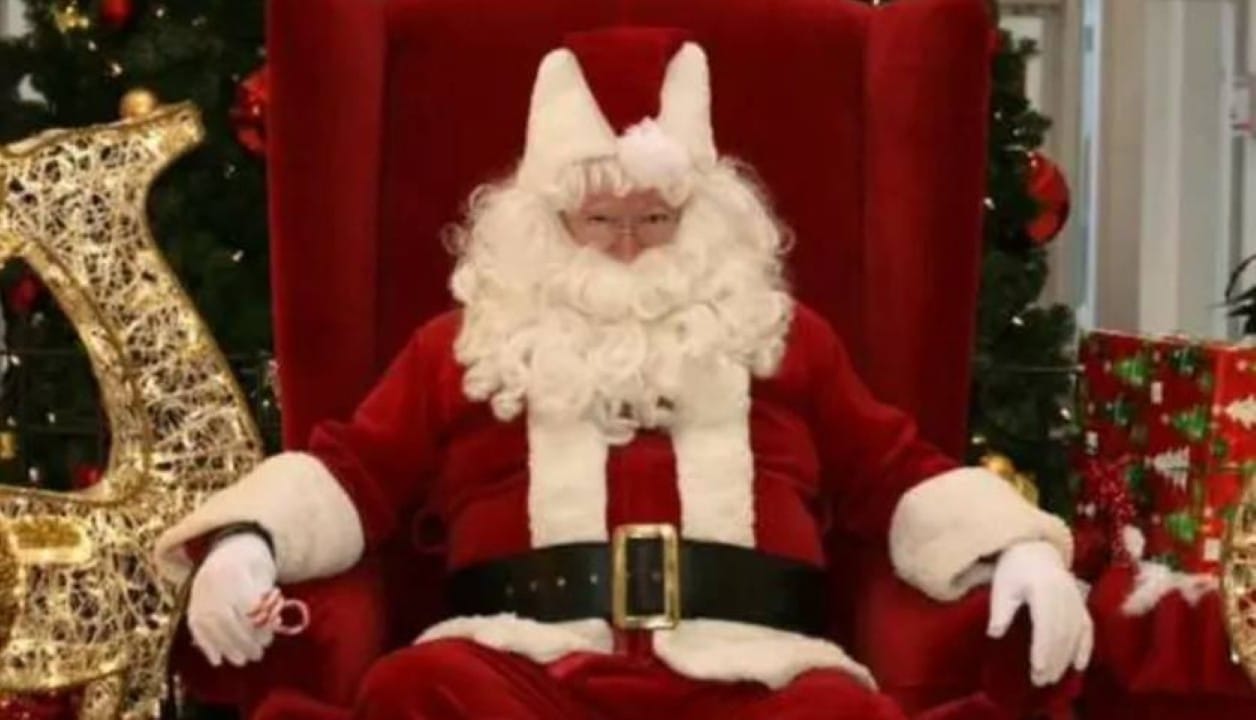
Despite the separation, he maintained contact with his family and projected an image of a dedicated grandfather on social media. McArthur worked as a freelance landscaper, which gave him access to several properties to hide evidence. Sua’s white beard and robust figure made him ideal for the role of Papai Noel at a mall’s seasonal events.
Initial chronology of disappearances
The first cases occurred in 2010, with the disappearance of Skandaraj Navaratnam, a 40-year-old immigrant from Sri Lanka last seen leaving a bar with a man. In the same year, Abdulbasir Faizi disappeared after visiting Gay Village. Dois years later, Majeed Kayhan, aged 58, also disappeared without a trace.
The police launched Projeto Houston in 2012 to investigate these three cases, but closed the investigations in 2014 without concluding a crime. Novos disappearances continued, including Soroush Mahmudi in 2015 and Dean Lisowick in 2016.
In 2017, Selim Esen and Andrew Kinsman went missing, which led to Projeto Prism and surveillance on McArthur.
Victims and common characteristics in crimes
The eight confirmed victims were gay or bisexual men, many of South Asian or Oriente Médio origin.
- Skandaraj Navaratnam: Imigrante of Sri Lanka, frequented gay bars.
- Abdulbasir Faizi: Casado, hid his sexual orientation.
- Majeed Kayhan: Afegão, refugee in Canadá.
- Soroush Mahmudi: Iraniano married with a double life.
- Dean Lisowick: Morador from the street with a history of addiction.
- Saddle Esen: Estudante with previous drug problems.
- Andrew Kinsman: Ativista known in the community.
- Kirushna Kumar Kanagaratnam: Refugiado tamil no family contact.
McArthur attracted victims via dating apps or bars. Ele suffocated them, dismembered them and buried parts in vases. Police found posed photos of the bodies on his computer.
Many cases involved social vulnerability, such as immigration or drug addiction. The concentration at Gay Village generated community alerts years before the arrest.
Police investigation and decisive arrest
The investigation gained momentum with the disappearance of Andrew Kinsman in June 2017. Seu calendar marked a meeting with “Bruce” on the day of his disappearance, and cameras captured him entering McArthur’s van.
Police set up surveillance and raided the apartment in January 2018, interrupting a possible ninth crime: a handcuffed man was rescued. Buscas revealed evidence in planters from a property linked to McArthur’s work.
Investigators examined more than 100 locations. The sentence in 2019 considered confession and age as factors in not imposing consecutive periods.
Mode of operation and forensic evidence
McArthur used his profession to access gardens and hide remains in large pots. Ele stored planters in a rented garage, where most of the remains were found.
Digital evidence included computer folders with photos of the victims alive and dead, some posed with accessories such as fur coats. Ele kept hair and personal items as souvenirs.
Police identified patterns of asphyxiation and dismemberment. McArthur had a prior history of violence, including a 2001 assault resolved with probation.
Context in the gay community of Toronto
The crimes deeply affected Gay Village, a refuge area for the LGBTQ+ community in Toronto. Muitas victims were immigrants who hid their sexuality, using the neighborhood as a safe space.
Disappearances have sparked serial killer rumors since 2012, but initial investigations were criticized for being slow. The arrest brought relief, but also questions about protecting vulnerable groups.
The case inspired documentaries and books about police failures and vulnerabilities in the community.



