
New travel restrictions for green card holders take effect in the United States

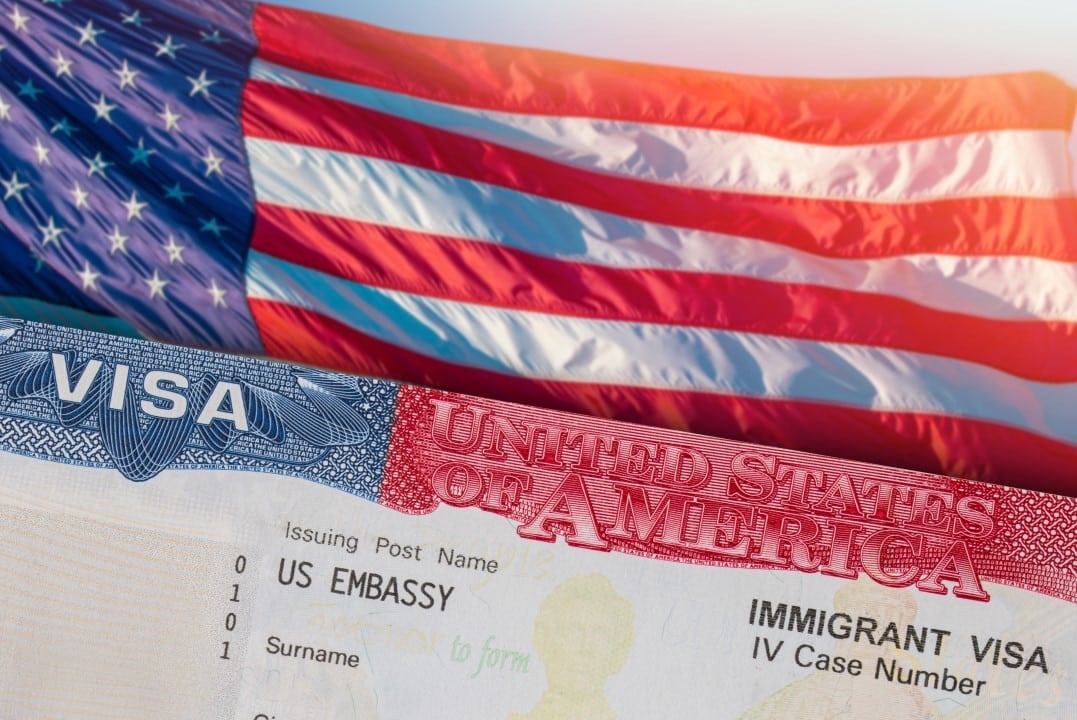
The Departamento of Segurança Interna of the Essas changes affect all noncitizens, including legal permanent residents, with a focus on modernizing border management and bolstering national security through advanced technologies.
Federal authorities now monitor international travel by noncitizens, applying heightened scrutiny to green card applicants and holders originating from 19 countries considered at risk. The collection of biometric data, such as photographs, occurs at all entrances and exits to the country.
These measures aim to improve tracking of visa overstays and ensure compliance with immigration laws. The rollout of the biometric entry and exit system will occur gradually over the next few years, starting at major airports.
Mandatory biometric measures
Starting December 26, 2025, all non-citizens, including green card holders, will undergo photo collection by Customs and Border Protection (CBP) at airports, seaports and land borders. Essa requirement eliminates previous exemptions and covers all travel categories.
The system uses advanced facial recognition to verify identities and track movements. Autoridades may request other biometric identifiers, such as fingerprints or iris scans, in specific cases.
Intensive checks for certain countries
The U.S. Citizenship and Immigration Services (USCIS) begins intensive reviews of green cards issued to citizens of 19 countries flagged for security concerns. Esses countries include Afeganistão, Myanmar, Chade, República, Iêmen, Burundi, Cuba, Laos, Serra Leoa, Togo,
Green card holders from these backgrounds face additional scrutiny when traveling, with possible requests for extra documentation. Especialistas recommend keeping up-to-date records and consulting with immigration lawyers before international travel.
- Maintain communications with DHS and USCIS monitored.
- Avoid prolonged travel that could raise residency issues.
- Prepare documents proving ties with Estados Unidos.

Gradual implementation of the system
DHS plans to expand the biometric entry and exit program over three to five years. The initial phase prioritizes main international airports, followed by land and sea ports.
This expansion integrates existing facial recognition technologies already used at many entry points. The main purpose is to track overstays and prevent travel document fraud.
Federal officials emphasize that the measures do not revoke valid green cards, but rather strengthen compliance checks. Viagens of permanent residents remain permitted, subject to new identification procedures.
Guidelines for permanent residents
Green card holders receive recommendations for updating records and monitoring official communications from DHS. Indivíduos of flagged countries consult professionals to assess risks on planned trips.
The biometric system applies to all exits, allowing full tracking of international movements. Essa approach aligns with broader immigration modernization efforts.
Experts highlight that the changes increase processing times at borders, especially during the initial phase. Viajantes prepare for additional procedures at entry points.
Expansion of security controls
The new rules authorize ongoing monitoring of non-citizen travel to identify potential immigration violations. Advanced Tecnologias supports real-time verification of biometric data.
DHS will issue additional guidance in the coming months on specific protocols for green card reviews. Essas updates clarify documentation requirements for those affected.
- Photographs collected at all entrances and exits.
- Possible expansion to other biometric data.
- Focus on preventing overstays and fraud.
The measures come into force immediately at selected points, with full implementation expected in the coming years. Permanent Residentes maintain status but face stricter checks.



