
Starting from 2026, Yuucho Bank offers 0.3% interest on ordinary savings after adjustment post-bank of Japan hike

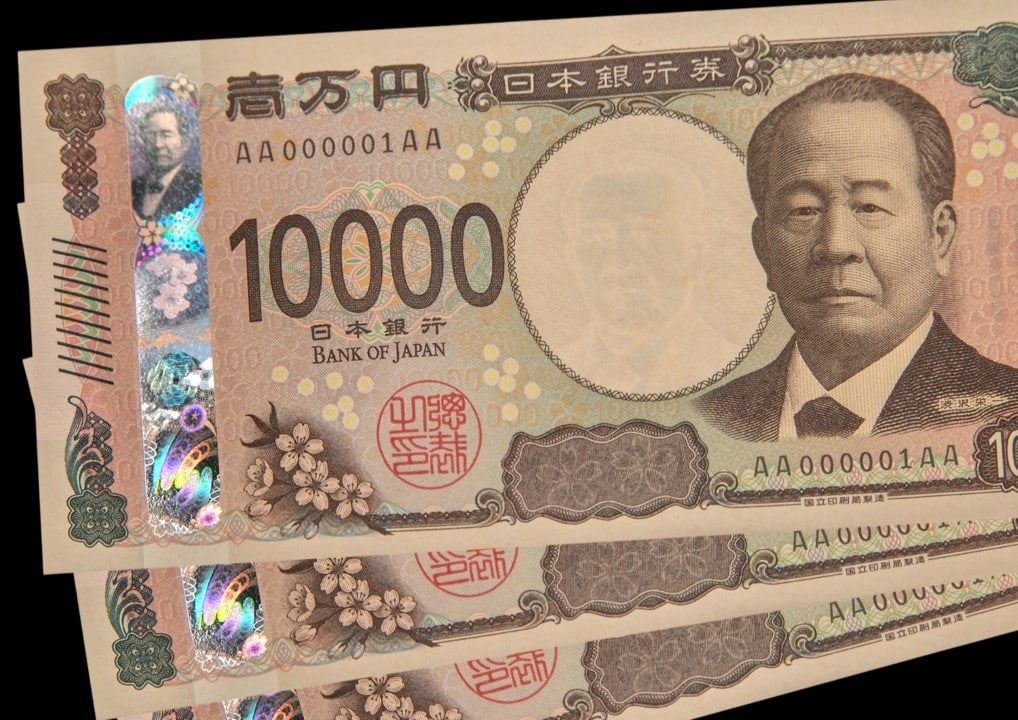
Yuucho Bank, the postal bank of The change comes into force from February 9, 2026. Essa decision follows the movement of large private banks, which have already adjusted their rates to the same level after the recent increase in the policy rate by Banco from
The financial institution justified the measure as a response to the increase in the monetary policy rate decided by Banco from Japão on December 19, which raised the level to 0.75%. Esse adjustment reflects the normalization of Japanese monetary policy, with rates reaching their highest level in 30 years.
Banco of Japão carried out the fourth interest rate hike since the end of the negative rate policy in 2024. The decision aims to sustain the cycle of wage increases and moderate prices in the Japanese economy.
Context of the decision of Banco of Japão
The Banco of the Japão raised the basic interest rate to 0.75% in December 2025.
Central bank officials highlighted that salaries continue to rise moderately. Preços also maintain an upward trend, justifying the continuation of monetary normalization.
- Main factors considered:
- Salary increase sustained in collective negotiations.
- Core inflation above 2% in recent months.
- Reduced external risks for the Japanese economy.
This policy directly affects financial institutions. Bancos need to adjust deposit fees to maintain adequate profit margins.
Movement of large private banks
Large banks such as MUFG, Sumitomo Mitsui, Mizuho and Sumitomo Mitsui Trust announced an increase in the ordinary deposit rate to 0.3%. The application will take place from February 2026, in line with the decision of Yuucho Bank.
This uniformity in rates reflects the market environment after the rise of Banco from Japão. Instituições seek to balance attractiveness for depositors and funding costs.
Private banks led the initial adjustment. Yuucho Bank continued to maintain competitiveness at a national level.
The 0.3% level represents the highest since 1993 for several institutions. Marca a significant change from years of near-zero rates.
Details of the change in Yuucho Bank
The common savings rate goes from 0.2% to 0.3% exactly on February 9, 2026. Clientes with existing balances automatically benefit from the new profitability from that date.
Yuucho Bank indicated that adjustments to fixed-term products such as term deposits will be announced later. The institution monitors the market for future decisions.
This is the first increase since March 2025 for common savings. Reforça the gradual upward trend observed throughout the year.
For depositors, the impact varies depending on the balance. A deposit of 1 million yen generates additional annual income of around 1,000 yen before taxes.
Recent rate adjustment history
Yuucho
In 2024, similar adjustments occurred in September, marking the beginning of the exit from ultra-low rates. The cycle reflects the transition of the Japanese economy to a positive interest rate environment.
Regional banks and other institutions also follow a similar pattern. Mercado of deposits gradually gains attractiveness for savers.
Implications for Japanese depositors
The increase to 0.3% improves the yield on liquid savings. Ainda thus remains below recent inflation, preserving limited purchasing power for conservative applications.
Depositors gain better options for allocating idle resources. Instituições like Yuucho, with a wide network of post offices, facilitate access to these income.
The adjustment signals continuity of monetary normalization. Expectativas point to possible additional increases in 2026, depending on economic data.
Fixed term products may offer higher rates in the future. Yuucho Bank plans specific ads for these items.
Reactions in the financial market
The market reacted positively to the uniformity of rates between institutions. Ações of banks maintained stability, reflecting the predictability of the measures.
Longer term, higher interest rates will pressure margins if loans don’t keep up. Bancos Japanese manage transition with caution.
The decision reinforces confidence in a sustained economic recovery. Salários and internal consumption gain indirect support via a more normalized financial environment.



