
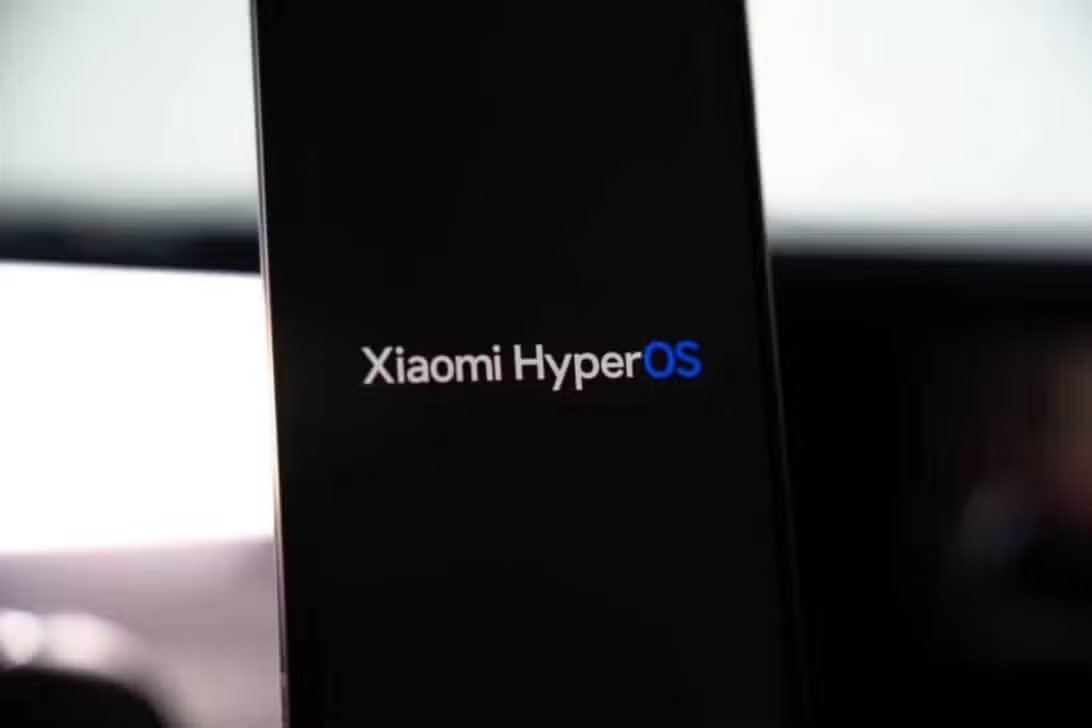
Xiaomi, a Chinese technology giant, is in the advanced process of developing its next-generation operating system, HyperOS 3, with plans to make the long-awaited update available to a wide range of devices. Rumores and internal confirmations indicate that 25 models of the brand should receive the new software in 2025, promising significant improvements in performance and user experience.
Preliminary information, based on data obtained from the company’s internal servers, confirms that several versions of HyperOS 3 have already completed the internal testing and beta validation phases. Este stage of development positions the launch to occur gradually, with official distribution expected to begin in the final months of the current year, reaching millions of users.
Expectations are considerably high among the brand’s users globally, who eagerly await the implementation of the new features and optimizations promised by Xiaomi. The transition to HyperOS 3 represents a strategic step in the company’s strategy to unify its device ecosystem, offering a more fluid, integrated and intelligent experience across all its connected devices.
HyperOS 3 Advanced Status and Release Readiness

HyperOS 3 development has reached a decisive stage, with Xiaomi focusing efforts to ensure a smooth transition for its millions of users globally. Relatórios details indicate that several builds of the new operating system have been marked as “Ready for Release” on the company’s servers. Este status is a clear indication that the software has passed all rigorous validation steps, including stability, performance and security testing.
The finalization of these versions means that the update is now in its stable form and can be distributed to users via the OTA (Over-The-Air) method at any time. The launch process, known for its gradual nature, will be implemented progressively, ensuring that Xiaomi’s global network infrastructure can support the volume of downloads and installations without overload.
Wide range of devices included with the new feature
The extensive list of devices that must be compatible with the update to HyperOS 3 covers a wide selection of products from the Xiaomi, Redmi and POCO lines. Isso destaca o compromisso contínuo da empresa em estender as inovações tecnológicas a diferentes segmentos de mercado, desde modelos premium até opções de entrada e intermediários, visando democratizar o acesso às mais recentes funcionalidades e otimizações do sistema, ampliando seu alcance.
The models currently listed as “ready for distribution” include a diverse series of devices, including not only smartphones of different price and performance categories, but also tablets. Isso significantly expands functionality and interface for an enhanced multimedia and productivity experience. Essa diversity reinforces Xiaomi’s strategic vision to create a cohesive, interconnected technology ecosystem where all its devices operate under a unified software platform optimized for maximum performance.
The priority inclusion of tablets is notable and an important differentiator, as these devices often require specialized attention in software updates due to their larger screens and specific use cases. The optimization of HyperOS 3 for large format screens promises superior use for tasks ranging from productivity at work to the consumption of multimedia content, improving user interaction with hardware and software in an integrated way.
Below is the complete and detailed list of Xiaomi, Redmi and POCO devices expected to receive HyperOS 3 throughout 2025:
- Xiaomi Pad 6
- Xiaomi Pad 6 Pro
- Xiaomi 13T Pro
- Redmi K60 Ultra
- Redmi K60
- POCO F5 Pro
- Redmi 15
- POCO C75
- POCO F6
- POCO X6 Neo
- POCO Pad M1
- POCO M6 Pro 4G
- POCO M7 4G
- POCO M7 Pro 5G
- Redmi 15 4G
- Redmi Note 15
- Redmi Pad Pro
- Redmi Pad 2 Pro
- Redmi Pad 2
- Redmi A4
- Redmi Pad SE 4G
- Redmi Note 13 Pro+
- Redmi Note 13 Pro 4G
- POCO M7 5G
- Redmi 14C / Redmi A3
Variations in the version of the underlying Android
It is important to note that the implementation of HyperOS 3 does not mean that all 25 devices listed will operate on the same base version of Android. Essa strategy allows Xiaomi to optimize the operating system more effectively to the hardware specificities of each model, ensuring the best performance and maximum compatibility possible, crucial for the longevity of the devices.
High-end models with robust hardware, such as the Xiaomi Pad 6 Max 14, the Pad 6 access to the latest features, advanced security enhancements and privacy optimizations offered by Google.
On the other hand, mid-range and entry-level devices are expected to use different versions of Android, depending on their hardware configurations and the Xiaomi update policy for each line. Essa modular approach allows the company to offer HyperOS 3 to a wider audience without compromising stability or performance on devices with more modest specifications or older architectures.
Flexibility at the core of Android is a crucial aspect of Xiaomi’s software strategy, due to the vast diversity of its product portfolio. Tal requirement demands highly adaptive software engineering. Essa methodology prevents older devices or devices with less powerful hardware from suffering from the overload of an operating system primarily designed for newer technologies, ensuring a consistent and optimized user experience.
Expectations and improvements for user experience
The arrival of HyperOS 3 is eagerly awaited by Xiaomi users, who expect a comprehensive package of improvements focused on performance optimization and continuous interface fluidity. The new operating system aims to offer a significantly more intuitive and responsive user experience, characterized by faster response times, smooth screen transitions and improved system resource management, especially in intense multitasking scenarios.
Among the most anticipated improvements are intelligent optimizations in battery management, which should extend the autonomy of devices, and substantial improvements in security and privacy, with new layers of protection for users’ sensitive data. Xiaomi has invested considerably in artificial intelligence to further personalize the user experience, proactively adapting the system to the individual behavior and preferences of each user, making the device truly unique.
The essential role of internal testing and beta phases
The meticulous internal testing process, along with comprehensive beta phases, plays an absolutely essential role in the development cycle and continuous improvement of a complex operating system like HyperOS 3. Before being released to the general public, the software undergoes rigorous and exhaustive evaluations of performance, hardware compatibility and accurate bug detection, carried out by a dedicated team of engineers and a global community of highly engaged beta testers.
Xiaomi’s commitment to its digital ecosystem
The introduction and widespread distribution of HyperOS 3 reinforces Xiaomi’s long-term commitment to building and maintaining a robust, interconnected digital ecosystem. The company aims to go beyond smartphones by integrating smart home devices, wearables and other gadgets, all operating harmoniously under a cohesive, intelligent software platform. Este unified system enables more efficient communication and interaction between devices, offering an unprecedented user experience in convenience and integration.
Xiaomi’s HyperOS strategy is intrinsically designed for the future, anticipating the emerging needs for advanced connectivity, intelligent automation and deep personalization that will characterize the next generation of technology. By consolidating its core software, the brand seeks to not only maximize the individual performance of each device, but also enhance the synergy between them, providing a smarter, more responsive and intuitive technological environment for its consumers that adapts to their lives.
Preparations for global system distribution
With HyperOS 3 versions considered “ready for release”, Xiaomi will begin final preparations for its massive global rollout. Este complex process involves meticulous coordination with mobile operators in different regions, adapting the software for specific local languages and regulations, and scaling servers to handle the massive volume of downloads, ensuring a seamless experience for everyone.
OTA (Over-The-Air) distribution will be carefully scaled, starting with a limited number of users in strategic markets before progressively expanding to a broader user base across the world. Essa cautious approach allows Xiaomi to closely monitor the performance and stability of the update in real time, enabling adjustments and optimizations to be made if necessary. Isso ensures a positive, safe and satisfactory update experience for all users.
Benefits of HyperOS 3 across different device categories
HyperOS 3 will bring specific and distinct benefits to each category of device on which it is implemented. Nos premium smartphones, the main focus will be on maximizing hardware performance, with deep optimizations for advanced graphics processors and next-generation artificial intelligence features, enhancing the experience in complex games and demanding applications.
For Xiaomi tablets, the operating system will be optimized for large-screen use, offering more efficient and intuitive multitasking modes, better support for external keyboards and styluses, and an adapted user interface that facilitates both productivity work and immersive entertainment. Usability will be a key point, with intuitive gestures and shortcuts designed to make the most of the generous screen space, elevating the functionality of these devices.
On entry-level and mid-range devices, HyperOS 3 primarily aims to improve energy efficiency and overall system fluidity, even with more limited hardware resources. Intelligent software optimization can make a substantial difference to the user experience, extending the lifespan and relevance of these devices in the market. Xiaomi seeks to ensure that even users with restricted budgets can enjoy a modern, efficient and pleasant experience.
The importance of backwards compatibility and lifecycle
Xiaomi’s decision to extend the HyperOS 3 update to 25 models, including some that are not the latest, underscores the strategic importance of backwards compatibility and long-term support for its product lifecycle. By providing significant software updates to a broad base of devices, the company not only values its customers’ upfront investment, but also promotes the sustainability and longevity of technology devices.
Keeping older devices updated with the latest software available helps extend their operational usefulness, reducing the need for frequent replacements and contributing to reduced e-waste. Além Furthermore, ongoing security updates are crucial to protecting users against new and emerging cyber vulnerabilities, ensuring the security of personal and financial data, regardless of the age of the hardware.
The extended product lifecycle, driven by these comprehensive upgrade policies, strengthens customer loyalty and the brand’s reputation as a trusted technology provider with comprehensive after-sales support. Isso establishes itself as a significant competitive differentiator in an increasingly saturated market, where software longevity and quality are as important as hardware specifications.
Next steps for users and official announcement
As the gradual rollout of HyperOS 3 quickly approaches, Xiaomi users around the world are advised to stay tuned for official announcements to be issued by the company. Detailed communication on the exact launch dates for each model, as well as an in-depth description of the new features introduced and instructions for installation, will be published on Xiaomi’s official channels.
Regularly checking the device settings in the “Software Update” section will be the primary method of identifying the availability of HyperOS 3 for the device in question. Xiaomi, as usual, generally provides proactive notifications to users as soon as the update is ready and available for their specific models, ensuring that no one misses the opportunity to improve their device.
The gradual rollout is expected to begin before the end of 2025, allowing a large number of users to experience the innovations and optimizations that HyperOS 3 promises to bring later this year. The community eagerly awaits the chance to explore the new tools, redesigned interface, and performance optimizations that the operating system aims to implement to enhance the everyday technology experience.