
Kennedy Center seeks $1m from Chuck Redd after Trump name added to venue sparks cancellation

The Kennedy Center has initiated efforts to recover $1 million from drummer Chuck Redd following his decision to cancel a scheduled Christmas Eve performance. This financial claim stems directly from Redd’s withdrawal after the venue’s board of trustees reportedly voted to include former President Donald Trump’s name in a designated part of the institution.
Redd, a renowned jazz musician, expressed discomfort with the proposed renaming, leading to his abrupt cancellation. His decision highlighted the strong reactions within the artistic community regarding the potential association of the non-profit arts center with political figures. The disagreement quickly escalated into a contractual dispute.
The board’s vote, which involved adding “President Donald J. Trump Presidential Library and Museum” to a section of the center, sparked immediate backlash and prompted several artists to reconsider their engagements. This move ultimately created a challenging environment for performers who wished to remain apolitical or opposed the association.
Financial demand details
The precise details of the $1 million demand remain a subject of discussion between the Kennedy Center and Redd’s representatives. The claim likely covers potential losses from ticket sales, marketing expenses, and reputational damage incurred by the last-minute cancellation. Negotiations are reportedly underway to resolve the dispute outside of court, though progress appears slow.
Leia também: Katy Perry cancels Werchter Boutique festival performance in Belgium due to severe weather alert
Legal experts suggest that such demands often involve complex contractual clauses related to performance agreements and force majeure. Both parties are evaluating the terms of their original contract to determine the validity and scope of the financial compensation being sought by the esteemed cultural institution.
Redd’s artistic stance
Chuck Redd publicly stated that his decision to cancel was rooted in a matter of principle and his personal artistic integrity. He emphasized that artists often strive to maintain a neutral or inclusive environment for their audience, which he felt would be compromised by the political association. Redd’s stance resonated with many within the arts community, sparking broader conversations about the intersection of art, politics, and patronage. This incident underscores a growing trend where artists are increasingly vocal about the values and affiliations of the venues and organizations they collaborate with, choosing to withdraw from engagements that conflict with their ethical or political views. His action served as a significant statement, reflecting the deeply held beliefs of some performers who prioritize their artistic independence and public image over financial obligations in specific controversial contexts.
Board’s renaming vote
The Kennedy Center board’s vote occurred in a closed-door session, with details emerging later through reports. The proposal aimed to honor the former president by associating his name with a specific area of the complex, a common practice for past presidents. This decision, however, proved highly divisive among stakeholders and the public alike.
Many critics argued that the Kennedy Center, as a national performing arts institution, should avoid partisan affiliations to maintain its broad appeal and artistic freedom. The board’s rationale for the renaming initiative focused on tradition and recognizing presidential contributions, but it failed to anticipate the intense negative reaction from certain artistic circles and patrons.
Mais sobre o assunto: Pernambuco state government revokes MC Daniel’s Fernando de Noronha performance for 2025 amid public controversy
The internal discussions leading up to the vote were not widely publicized, contributing to the surprise and swift condemnation once the news broke. This lack of transparency further fueled the controversy, creating a significant public relations challenge for the center.
Performance implications
Redd’s cancellation created a void in the Christmas Eve program, a popular event that typically draws a large audience. The Kennedy Center faced the immediate task of finding a suitable replacement, which proved challenging given the timing and the political nature of the original cancellation. The incident highlighted the fragility of artistic programming when external political factors intervene.
The ripple effects extended beyond Redd’s individual performance. Other artists and groups reportedly reviewed their agreements with the center, expressing concerns about similar future incidents. The situation underscores the delicate balance cultural institutions must maintain to support artistic expression while navigating complex public and political sentiments.
Public and artistic reactions
The news of Redd’s cancellation and the Kennedy Center’s subsequent demand for $1 million ignited a lively debate across social media platforms and traditional media outlets. Public opinion was sharply divided, with some supporting Redd’s principled stand and others criticizing his alleged breach of contract.
Entenda o caso: Rod Stewart faces backlash after attending World Cup match hours after concert cancellation
Numerous artists voiced their solidarity with Redd, highlighting the importance of artistic autonomy and freedom from political pressure. They argued that cultural venues should prioritize their mission of artistic expression above political considerations that could alienate performers and audiences. This collective sentiment demonstrated a significant pushback against what was perceived as political encroachment into the arts.
Conversely, some commentators and patrons expressed disappointment in Redd’s decision, emphasizing the importance of honoring contractual obligations regardless of personal political views. They contended that artists should fulfill their commitments, and disputes over venue naming should not disrupt scheduled performances, especially during holiday seasons.
The controversy prompted discussions about the role of arts institutions in society and their responsibilities to both artists and the public. It questioned whether venues should remain strictly neutral or if they bear a moral obligation to align with certain values, even if it means facing financial and logistical challenges.
Venue’s historical context
The John F. Kennedy Center for the Performing Arts has a long history of honoring American presidents and serving as a cultural beacon. Established as a living memorial to President Kennedy, it has traditionally been seen as a non-partisan space for artistic excellence. This foundational identity was challenged by the proposed renaming, prompting a reevaluation of its core mission.
Future negotiations uncertain
As of early 2025, the resolution of the $1 million claim remains uncertain. Both parties appear entrenched in their positions, making an amicable settlement potentially difficult. The outcome of these negotiations could set a precedent for future artistic engagements at politically sensitive venues.
Mais notícias em Últimas Notícias
Veja mais → Aparelhos domésticos pesam na conta de luz e exigem corte de gastos
 Liberação do seguro-desemprego fixa prazos para pagamento
 Demissão sem justa causa libera seguro de até R$ 2.518,65
 Benefício do trabalhador desempregado tem teto de R$ 2.518,65
 Liberação do adicional de R$ 150 no Bolsa Família exige cadastroVacinação e escola garantem saque do Bolsa Família
 Acompanhar o Bolsa Família no smartphone com NIS e CPF
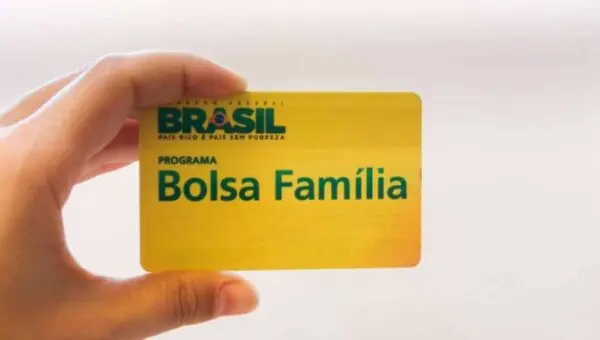 Beneficiários aprendem a movimentar valores do Bolsa Família
 Fundo de Garantia protege renda com reserva mensal
 Trabalhador retira recursos do FGTS diretamente pelo celular
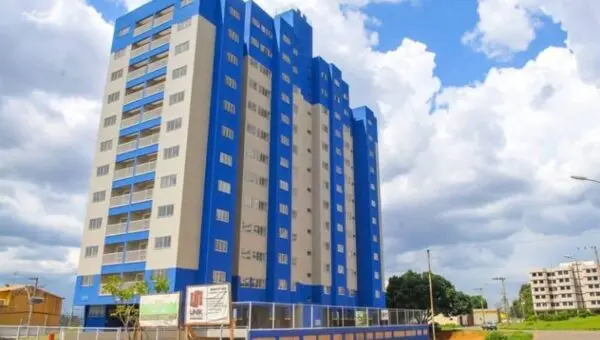 Fundo de garantia banca compra e reduz prestação do imóvel
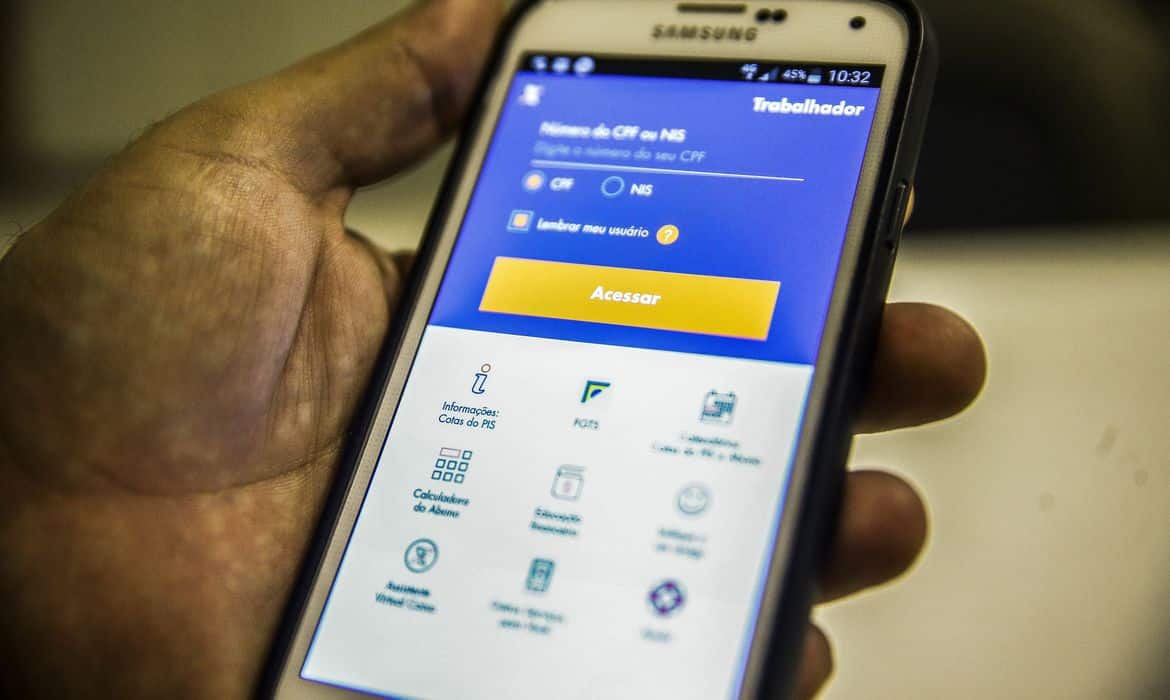 Regras do FGTS definem prazos de depósitos e saques na Caixa
Mais notícias na Mix Vale
- 1Cadastro Único impulsiona acesso a benefícios sociais com novas diretrizes para famílias de baixa renda
- 2Governo federal atualiza regras do Bolsa Família com foco na dignidade social e inclusão
- 3Inteligência artificial adota tom pessoal em contas corporativas
- 4Inteligência artificial adota padrão textual de clientes corporativos
- 5Benefício do PIS e PASEP paga até R$ 1.621 aos trabalhadores
- 6Tire dúvidas sobre abono salarial e cotas do PIS em 2026
- 7Trabalhador pode sacar benefício de até R$ 1.621
- 8Trabalhador localiza inscrição do PIS com CPF em canais oficiais
- 9Diferenças práticas entre PIS, Abono Salarial e Cotas pelo CPF
- 10Cadastros sociais usam numeração idêntica no Brasil