
United States implements new biometrics and inspection rules for green card holders

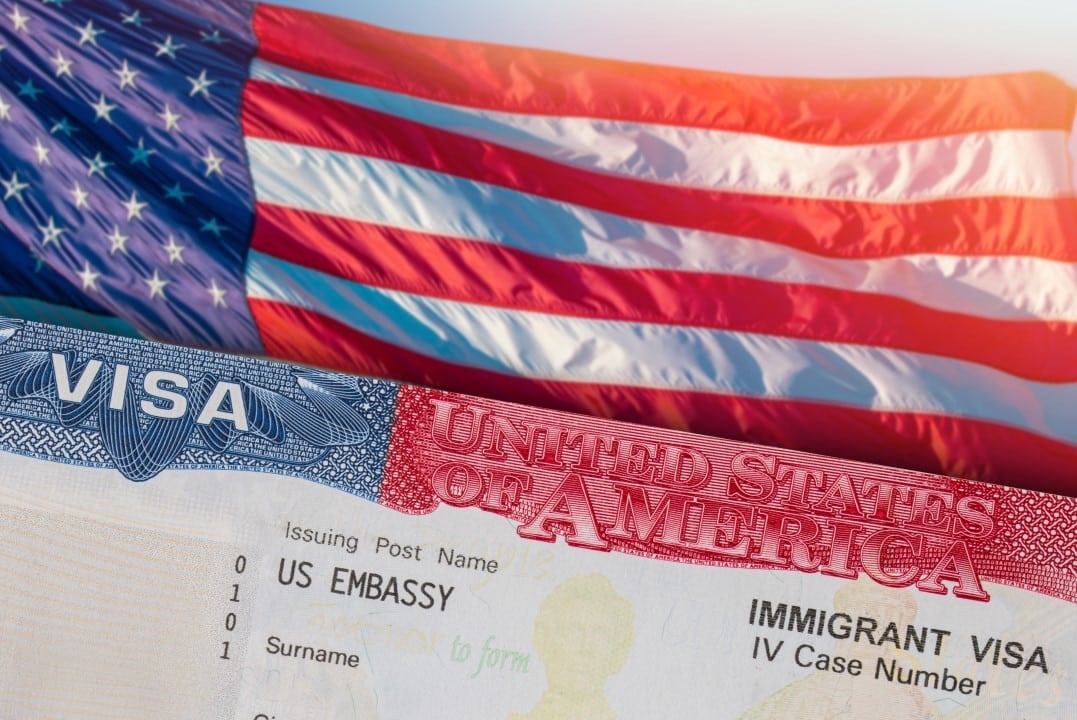
The Departamento of Segurança Interna (DHS) of the The measure aims to modernize border control and strengthen national security through advanced identification technologies.
The new guidelines establish stricter monitoring of international travel, with increased scrutiny for individuals originating from 19 specific countries, considered to be at higher risk by American authorities. The main change is the mandatory collection of biometric data, such as photographs, at all entrances and exits from North American territory, without exceptions.
The government’s goal is to improve the ability to track people who stay in the country beyond the period allowed by their visas (overstays) and ensure compliance with immigration laws. The implementation of the biometric system will be gradual, starting with the country’s main international airports and expanding in the following years.

What changes with the new biometric inspection
From the stipulated date, Alfândega and Proteção of Fronteiras (CBP) will begin collecting photographs of all non-citizens at airports, seaports and land borders. Essa requirement revokes exemptions previously granted to certain categories of travelers, unifying the procedure for everyone, including permanent residents. The system employs advanced facial recognition technology to verify travelers’ identities and record their inbound and outbound movements, creating a more robust and accurate digital history.
In addition to photographs, immigration authorities will have the prerogative to request other biometric identifiers in specific situations that require additional verification. Isso may include fingerprinting or iris scans, especially if there are inconsistencies in the traveler’s documents or history. The measure represents a significant step in the digitalization of border control, aligning the Estados Unidos with security practices already adopted by other countries.
Countries under heightened scrutiny
The United States (USCIS) Serviços of Cidadania and Imigração will begin a more detailed review of green cards issued to citizens of 19 nations. The list includes countries such as Afeganistão, Mianmar, Chade, República from Congo, Burundi, Cuba, Laos, Serra Leoa, Togo, Turcomenistão and
Green card holders originating from these countries will face further scrutiny when traveling abroad and upon returning to Estados Unidos. Durante the inspection process, additional documentation may be requested that proves the maintenance of your residence ties with the country, such as proof of address, employment or family ties.
Immigration experts recommend that permanent residents, especially those from these countries, keep their personal and address records up to date with USCIS. Consultation with an immigration lawyer before planning international travel is strongly advised to assess possible risks and ensure that all necessary documentation is in order to avoid mishaps at the border.
Schedule for system implementation
DHS has outlined an implementation plan that will span a period of three to five years to ensure a smooth transition and full integration of the new technology. The initial phase will be concentrated in the busiest international airports, which already have part of the necessary infrastructure for collecting biometric data.
The system will later be expanded to include all land and sea ports of entry. Essa expansion aims to create a cohesive and comprehensive control network across all of the country’s borders.
The facial recognition technology that will be used is already in operation at many entry points for foreign citizens, but its application will now be universal for non-citizens. The main focus is to combat illegal stay and prevent the use of fraudulent travel documents.
Federal authorities are keen to emphasize that the new measures are not intended to revoke valid green cards. Permanent residents’ right to travel is maintained, but will be subject to these new, more stringent identity verification procedures.
Essential recommendations for permanent residents
In light of the new rules, it is essential that green card holders adopt a proactive stance to ensure that their immigration status remains regular and avoid problems on future trips. The main recommendation is to keep all registration records updated with DHS and USCIS, including changes of address, which must be communicated within the legal deadline. Além Furthermore, it is crucial to closely monitor all official communications sent by these agencies, whether by mail or electronic means. Para individuals originating from the 19 countries listed for heightened scrutiny, consultation with specialized lawyers becomes even more important to assess the risks associated with any planned international travel. It is also advisable to avoid prolonged absences of Estados Unidos, as very long trips may raise questions about the intention to maintain permanent residence in the country. Preparar a folder with documents proving continued ties to the U.S., such as income tax returns, rental or mortgage agreements, and proof of employment, can be a useful preventative measure when returning from a trip.
The technology behind continuous monitoring
The new regulations authorize the government to conduct continuous monitoring of non-citizen travel, using advanced technologies to identify potential violations of immigration laws in real time. The integrated systems will allow biometric data collected at the border to be crossed with various government databases, increasing effectiveness in detecting suspicious activities or inconsistencies.
DHS said it will issue additional guidance in the coming months detailing the specific protocols that will be applied during green card reviews. Essas updates should clarify what additional documents may be required and how affected residents must go about proving their continued eligibility for permanent residency.
Impact on border procedures
Experts in the field warn that the implementation of these changes will likely result in an increase in border processing times, especially during the initial adaptation phase. Travelers should prepare for longer and more detailed inspection procedures at points of entry, and it is advisable to arrive at airports in advance. Adapting to new systems can generate queues and temporary delays until procedures become routine for both agents and travelers.



