Apple confirms greater battery consumption in iOS 26 and explains optimization process on iPhones

Following the official release of iOS 26 on September 15, 2025, a growing number of iPhone users around the world began reporting noticeably higher battery drain. The complaints, disseminated on online forums and social networks, point to a drop in the autonomy of devices shortly after installing the new version of the operating system, generating debates about the energy efficiency of the update.
In response to the concerns, Apple issued an official statement acknowledging the situation. The company clarified that the increase in energy consumption is a temporary and expected effect during the first few days after the update. Segundo the technology giant, the phenomenon is directly linked to an intense optimization process that takes place in the background, necessary to integrate all the new features of the system.
This initial calibration phase is crucial to ensuring stable performance and long-term efficiency of the software. Durante this period, the system performs a series of complex tasks that demand more resources from the processor and, consequently, the battery. The company ensures that, once these processes are completed, the autonomy of the devices should return to normal or even show improvements in some cases.
The initial optimization process explained by Apple
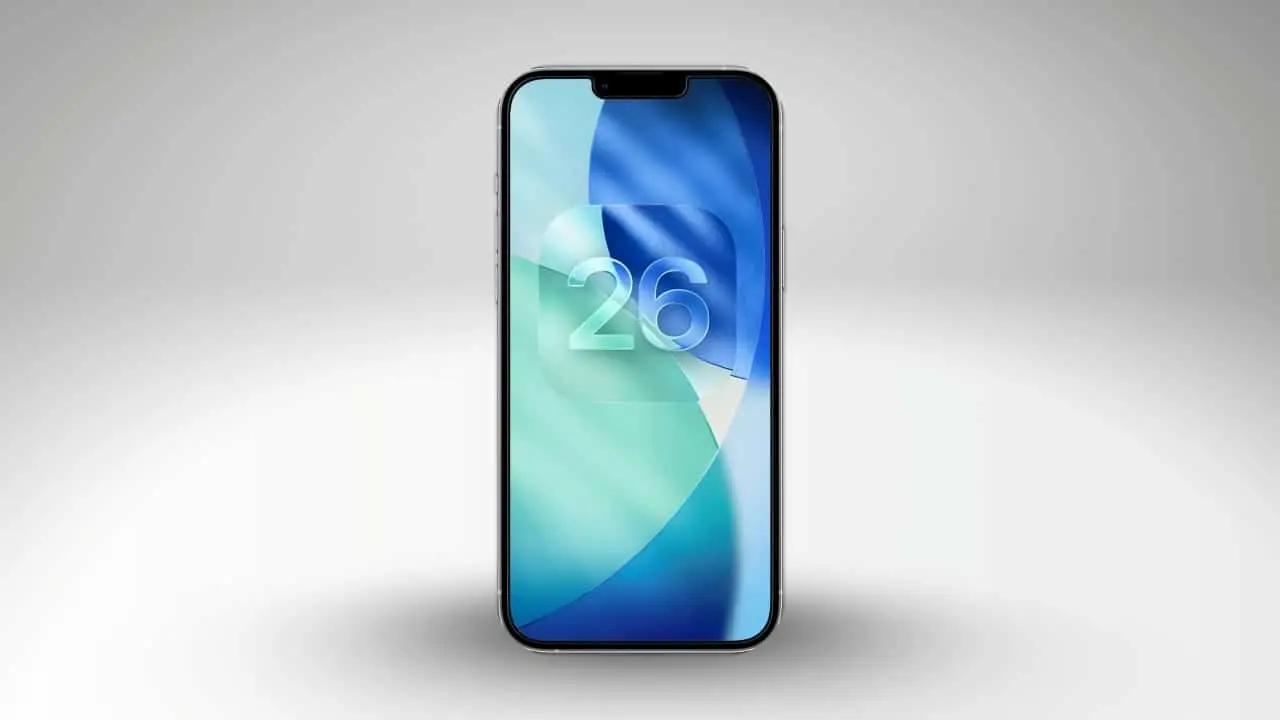
The high battery consumption in the first few days after installing iOS 26 is the result of several simultaneous tasks that the system performs to adapt to the user’s hardware and data. One of the main activities is the reindexing of files and data. Spotlight, the iPhone’s search system, needs to re-catalog all of the device’s content, including photos, messages, emails and applications, so that searches remain fast and accurate.
More on this story: New iOS 18.4 system update causes overheating and drains battery on Apple cell phones
At the same time, the system performs a recalibration of the battery health data. Esse procedure adjusts autonomy estimates based on the new energy demands of iOS 26, ensuring that the battery percentage display is as faithful as possible to reality. Este fine-tuning is essential for device power management.
Applications also undergo optimization. Desenvolvedores update their apps to ensure full compatibility with the new system, and iOS 26 itself can make adjustments in the background so that these apps run more efficiently. Tarefas related to new artificial intelligence functionalities, such as recognizing faces and objects in photos, are also implemented intensively in this initial period.
These operations, which include migrating data to new formats and configuring enhanced security features, are designed to be completed within a few days. Apple claims that while they cause a temporary drain, they are critical to the stability and future performance of the iPhone.
Learn more: Users report rapid battery loss and heating on their iPhone after installing the new iOS 18.4 system
Impact varies between iPhone models
The effect of battery consumption during optimization is not uniform across all iPhone models. Older Aparelhos, like the iPhone 11 and its variants, tend to feel the impact more sharply. Seus processors, although still capable, need to work harder to perform the tasks required by iOS 26, resulting in higher energy consumption for a potentially longer period.
In contrast, newer models, equipped with more advanced chips such as the A17 processor or higher, manage these optimization tasks much more efficiently. The architecture of these processors allows indexing and other background operations to complete more quickly, often in less than 24 hours, minimizing the period of intense battery consumption.
Apple designs its software to extract maximum performance from its latest hardware, which explains this difference. Enquanto new iPhones complete the adaptation almost imperceptibly for the user, older models may take a few days to completely stabilize, a factor that owners of these devices must consider after updating.
See Also



Apple Intelligence: the main consumer of resources
The Apple artificial intelligence suite, called Apple Intelligence, is one of the biggest new features of iOS 26 and also one of the main responsible for additional resource consumption. Integrada deep into the system, this technology powers a wide range of functionality, from enhancements in Siri to writing and image editing tools. Implementing these features requires significant processing power, especially during initial setup when the system personalizes AI models based on user data, a process that occurs entirely on the device to ensure privacy. Funções like creating custom Genmojis, intelligently organizing photos in the Imagens app, and new predictive writing and summarizing tools in apps like Mail and Notas rely on complex algorithms that run continuously. Além Furthermore, integration with ChatGPT for more complex queries, even if optional, adds another layer of processing. Essas operations, although optimized for efficiency, represent a constant workload for the processor, directly impacting battery life until the system learns the individual’s usage patterns and optimizes resource allocation.
New features in native applications and their energy costs
In addition to Apple Intelligence, several native apps received significant updates in iOS 26 that also contribute to power consumption. The Fotos app, for example, now uses more sophisticated algorithms to organize memories and recognize people, pets and objects with greater accuracy. Esse The process of reanalyzing the user’s entire photo library is one of the most intensive tasks performed after the update.
On the same topic: IPhone users report rapid battery drop and overheating after installing iOS 18.4
Apple Music introduced “AutoMix”, an AI-based function that creates smooth transitions between songs, similar to a DJ. Para Therefore, the application needs to analyze the tracks and prepare the mixes, an activity that consumes resources. Da Similarly, the Mapas app now offers detailed topographic maps and improved offline routes, which require downloading and processing large volumes of data.
Recommendations for users during the adaptation phase
To minimize inconvenience during the iOS 26 optimization period, Apple and technology experts suggest some practices. It is recommended to perform the update overnight, with the iPhone connected to the charger and to a stable Wi-Fi network. Isso allows the system to perform the most demanding tasks without draining the battery during daily use.
Keeping the device connected to power whenever possible in the first few days can also speed up the process. Patience is key, as optimization is an automatic process that will resolve itself. Evitar Using high-power applications, such as graphics-advanced games or video editing, can help preserve battery power while the system stabilizes.
Which devices are compatible with iOS 26
The iOS 26 update is available for a wide range of devices, starting with the iPhone 11.
More on this story: Simple iPhone System Tweaks Reduce Excessive Battery Drain After Recent Updates
However, feature availability may vary. Hardware compatibility is a determining factor for the user experience, especially when it comes to the most demanding features from a processing point of view.
Exclusive features for the new iPhones
It is important to note that, although iOS 26 is compatible with older models, the full feature set of the Apple Intelligence is exclusive to iPhones equipped with the latest processors, such as the iPhone 16. The Apple justifies this limitation by the high neural processing demands of these features, which can only be met by the most modern hardware. Para access these tools, users can navigate to > and download the corresponding software update.