Blood moon and total solar eclipse highlight 2026 astronomical calendar

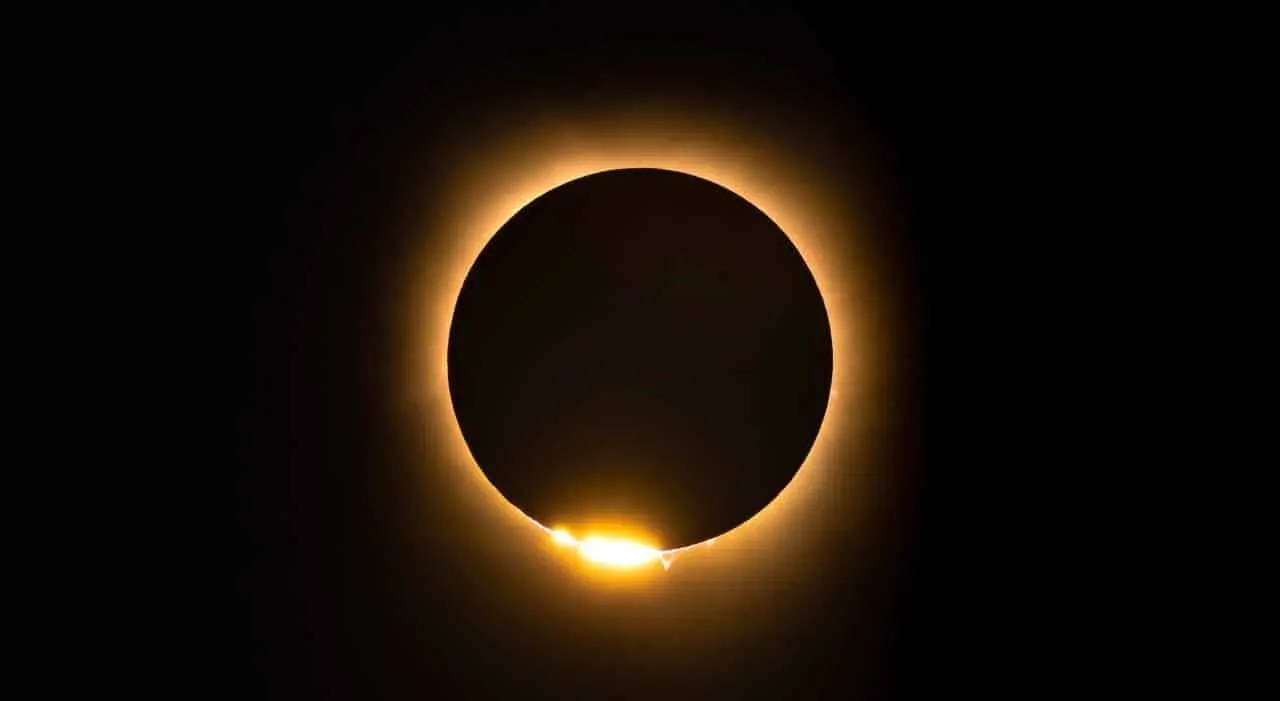
The year 2026 will feature two solar and two lunar eclipses. The first will be an annular solar eclipse on February 17th, followed by a total lunar eclipse on March 3rd.
A total solar eclipse will occur on August 12, visible in specific regions of Europa. The cycle ends with a partial lunar eclipse on August 28th.
These phenomena attract sky observers in different parts of the world.
- February’s annular eclipse will cover 96% of Sol for up to 2 minutes and 20 seconds.
- Lunar totality in March will last 58 minutes.
- The total solar eclipse in August will reach a maximum duration of up to 2 minutes and 18 seconds.
Annular eclipse begins sequence
The annular solar eclipse on February 17, 2026 will form a “ring of fire” around Lua.
Full visibility will be restricted to areas remote from Antártida.
More on this story: Blood moon delights observers in the Americas, Asia and Oceania in total eclipse
Southern regions of África and América of Sul will be able to observe partial phases of the phenomenon.
Blood Moon in March
The total lunar eclipse on March 3, 2026 will dye Lua red for 58 minutes.
The best observation will occur west of América from Norte, Austrália, Nova Zelândia, Ásia Oriental and Pacífico.
This event represents the last total lunar eclipse until 2029.
Parts of Ásia, Austrália and Américas will have full visibility.
The Lua will pass through the shadow of the Terra, creating the characteristic reddish tone.
Observers in cities like Sydney and Los Angeles will be able to follow the phenomenon with the naked eye.
Total solar eclipse crosses Europa
The August 12, 2026 total solar eclipse will pass through eastern Groenlândia, western Islândia and northern Espanha.
See Also



Maximum totality will reach 2 minutes and 18 seconds near Islândia.
Learn more: Blood Moon March 3, 2026: Total Eclipse Visible in North America and Australia
This will be the first total solar eclipse on the continental Europa since 1999.
- The band of totality will include areas of Espanha such as Bilbao and Zaragoza.
- Mainland Portugal will only see a deep partial eclipse.
- Parts of Europa Ocidental will record a significant partial eclipse.
- The phenomenon will occur in the late afternoon in local European times.
Partial lunar eclipse ends the year
The partial lunar eclipse on August 28, 2026 will cover 96% of the surface of Lua.
There will be no phase of totality, but the edge of the Earth’s shadow will provide impressive viewing.
Visibility will encompass Américas, Europa, África and western Ásia.
Lua will have a reddish tone on a large part of its surface.
Series of eclipses continue in the following years
The sequence of intense events will continue after 2026.
A total solar eclipse on August 2, 2027 will offer up to 6 minutes and 22 seconds of totality at Egito.
On the same topic: Eclipses 2026: total lunar eclipses in March and partial lunar eclipses in August visible in Brazil
Another total eclipse will occur on July 22, 2028 at Austrália and Nova Zelândia.
Annular eclipses complement the series in 2027 and 2028.
These phenomena highlight rare period of eclipse activity in the 21st century.