
Lunar calendar 2026: Discover phases of the Moon, supermoons and eclipses of the year

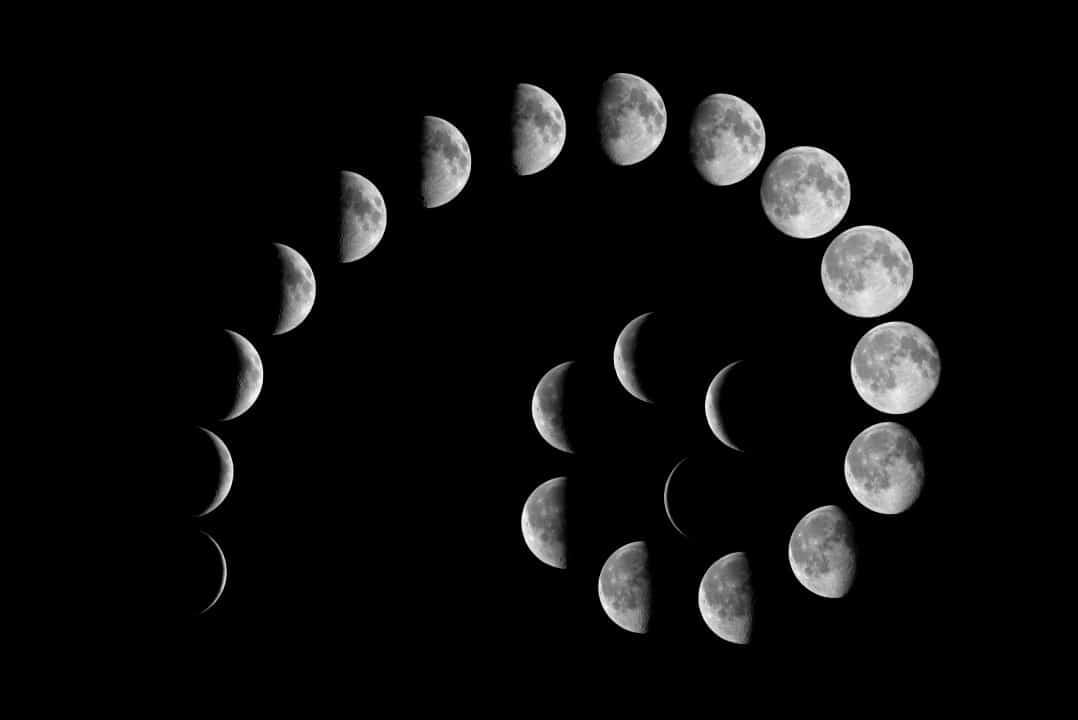
Lunar calendar 2026 presents all phases of Lua organized by month. The year records four supermoons and four eclipses. Esses events include exact dates and corresponding zodiac signs.
Lunar phases occur in regular cycles. Elas influence astronomical observations and activity planning.
- Moon Nova: marks the beginning of cycles.
- Moon Crescente: favors growth.
- Moon Cheia: reaches peak visibility.
- Lua Minguante: indicates closure.
Supermoons happen when Lua is closest to Terra.
Key Events in the Sky of 2026
The year 2026 has four supermoons. Três of them coincide with Luas Novas in May, June and July. The fourth takes place on the Lua Cheia of November.
Four eclipses are distributed throughout the period. Solar and two lunar Dois mark moments of special alignment.
These phenomena attract the attention of observers. Eles offer opportunities for recording celestial images.

Phases of Lua and their meanings
Each lunar phase lasts approximately seven days. Lua moves through signs every two or three days.
Moon Nova favors planning new stages. Lua Crescente supports the development of initiatives. Lua Cheia provides maximum illumination. Lua Minguante encourages review and rest.
Signs add specific characteristics. For example, Lua in Touro brings stability. Lua in Gêmeos stimulates communication.
Supermoon dates in 2026
Supermoons stand out for their proximity to Terra.
- May: Lua Nova on Touro.
- June: Lua Nova on Gêmeos.
- July: Lua Nova in Câncer.
- November: Lua Cheia on Gêmeos.
These dates allow observation of the larger and brighter Lua.
Eclipses predicted for the year
2026 records four eclipses.
Annular solar Eclipse occurs in February. Total lunar Eclipse takes place in March. Eclipse solar total marks August. Partial lunar eclipse also closes the cycle in August.
These events vary in visibility by region. Eles represent precise alignments between Sol, Lua, and Terra.

Summary month-by-month calendar
January starts with Lua Cheia in Câncer. Fevereiro brings Lua Nova into Aquário with solar eclipse. Março records Lua Cheia in Virgem with lunar eclipse.
April and May have regular phases. Junho includes new supermoon. Julho repeats the phenomenon. Agosto concentrates two eclipses.
September to December follow normal cycles. Novembro highlights super full moon.
How to track lunar phases
Observing the phases requires clear skies. Aplicativos and websites provide exact times. Horários consider local time zone.
Lunar changes occur at predictable intervals. Elas serve as a reference for daily activities.
The 2026 lunar calendar offers a complete tool for celestial tracking.
Main observable phenomena
Supermoons increase brightness by up to 30%. Eclipses require eye protection for sunbathing.
- Observe Lua Cheia in dark areas.
- Record eclipses with appropriate equipment.
- Consult local forecasts for visibility.
- Plan night photography sessions.
These events connect observers to the natural cycle.
The year provides multiple opportunities to appreciate the night sky.



