

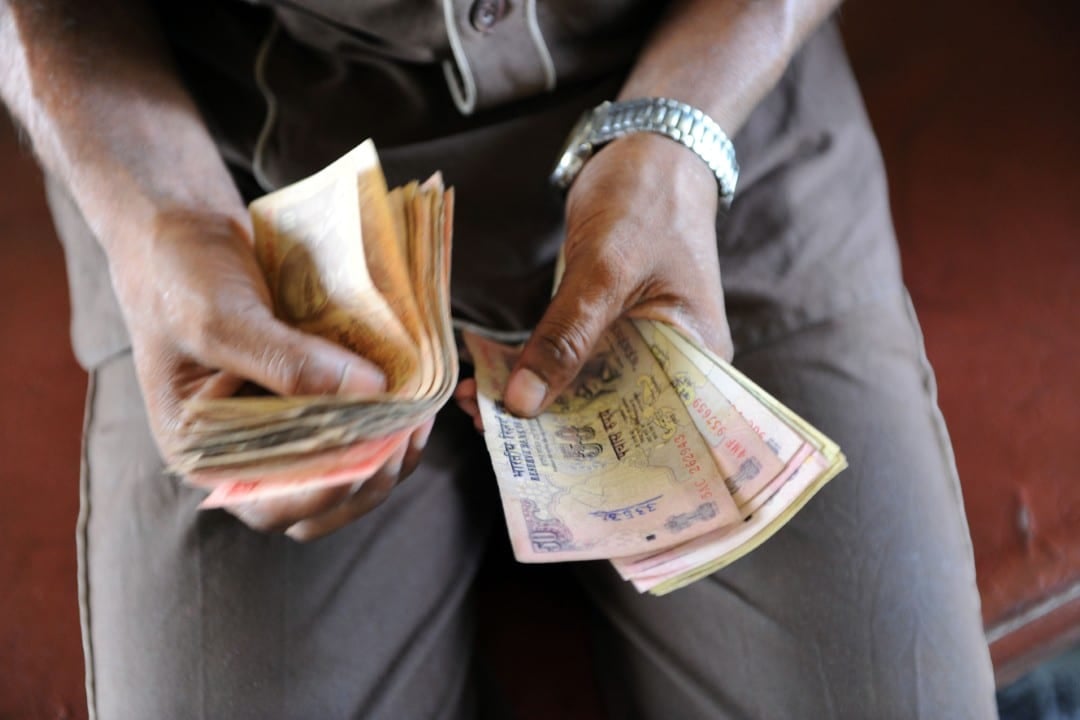
The Indian government confirmed the continuity of monthly social pension payments until December 2025, ensuring the transfer of resources to millions of citizens in vulnerable situations. The measure, part of the Programa Nacional of Assistência Social (NSAP), is essential to guarantee the livelihood of the elderly, widows and people with disabilities across the country.
Deposits will be made directly into beneficiaries’ bank accounts via electronic transfer, a system that aims to increase transparency and reduce delays. Essa rede de proteção social é especialmente vital para famílias de baixa renda, que dependem dos valores para cobrir despesas essenciais como alimentação, moradia e cuidados com a saúde.
The program structure combines a contribution from the central government with financial supplements offered by several states. Essa mixed approach allows the final value of the benefit to be adapted to the cost of living in each region, providing more effective support aligned with local needs.
Details of main assistance programs
Programa Nacional of Assistência Social (NSAP) is the pillar of non-contributory security in Índia, covering different schemes targeted at specific groups. The main one is Indira Gandhi National Old Age Pension Scheme, aimed at citizens aged 60 or over, which offers a base value of Rs. 200 to Rs. 500, depending on the age group. Outro crucial component is Indira Gandhi National Widow Pension Scheme, which supports widows aged between 40 and 79 who live below the poverty line. Complementando the protection network, Indira Gandhi National Disability Pension Scheme serves people aged 18 and over with severe disabilities, guaranteeing a monthly allowance to help cover their needs. Todos schemes require applicants to belong to families classified as BPL (Below Poverty Line), with verification being carried out through official documents such as the Aadhaar card and income certificates issued by competent authorities.
Eligibility criteria for benefits in 2025
To access benefits in 2025, candidates must meet strict criteria focused on income and social vulnerability. The main requirement is that the applicant belongs to a family that lives below the poverty line as defined by government guidelines and does not receive another pension from government sources.
In the case of an old-age pension, you must be 60 years of age or older. Eligibility is confirmed using identification documents that prove age, such as a birth certificate or Aadhaar card.
For aid intended for people with disabilities, the main criterion is proof of severe disability, generally above 80%, attested by an official medical report. Viúvas between 40 and 79 years old can also request the specific benefit, as long as they prove their marital status and economic vulnerability.
The application process is usually conducted at district social welfare offices or panchayats (village local governments). Basic documentation includes proof of identity, age, residence and income, with the Aadhaar card being a central document for verification and bank linking.
Value structure and state complements
Amounts paid under NSAP are made up of a federal share and, in many cases, an additional contribution from state governments. Para December 2025, the central government contribution remains fixed at Rs. 200 per month for seniors aged 60 to 79 and increases to Rs. 500 for those aged 80 and above. Essa financial base is essential to establish a social protection floor throughout the national territory, guaranteeing minimum support to all those eligible.
The big difference in the final amount received by beneficiaries comes from state supplements. Estados with greater fiscal capacity or more robust social policies, such as Delhi, Kerala and Haryana, add significant amounts, raising the monthly total to Rs. 2,500 or more. Essa Flexibility allows local administrations to adjust the benefit to regional economic realities, making the aid more impactful where the cost of living is higher and strengthening the safety net for those most in need.
How the registration and receipt process works
The first step to apply for pension is to go to your local gram panchayat or district social welfare office to get the application form. In many states, these forms are also available for download on official government portals, facilitating access to information.
After submitting the completed form and the necessary documentation, a verification process begins that can take up to 60 days. Durante During this period, authorities validate income, age and residence information to confirm the candidate’s eligibility.
Once approved, the beneficiary is included in the payment system, which operates mostly for Transferência Bancária Direta (DBT). Linking the bank account to the Aadhaar card is strongly encouraged, as it speeds up the crediting of amounts and eliminates the need for intermediaries, ensuring that the money reaches those who need it in full.
Additional social security programs
In addition to the non-contributory NSAP pensions, the Indian government offers other programs to expand social security coverage. Atal Pension Yojana (APY), for example, is a contributory pension scheme aimed at workers in the informal sector, allowing citizens aged 18 to 40 to contribute to secure a fixed pension of Rs. 1,000 to Rs. 5,000 after age 60.
To protect against unforeseen events, there are low-cost insurance schemes, such as Pradhan Mantri Jeevan Jyoti Bima Yojana (PMJJBY), which offers life insurance, and Pradhan Mantri Suraksha Bima Yojana (PMSBY), which covers death or disability due to accident. Esses programs complement pensions, offering an extra layer of financial security for families.
Maintenance and updating of registration
To ensure continued receipt of benefits without interruptions, beneficiaries must keep their registration up to date with local authorities. Updating crucial information, such as home address and bank account details, is essential to avoid payment failures. Qualquer change must be reported immediately to the responsible social welfare office. Além In addition, many states require an annual life verification, a simple procedure in which the pensioner proves that they are still alive, preventing fraud and ensuring that public resources are correctly allocated to those eligible.
Guarantee of continuity of payments in December
Payments scheduled for December 2025 will follow the regular schedule, with no delays or significant changes expected. Transfers are processed at the beginning of the month, ensuring that recipients have access to funds for their year-end expenses.
This regularity is a pillar of the country’s social assistance policy, reinforcing the government’s commitment to protecting the most vulnerable citizens. The predictability of payments allows millions of families to plan their budgets with greater security and dignity.



