
Volkswagen advances in the automotive market and competes for leadership with Fiat through Polo, T-Cross and Tera

The Volkswagen solidified its presence in the national automotive market throughout 2025, intensifying the competition for leadership with the Fiat. The German automaker’s strategy, based on the robust performance of its best-selling models, redefines the industry landscape and attracts the attention of consumers and industry experts.
With a portfolio of vehicles increasingly aligned with the demands of Brazilian drivers, the brand has demonstrated its capacity for innovation and adaptation. Essa strategic approach significantly boosted its share of overall automobile sales.
The competition for the top intensifies, with Fiat, historically dominant, facing a competitor that has invested heavily in technology, design and the expansion of its product line, promising a competitive year for both automakers.
The sales scenario in the sector

The car market in 2025 is showing notable effervescence, with the Volkswagen gaining considerable ground in the most sought-after segments. Sales of brand new vehicles reflect a growing preference for models that combine efficiency, safety and connectivity, pillars of the German automaker’s current offering.
This advance is the result of a series of factors, including effective marketing campaigns, attractive financing conditions and the perceived value of the products. The positive response from the public demonstrates renewed confidence in the quality and innovation that Volkswagen has delivered to the market.
German brand strategy
Volkswagen has invested massively in modular platforms and in the electrification of part of its fleet, aiming not only to acquire new customers, but also to retain existing ones through an improved driving experience. The focus on driver assistance technologies and advanced infotainment systems positions the brand as a reference in innovation. Além In addition, the optimization of the supply chain and the modernization of production lines in the country guarantee a constant and competitive offer, crucial aspects to sustain the pace of sales and face the challenges imposed by the economy and fierce competition, with a focus on models that stand out for their versatility and adaptation to the different needs of urban and highway consumers.
The rise of the Polo and T-Cross
The success of the Polo and the T-Cross is one of the pillars of the rise of the Volkswagen. The Polo, in its various versions, remains one of the best-selling hatchbacks, valued for its performance and fuel economy, essential attributes for everyday life and routine in large cities.
The T-Cross has established itself as one of the public’s favorite compact SUVs. Sua’s combination of interior space, modern design and advanced technological features has made it a popular choice in one of the hottest segments of the market, attracting families and young people.
Both models have demonstrated resilience in sales, exceeding expectations and contributing significantly to the overall volume of Volkswagen in the country, which reinforces the company’s strategy of focusing on vehicles that meet the expectations of different customer profiles, from those seeking economy to those who prioritize comfort and onboard technology.
The role of the new model Tera
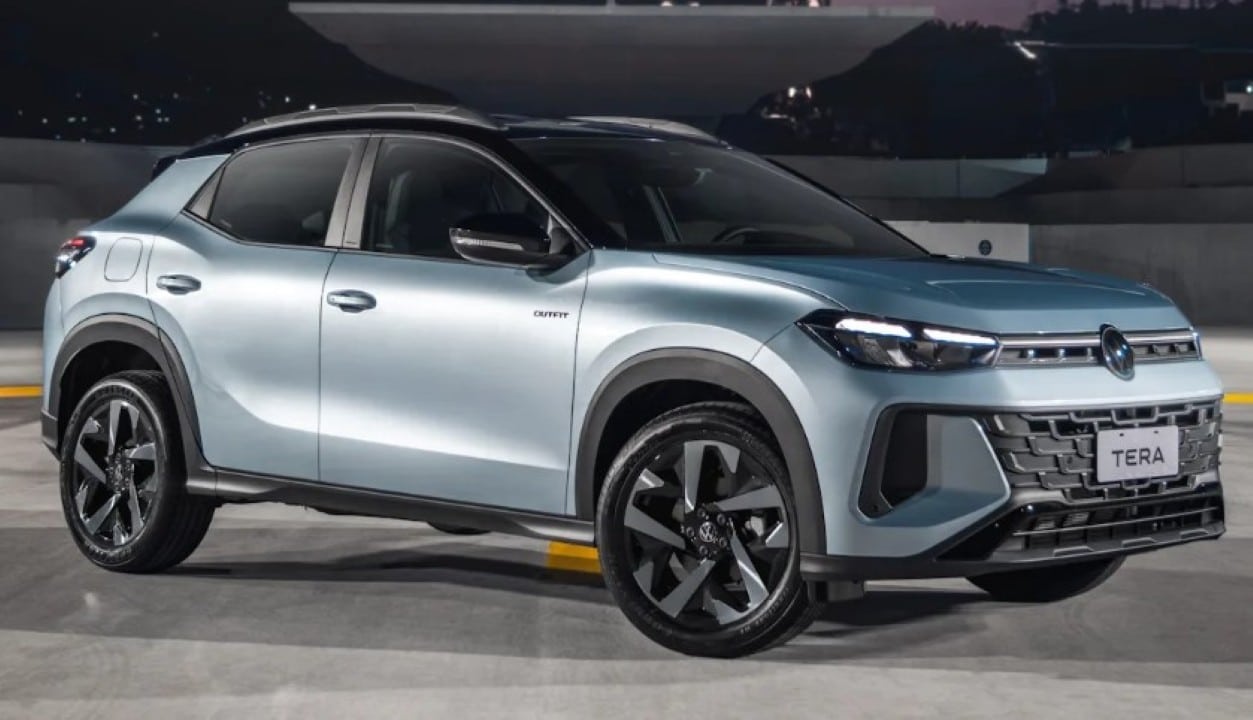
One of Volkswagen’s biggest bets to maintain its growth trajectory in 2025 is the Tera model, which has been strategically positioned to complement the success of Polo and T-Cross. The Tera arrives with the promise of innovating in its segment, offering features that differentiate it from direct competitors, such as a bold design and exclusive features.
The expectation is that the Tera will meet a specific market demand, filling a gap and attracting a new consumer profile to the brand, possibly those looking for a vehicle with greater sporting appeal or cutting-edge technology. Seu launch and performance are crucial to further consolidate Volkswagen’s presence on the national scene and challenge models already established by other automakers.
The dynamics of competition
The dispute between Volkswagen and Fiat goes beyond mere competition for sales numbers. Ela reflects market trends, pricing strategies and the ability of each automaker to anticipate and respond to changes in consumer preferences, who are increasingly demanding and informed about the options available.
Fiat, in turn, does not remain static, responding with its own launches and model updates, seeking to maintain its loyal customer base and conquer new spaces. Healthy rivalry drives innovation across the automotive sector, with constant improvements in design, powertrain and safety.
This competitive dynamic directly benefits the consumer, who has access to a wider range of options, with increasingly more equipped and efficient vehicles. Promotions and special purchasing conditions become more frequent in such a competitive scenario, stimulating sales and public interest.
The fight for leadership in the Brazilian automotive market is intense and constant, with both companies investing considerable resources in research and development. The next demonstrations of strength in the sales ranking will be closely monitored, indicating the sector’s direction for the coming months and outlining the future market champions.
Perspectives for the consumer
The intensification of the dispute between large automakers promises a period of opportunities for consumers. The trend is for brands to continue investing in product improvements and favorable commercial conditions, such as more accessible financing and integrated service packages, raising the quality standard and the purchasing experience.



