
Volkswagen postpones basic version of ID.Polo due to lack of LFP batteries in 2026


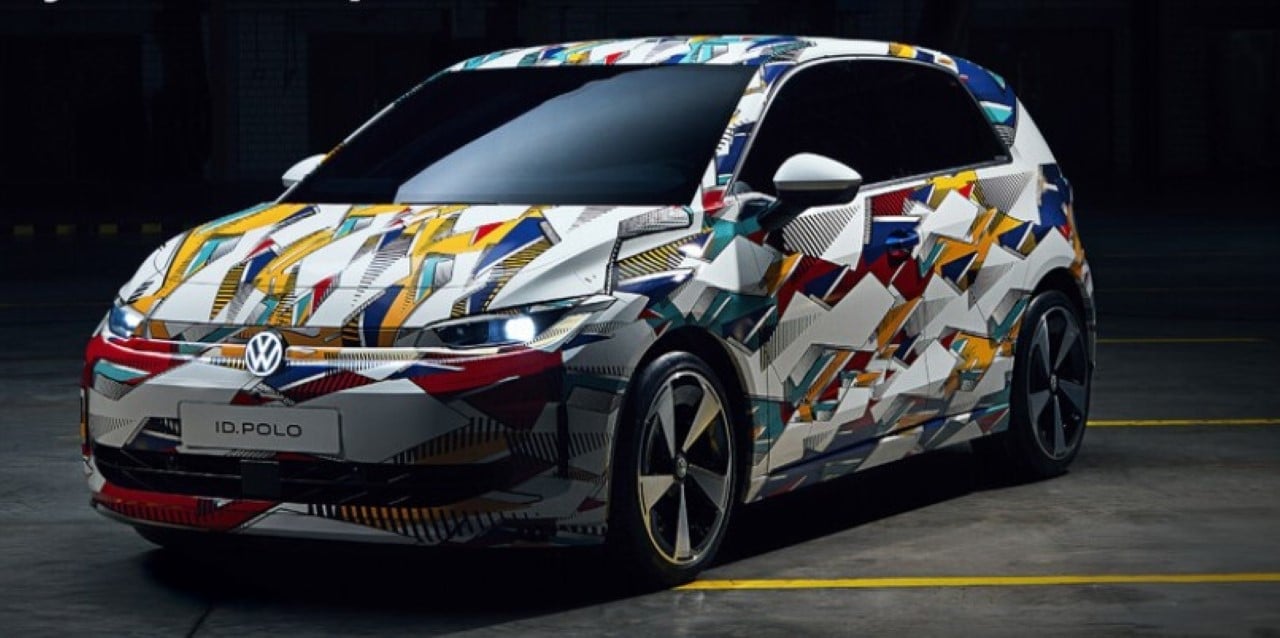
Volkswagen plans to start sales of the ID.Polo in spring 2026. However, the entry-level version, expected to cost around 25 thousand euros, is expected to be delayed due to restrictions on the supply of LFP batteries. The first units available focus on configurations above 30 thousand euros.
Dealer information indicates that deliveries of the base model may not occur until the third quarter of 2026 or later. The main reason lies in the difficulty in ensuring sufficient volume of LFP cells for scale production.
This strategy allows the brand to start sales with options equipped with batteries with different chemistry, which are easier to obtain at the moment.
Technical specifications of the model
The ID.Polo uses the MEB+ platform with front-wheel drive.
The model offers varied power options.
- 85 kW (116 hp) engine
- 99 kW (135 hp) engine
- 155 kW (211 hp) engine
A GTI version with 166 kW (226 hp) arrives later in the year.
The entry-level versions have a useful 37 kWh LFP battery, compatible with DC charging up to 90 kW.
These configurations project a range of up to 300 km in the WLTP cycle.
Differences between batteries
The most powerful variants employ a useful 52 kWh NMC battery.
This option provides a range of up to 450 km WLTP.
Fast charging reaches 130 kW direct current.
Cell-to-pack technology integrates cells directly into the pack, reducing weight and costs.
Volkswagen developed the APP 290 engine in-house, with a maximum torque of 290 Nm.
Launch strategy
The brand takes a common approach during periods of supply constraints.
Prioritizes higher margin configurations and stable supply chain.
LFP batteries, which are more economical, depend on an external supplier.
NMC are aligned with the group’s internal production.
This escalation preserves the promised entry price in the long term.
The stabilization of logistics should allow the model to be accessible in greater volume.
Power and autonomy options
The ID.Polo features three initial power levels.
Batteries vary depending on the version chosen.
- LFP for inputs: focus on reduced cost
- NMC for Superiors: Emphasis on Greater Reach
AC charging reaches 11 kW across all variants.
Production takes place at the factory at Martorell, Espanha.
The model represents the first in a family of affordable compact electric vehicles.
Charging Details
LFP batteries support up to 90 kW in DC.
NMCs reach 130 kW.
The time from 10% to 80% varies from 23 to 27 minutes depending on the chemistry.
The Volkswagen highlights efficiency with its own pulse inverter.
This component reduces losses and contributes to price positioning.
Platform and production
MEB+ evolves the previous basis with a focus on costs.
The ID.Polo offers greater internal space than the current Thermal Pole.
The 2600 mm wheelbase benefits rear passengers.
The trunk reaches competitive volumes in the segment.
The brand plans six new electric cars in 2026.
ID.Polo begins this offensive in the European market.
The Volkswagen maintains the goal of accessible electric mobility. The release prioritizes mid-range and higher versions due to temporary limitations in the supply of LFP batteries. The €25,000 version remains planned, with a later arrival when the supply chain stabilizes. The model combines efficiency, space and power options for the compact electric segment.



