
Poco F7 faces the Poco X7 Pro in a duel of giants focusing on performance, screen and battery


Poco, a sub-brand of Xiaomi known for its value-for-money smartphones, is preparing to launch two of its most anticipated models for 2025: the Poco F7 and the Poco X7 Pro. Ambos the devices promise to shake up the market by offering cutting-edge specifications, but they are positioned in slightly different segments, generating a debate about which device delivers the best proposal for each type of consumer.
While the Poco F7 arrives with the promise of performance close to that of a high-end, equipped with the powerful Snapdragon 8s Gen 4 processor, the Poco The rivalry extends to other crucial components, such as screen quality, battery capacity and charging speed, making the choice a detailed analysis of priorities.
This detailed comparison explores the main differences between the two models, from design and construction to gaming performance and autonomy in daily use. Analyzing the camera sets and the expected price range for each will help you define which of the Poco releases best fits your needs and budget for next year.

Screen design and quality
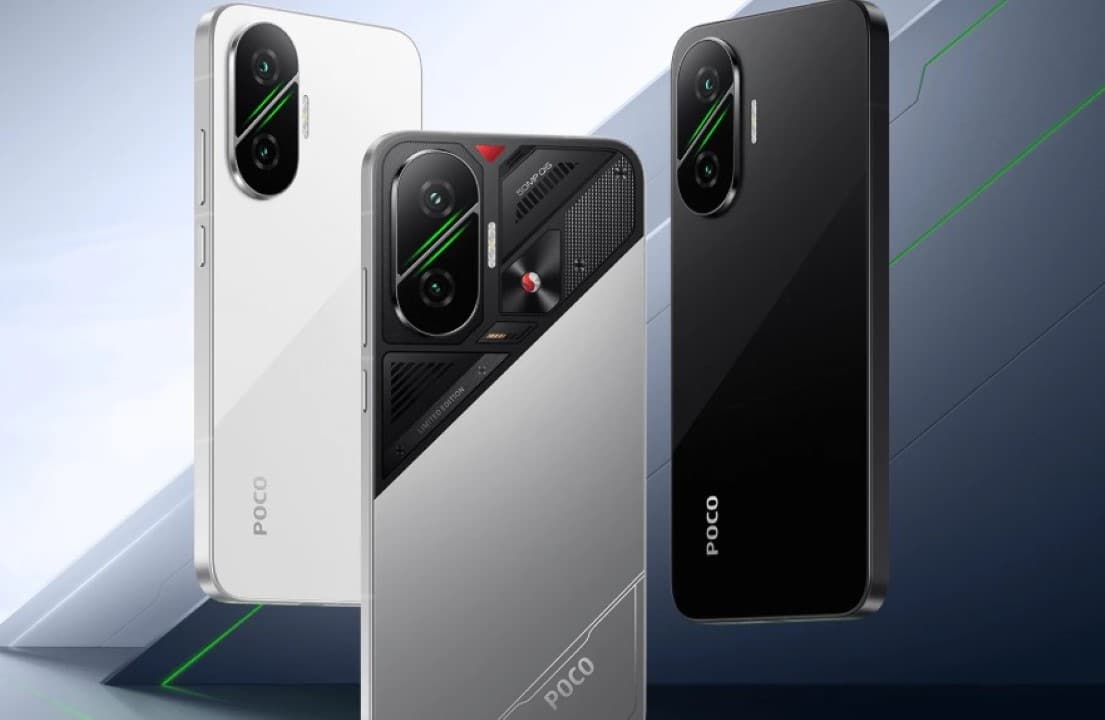
In terms of design, the Poco F7 and the Poco X7 Pro follow different philosophies to attract their audiences. The Poco F7 adopts a more premium construction, combining an aluminum finish on the sides with high-resistance glass on the rear, which gives it a more sophisticated and robust touch. On the other hand, the Poco X7 Ambos the models are IP68 certified, ensuring resistance against dust and immersion in water, an important differentiator in the category. Ergonomics have also been considered, with the F7 having slightly curved edges for a more comfortable grip, while the X7 Pro offers a flatter and more modern design. The arrangement of the cameras on the rear also differentiates them, with the F7 featuring a more discreet module and the X7 Pro a more striking and characteristic design of the Poco line.
Performance comparison: Snapdragon vs MediaTek
The heart of any smartphone is its processor, and here lies one of the biggest differences between the two models. The Poco F7 is powered by the Snapdragon 8s Gen 4 chipset, a platform designed to deliver elite performance, ideal for heavy gaming and intensive multitasking. Testes benchmarks, such as AnTuTu, indicate that this device can exceed the 2 million points mark, guaranteeing maximum fluidity in any application.
On the other hand, the Poco X7 Pro comes with the MediaTek Dimensity 8400 In tests, it approaches 1.7 million points in AnTuTu, which puts it in a prominent position in the intermediate-premium segment.
Both devices offer LPDDR5X RAM and UFS 4.0 storage options, the fastest technologies currently available. Isso means that no matter what you choose, the speed of opening apps and transferring files will be excellent, but the F7 has a slight advantage in tasks that require maximum raw processing power.
Battery life and charging speed
Battery life is a deciding factor for many consumers, and the Poco F7 stands out with a generous 6,500 mAh unit. Essa capacity, combined with the energy efficiency of its processor, promises to guarantee up to two days of moderate use without the need for recharging. Testes Preliminaries indicate that the device can support more than eight hours of screen time in continuous use.
The Poco X7 Pro isn’t far behind, with a 6,000 mAh battery that also offers excellent durability. Seu big asset, however, is the 90W fast charging support. Essa technology allows the smartphone to go from 0 to 100% in less than an hour, a significant convenience for those who have a busy routine and cannot wait long with their cell phone plugged in.
Camera array analysis
In the photographic department, both smartphones use a 50 MP main sensor, capable of capturing images with high resolution and a good level of detail in ideal lighting conditions. Acompanhando the main sensor, both models have an 8 MP ultrawide lens, useful for capturing landscapes or group photos. The front camera for selfies is 20 MP on both devices, ensuring quality self-portraits.
The main difference in photography hardware is in the third lens. The Poco X7 Pro includes a 2 MP macro sensor, which has limited usefulness and generally delivers only average results. The Poco F7, in turn, invests in a higher quality sensor, possibly a short-range telephoto or a more advanced depth sensor, which gives it greater photographic versatility.
Image processing via software will also be an important differentiator. Espera The Poco F7, with its more powerful chipset, is expected to offer superior image optimizations, especially in low-light scenarios and portrait mode, resulting in photos with better dynamic range and lower noise.
Both devices are capable of recording videos in 4K resolution, but the F7 should offer better image stabilization and more software features, such as cinematic shooting modes, taking advantage of the extra power of its processor to enhance video capture.
Additional Software and Features
Both the Poco F7 and the X7 Pro will leave the factory running the HyperOS operating system, the new Xiaomi interface based on the Android 15. The Xiaomi has invested in artificial intelligence resources, which should improve everything from organizing photos in the gallery to optimizing battery consumption, learning from the owner’s usage patterns to maximize the device’s energy efficiency.
In terms of connectivity, both devices are complete, offering support for 5G networks, Wi-Fi 6, Bluetooth of the latest generation and NFC for contactless payments. The presence of an infrared emitter, a classic feature of the brand, is also confirmed, allowing the smartphone to be used as a universal remote control. The Poco update policy guarantees a few years of new system versions and security patches, but the F7, as a higher category model, may be supported for a slightly longer period.
Price and market positioning
Poco’s pricing strategy is aggressive and clearly defines the audience for each model. The Poco X7 Pro should be launched with an estimated value of around R$1,900, positioning itself as one of the most attractive options for those looking for solid performance without spending a lot. The Já or Poco F7 has an expected starting price of approximately R$2,700, targeting consumers who want an experience close to that of a high-end, especially in games and processing power, but at a more affordable cost than traditional flagships.



