
Retirements and social benefits in Japan have values confirmed for the end of 2025; see who has the right

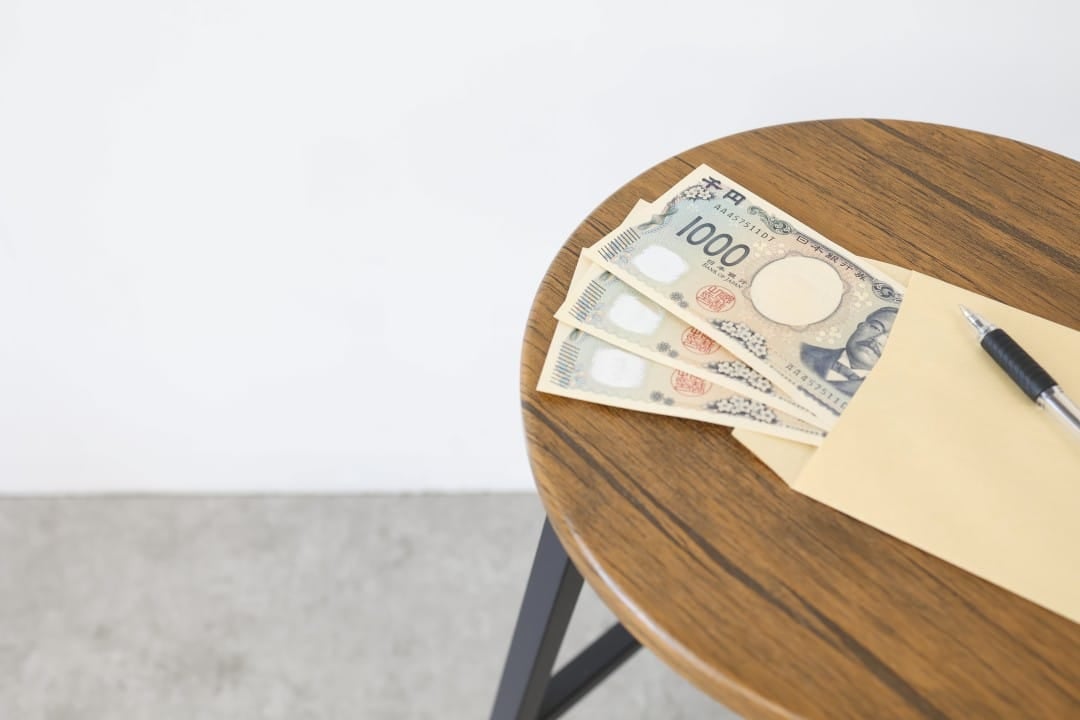
The Japão government confirmed the amounts and schedule of pension and social benefit payments for the last two months of 2025, with deposits scheduled for mid-December. The country’s pension system, managed by Japan Pension Service, guarantees continued financial support for millions of elderly people, people with disabilities and dependents who meet contribution requirements.
Payments are made bimonthly, always in even-numbered months, directly into the beneficiaries’ bank account. Para To access the full age benefit, you must be at least 65 years old and have a contribution period of at least 10 years, a rule that also applies to foreigners with long-term or permanent residence status in the country.
The Japanese pension structure is based on mandatory contributions from all residents aged between 20 and 59, regardless of nationality. Este model seeks to ensure a financial safety net and promote social stability, especially in the face of an aging population, one of the country’s main demographic challenges.
Details of the Japanese pension system
The Japão pension system is structured around two main pillars to ensure broad coverage. The first is Plano Nacional of Pensão (Kokumin Nenkin), which works as a basic and compulsory benefit for all residents, including self-employed people, students and the unemployed. The monthly contribution to this plan has been set at 17,510 yen for fiscal year 2025, an amount that is adjusted periodically to reflect the country’s economic conditions. Este fundamental plan covers old-age, disability and survivor pensions, forming the basis of social security.
The second pillar is Seguro of Pensão of Empregados (Kosei Nenkin), aimed at private sector workers and public servants. Neste case, contributions are calculated as a percentage of the worker’s salary and divided equally between the employee and the employer. Este complementary system adds an extra value to the basic benefit of Kokumin Nenkin, resulting in a more robust retirement for those who worked with a formal contract. The final value of the benefit varies depending on the length of contribution and the average salary throughout the individual’s professional life.
Eligibility requirements to receive the pension
To qualify for the basic age pension, the central requirement is to have accumulated a minimum of 10 years of contributions to the system. Anteriormente, the required period was 25 years, but a recent reform reduced the period to expand access to benefits and reduce the number of elderly people without social security coverage.
Foreigners residing in Japão are fully integrated into the system and have the same rights and duties as Japanese citizens. Aqueles with permanent or long-term residence status are required to contribute and, upon meeting the requirements, can request retirement in the same way.
Japão maintains social security agreements with several countries, including Brasil. Esses agreements allow the contribution time in both systems to be added to reach the minimum period of 10 years. Isso means that a Brazilian who worked part of his life in Japão and another in Brasil can combine the periods to qualify for the Japanese pension.
In addition, Japanese citizens living abroad and people who have not reached the minimum contribution time when they reach the age of 60 can choose to make voluntary contributions. Essa modality allows you to continue paying into the system until age 65 to complete the necessary period or increase the final value of the benefit.
Updated values for fiscal year 2025
For fiscal year 2025, the basic age pension amount for those who have contributed for 40 years has been set at approximately 831,700 yen annually. Esse amount serves as a maximum reference, with the amount received being proportional to each individual’s contribution time, as long as the minimum of 10 years is reached.
Benefit values are reviewed annually by the government to preserve retirees’ purchasing power. The adjustment calculation takes into account important economic indicators, such as the national inflation rate and the average variation in salaries, ensuring that pensions keep up with the cost of living in the country.
In addition to retirement due to age, the system provides for other types of financial support. The disability pension is granted to people who acquire a grade 1 or 2 disability, while the survivors’ pension is intended for spouses or dependent children of a deceased taxpayer, ensuring support in adverse situations.
Disability and survivor pensions
The Japanese social security system offers robust protection for disability and family loss, with specific amounts set for 2025. Disability pension (Shogai Nenkin) is paid to taxpayers who develop a health condition that severely limits their ability to work. The benefit is classified into two levels: level 1, for more serious cases, grants an annual amount of 1,039,625 yen, while level 2 offers 831,700 yen, the same amount as the basic full-age pension. Além In addition, there are additions for dependents, such as children, which increases financial support for the family. Eligibility for this pension does not depend on age, but rather on proof of medical condition through an official assessment during the contribution period.
Procedures for requesting and receiving
The process to enter retirement begins when the taxpayer approaches eligibility age, generally 65 years old. The request must be made at one of the local offices of Japan Pension Service or at the service desk of the city hall in the municipality of residence. It is necessary to present identification documents, the pension booklet (nenkin techo) and bank information.
To ensure that payments occur without interruption, it is essential that beneficiaries keep their registration data, especially their address and bank account, always updated with the social security body. Deposits are automatic and occur on fixed dates in the months of February, April, June, August, October and December, facilitating financial planning for retirees.
Options for foreigners leaving the country
Foreigners who have contributed to the Japanese pension system for a minimum period of six months, but who leave Japão before qualifying for retirement, are entitled to apply for “Lump-sum Withdrawal Payment”. Trata a partial refund of contributions made, which can be requested up to two years after leaving the country. The reimbursement amount varies depending on contribution time and average salary, serving as compensation for the period in which the worker was linked to the Japanese social security system.
Exemption and postponement mechanisms
Recognizing that not all residents can afford social security contributions on an ongoing basis, the Japanese system offers flexibility mechanisms. Pessoas with low income, students and the unemployed can request exemption (menjo) or postponement (yuyo) of monthly payments. The request must be made annually at the local city hall and, if approved, the exemption period is counted towards the minimum eligibility period of 10 years.
However, it is important to note that full exemption periods result in a lower benefit calculation in the future, corresponding to only a fraction of what a fully paid period would be. Para mitigate this reduction, taxpayers can, within 10 years, make retroactive payments relating to the months in which they obtained the exemption, thus recovering the full value of the benefit corresponding to that period.



