
Poco’s duel of giants: F7 and X7 Pro compete for preference with a focus on camera and performance


Poco, a sub-brand of Xiaomi known for its smartphones focused on cost-benefit and high performance, moves the market once again with the launch of two promising new models: the Poco F7 and the Poco X7 Pro. Ambos the devices arrive with the proposal of delivering a premium experience, but are aimed at slightly different user profiles, fighting a direct battle for consumer preference who seeks power and advanced features.
While the Poco F7 positions itself as a device focused on maximum performance, ideal for gamers and users who demand speed in multitasking, the Poco X7 Pro seeks a refined balance between performance, energy efficiency and a more versatile set of cameras. Essa distinction, although subtle in some aspects, is fundamental to understanding which of the two best fits each person’s needs.
This detailed analysis will explore the main differences and similarities between the two cell phones, covering everything from design and screen quality to processing power, battery life and photographic capacity. The choice between the F7 and the X7 Pro will depend on what the user values most in a high-end smartphone.

Screen and construction: the details that make the difference
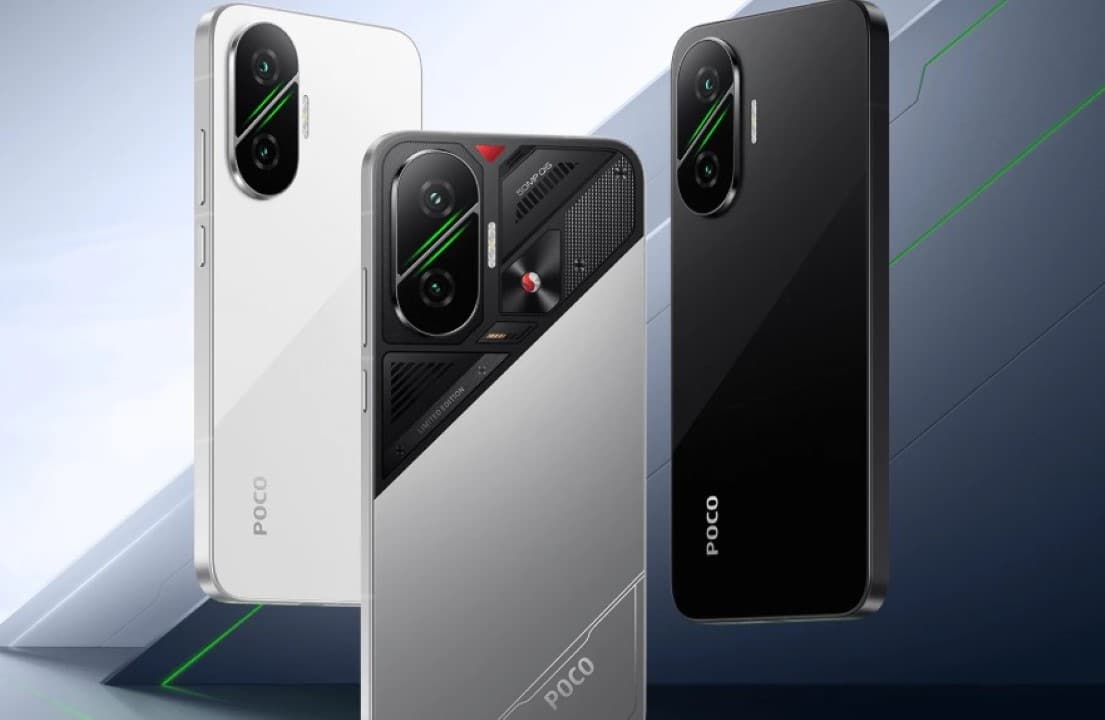
In terms of design, both the Poco F7 and the X7 Pro follow the brand’s modern visual identity, but with different approaches. The F7 opts for a more sober and elegant look, with a high-resistance glass finish on the rear and aluminum frames, conveying a feeling of robustness. Sua ergonomics were designed for long sessions of use, with slightly curved edges that make it easier to hold. The color palette includes options such as black, white and a more discreet blue, targeting an audience that appreciates a minimalist design without giving up sophistication.
On the other hand, the Poco X7 Pro features a bolder and more youthful design, with a camera module that stands out and more vibrant color options, such as the traditional yellow of the Ele focuses on a lighter and thinner body, using high-quality composite materials to ensure durability without compromising comfort. Ambos devices share a 6.67-inch AMOLED screen with 1.5K resolution and 120Hz refresh rate, ensuring sharp images, vibrant colors and exceptional fluidity in games and browsing. The main difference is the peak brightness, with the F7 reaching a slightly higher level, which makes it ideal for use in direct sunlight.
The engine behind it all: Snapdragon vs MediaTek
The heart of any smartphone is its processor, and this is where one of the biggest differences between the two models lies. The Poco F7 comes equipped with the powerful Snapdragon 8s Gen 3 chipset, a cutting-edge platform that delivers raw performance for the most demanding tasks. Este processor is ideal for running games with maximum graphics and ensuring a choking-free multitasking experience.
In synthetic benchmark tests, such as AnTuTu, the F7 surpasses the 1.8 million points mark, a result that places it among the fastest devices on the market. Essa performance is complemented by an advanced vapor cooling system, which ensures the device maintains stability even under continuous stress.
The Poco X7 Pro relies on the MediaTek Dimensity 9200+ chipset, a solution that, although extremely powerful, focuses on a greater balance with energy efficiency. Ele isn’t far behind its rival in terms of speed, reaching around 1.5 million points on AnTuTu, which is more than enough for the vast majority of users and gamers.
The advantage of the Dimensity 9200+ is its optimized energy management, which contributes to greater battery life in daily use. The choice between the two comes down to priority: absolute maximum performance with the F7 or cutting-edge performance with greater efficiency in the X7 Pro.
Energy that never runs out: battery and charging speed
Battery life is a decisive factor for many consumers. The Poco F7 stands out with a 5500 mAh unit, a generous capacity that, combined with the efficiency of its processor, promises up to two days of moderate use on a single charge. Para intense users, the device can support a whole day of games, videos and browsing without difficulties.
To complement this large capacity, the F7 supports 90W fast charging. Essa technology allows the battery to go from 0 to 100% in approximately 35 minutes, an impressive time that minimizes the period in which the user is tethered to the socket.
The Poco X7 Pro, in turn, comes with a 5100 mAh battery, slightly smaller, but which makes up for it with software optimization and the efficiency of the MediaTek chip. The big difference of this model is its ultra-fast 120W charging. With this power, the smartphone can be fully charged in less than 25 minutes, an immense convenience for those who have a busy routine and need quick recharges throughout the day.
Photographic set under analysis
When it comes to photography, both models feature competent camera systems, led by a 50 MP main sensor with optical image stabilization (OIS), which guarantees sharp photos and stable videos even in low light conditions. The quality of the images captured by the main sensor is excellent in both, with true-to-life colors, good dynamic range and a high level of detail. Acompanhando the main sensor, there is an 8 MP ultrawide lens, useful for recording wide landscapes or group photos. The 20MP front camera is also shared between the two, delivering high-quality selfies. The main difference in photographic hardware is in the third sensor: the X7 Pro includes a 2 MP macro lens for photos of very close objects, while the F7 opts for a depth sensor, which helps in portrait mode to create a more natural and accurate background blur. Image processing, influenced by different chipsets, also generates different results. The F7’s Snapdragon tends to produce images with slightly more saturated colors and greater contrast, while the X7’s MediaTek Pro seeks a more natural and balanced result.
Additional Software and Features
Both the Poco F7 and X7 Pro run the Xiaomi HyperOS interface, based on the Android 14.
The Xiaomi guarantees a solid update schedule for both devices, promising three major updates from the Android and four years of security patches, ensuring the devices’ longevity and protection.
Market positioning and values
The Poco X7 Pro hits the market with an estimated starting price of R$2,500, positioning itself as an extremely competitive option for those looking for a balanced device with ultra-fast charging. Já the Poco F7, with its focus on raw performance, has a suggested price of R$3,200, targeting the gaming public and technology enthusiasts who do not give up the maximum power available.
The verdict for the consumer
The choice between the Poco F7 and the Poco X7 Pro depends fundamentally on the individual priorities of each user. Ambos are excellent smartphones that deliver much more than their prices suggest, consolidating Poco’s reputation in the premium intermediary market.
If you are looking for maximum performance for heavy games, value a larger capacity battery and prefer a more sober design, the Poco F7 is the right choice. However, if your priority is the convenience of extremely fast charging, a bolder design and powerful, efficient performance for everyday life, the Poco X7 Pro presents itself as the most balanced and intelligent option.



