
Poco’s war of the titans: F7 and X7 Pro compete in performance, camera and battery life


Poco, a sub-brand of Xiaomi known for its excellent value for money smartphones, is preparing to launch two of its most anticipated models: the Poco F7 and the Poco X7 Pro. The devices promise to shake up the premium intermediary market, but with different proposals to attract different consumer profiles. Ambos the devices seek to deliver cutting-edge specifications at a competitive price, intensifying the competition in one of the most popular segments in the sector.
While the Poco F7 arrives with the promise of performance close to that of a high-end, equipped with a high-performance Snapdragon processor, the Poco X7 Pro bets on a more balanced set, focusing on offering a complete experience with a competent MediaTek chipset. The rivalry extends to other crucial components, such as screen quality, battery capacity and charging speed, making the choice a detailed analysis of priorities.
In this detailed comparison, the main differences between the two models are analyzed, from design and construction to gaming performance and autonomy in daily use. Analyzing the camera sets and the expected price range for each will help you determine which of the Poco releases best aligns with your needs and budget for the coming year.

Screen design and quality
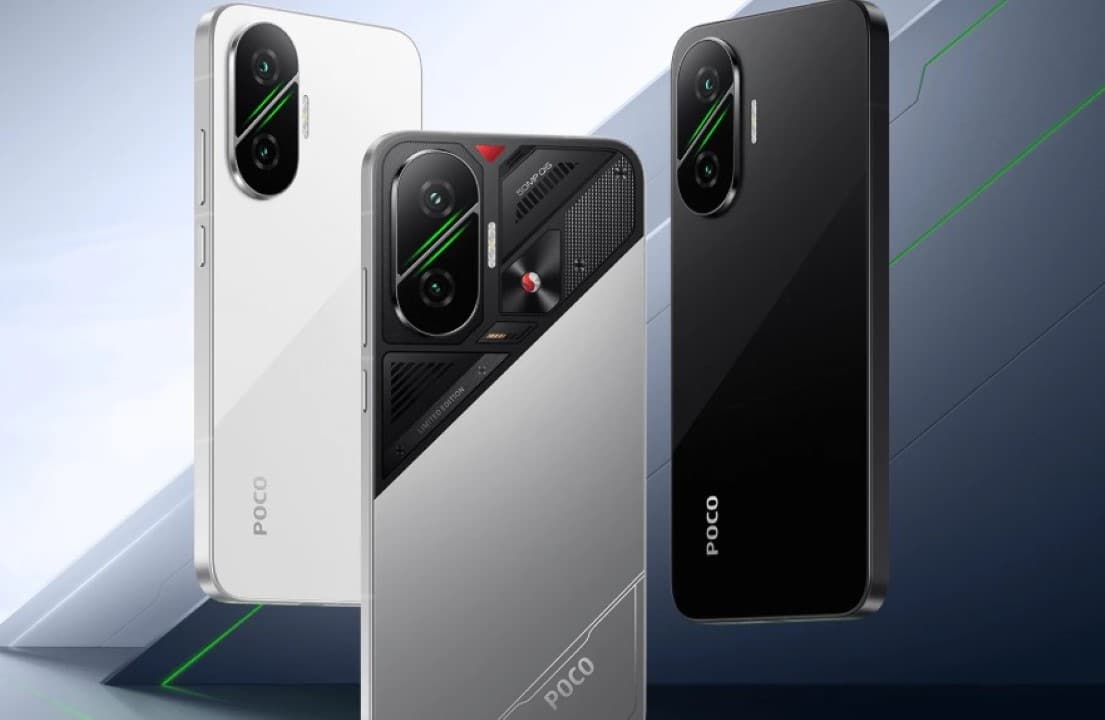
When it comes to design, the Poco F7 and the Poco X7 Pro follow different philosophies to attract their audience. The Poco F7 adopts a more premium construction, combining an aluminum finish on the sides with high-resistance glass on the rear, giving it a more sophisticated and robust appearance. Ergonomics was also considered, with slightly curved edges for a more comfortable grip, even though it is a device focused on performance. Já o Poco X7 Seu design focuses on straighter and more modern lines, following the characteristic visual identity of the Poco line.
Both models are IP68 certified, guaranteeing resistance against dust and immersion in water, an important differentiator in this category. The arrangement of the rear cameras also distinguishes them: the F7 features a more discreet and elegant module, while the X7 Pro displays a more striking design in line with the brand’s gamer aesthetic. The quality of the front panel, however, is a point of convergence, with both devices using 6.67-inch AMOLED screens, 1.5K resolution and 120Hz refresh rate, promising vibrant colors, deep blacks and extremely fluid navigation. The difference may lie in maximum brightness, with the F7 possibly reaching higher peaks for better viewing in direct sunlight, a detail that positions it a step above in visual refinement.
Performance comparison: Snapdragon against MediaTek
The heart of any smartphone is its processor, and here lies one of the biggest differences between the two models. The Poco F7 is equipped with the Snapdragon 8s Gen 3 chipset, a platform that offers top-notch performance, ideal for heavy games and intensive multitasking.
Benchmark tests indicate that this device can surpass the 1.8 million points mark in AnTuTu, ensuring maximum fluidity in any application. Isso makes it the perfect choice for users who don’t compromise on raw performance and want a stutter-free experience.
On the other hand, the Poco X7 Pro is powered by the MediaTek Dimensity 9200+ processor, which, although it does not reach the same peaks as the
In tests, it approaches 1.5 million points in AnTuTu, which puts it in a prominent position in the intermediate-premium segment, running games and applications with agility and optimized energy efficiency.
Autonomy and charging speed
Battery life is a deciding factor for many consumers, and the Poco F7 stands out with an impressive 5500 mAh capacity. Essa capacity, combined with the energy efficiency of the processor, promises to guarantee up to two days of moderate use without the need for recharging.
Preliminary tests show that the device can support more than eight hours of active screen time in continuous use, an excellent number for those who spend the day away from an outlet. 90W fast charging ensures that the tank is filled quickly.
The Poco X7 Pro, in turn, is not far behind: its 5100 mAh battery also provides excellent longevity. However, its biggest asset is its support for 120W fast charging. Essa technology allows the smartphone to go from 0 to 100% in less than 25 minutes, a significant convenience for those who have a busy routine and cannot wait long with their cell phone plugged into the wall.
Camera array analysis
In terms of photography, both smartphones use a 50 MP main sensor, capable of capturing images with high resolution and a good level of detail in ideal lighting conditions. Acompanhando the main sensor, both models are equipped with an 8 MP ultrawide lens, useful for landscape or group photos. The front camera for selfies has a resolution of 20 MP on both devices, which allows you to take quality self-portraits. The main distinction in the photographic hardware is in the third sensor. The Poco X7 Pro is equipped with a 2 MP macro sensor, which has limited usefulness and generally produces average results. Já o Poco F7 invests in a higher quality sensor, possibly a short-range telephoto or a more advanced depth sensor, which gives it greater photographic versatility. Image processing via software will also be an important differentiator. Espera The Poco F7, with its more powerful chipset, offers superior image optimization, especially in low light conditions and in portrait mode, resulting in photos with better dynamic range and lower noise levels.
Additional Software and Features
Both the Poco F7 and the X7 Pro will ship from the factory running the HyperOS operating system, the new Xiaomi interface based on the
Xiaomi invested in artificial intelligence resources that promise to improve everything from organizing photos in the gallery to optimizing battery consumption, learning from the owner’s usage patterns to maximize the device’s efficiency.
Price and market positioning
Poco’s pricing strategy clearly defines the audience for each model. The Poco X7 Pro should be launched with an estimated price of around R$2,500, positioning itself as one of the most attractive options for those looking for solid performance without a large investment. Já o Poco F7, with their superior specifications, has an expected starting price of approximately R$3,200, being aimed at consumers who want an experience close to that of a high-end, but at a more affordable price than traditional flagships.




