
Polar vortex releases freezing air and causes widespread snowfall in the United States

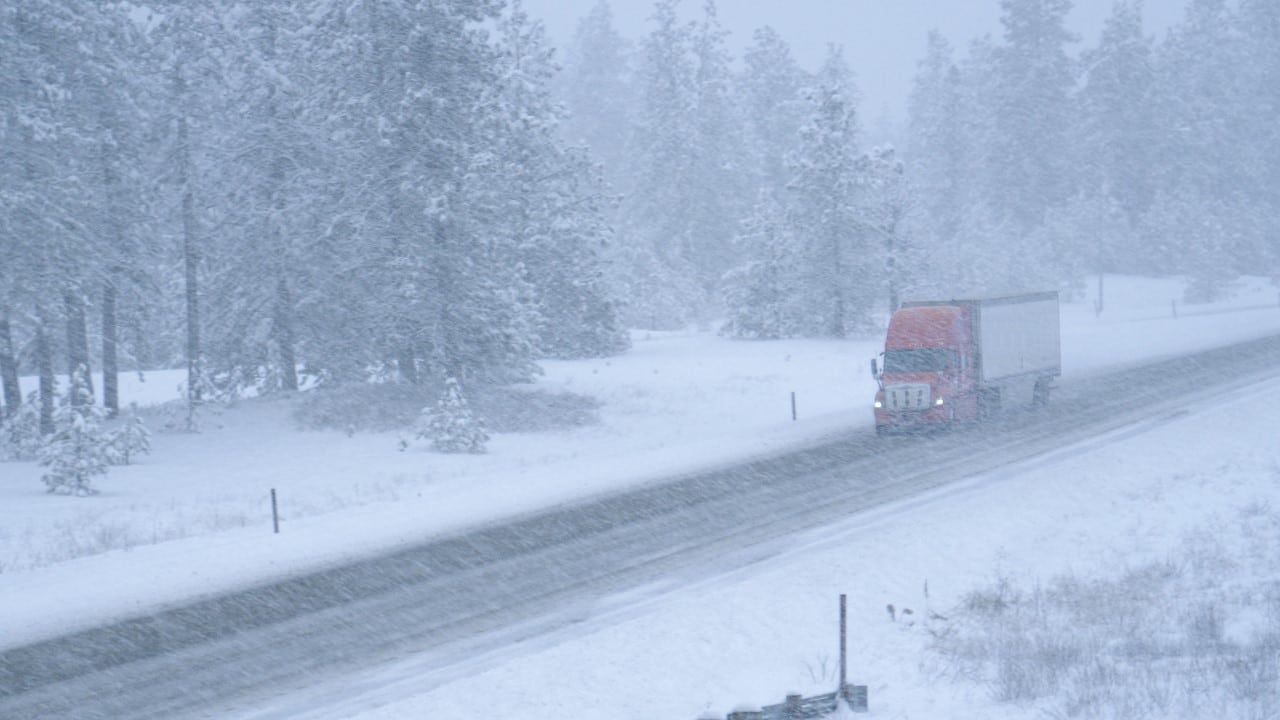
Millions of Americans face freezing temperatures and significant snowfall in early January 2026. Disruption of the polar vortex allows arctic air masses to descend into the central and eastern part of the country. Previsões indicate sharp drops in temperature in regions such as Meio-West, Grandes Lagos and Costa Leste.
Meteorological authorities have issued warnings for several areas, with the possibility of snow accumulation and strong winds. The phenomenon affects states such as Montana, Dakota of Norte, Minnesota, Michigan and Nova York. Especialistas highlight that successive cold waves may persist throughout the month.
- Northern regions record lows below -20°C on some days.
- Urban areas such as Chicago and Detroit are preparing for traffic impacts.
- Energy services monitor increase in demand for heating.
Stratospheric disruption explains the phenomenon
The polar vortex weakened due to a sudden warming event in the stratosphere detected in late December. Esse process displaces the vortex and facilitates the release of cold air to mid-latitudes. Modelos indicate that the current configuration favors atmospheric blocking patterns.
Long-term forecasts point to the maintenance of negative temperature anomalies in the north and center of the country. National Weather Service and AccuWeather monitor daily developments. The residual influence of a weak La Niña contributes to the variability.
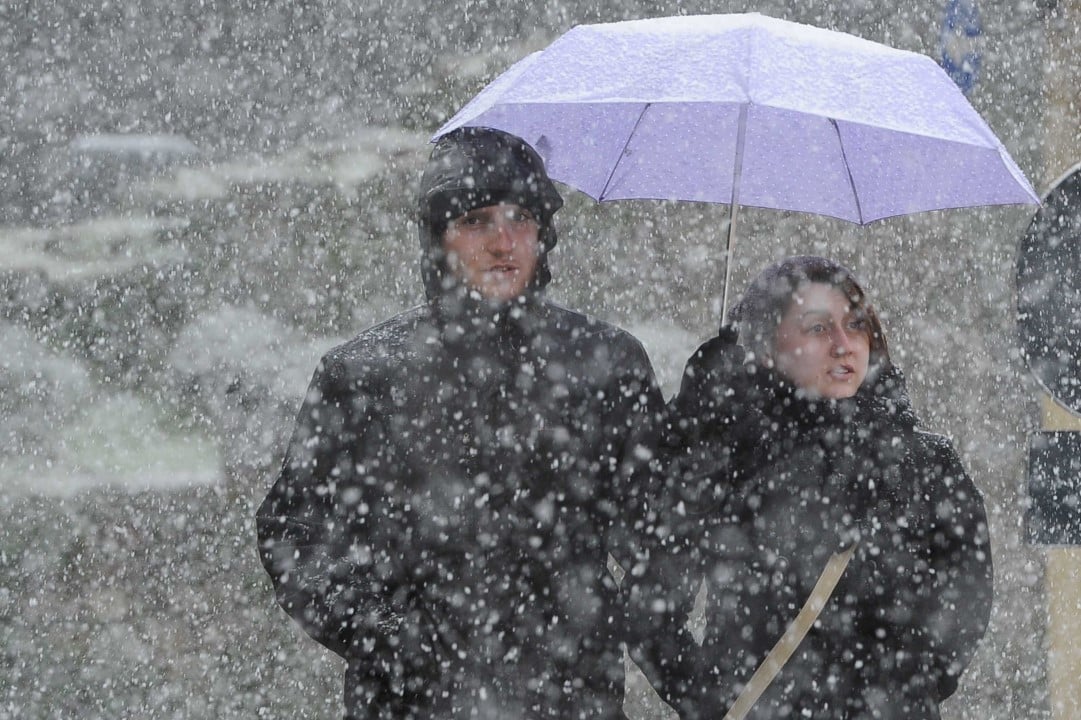
Regions most affected by the cold
The Meio-West and the Grandes Lagos concentrate the most severe impacts at the beginning of the month. Daytime Temperaturas is below the historical average by up to 15°C in places like Minnesota and Wisconsin. Acumulações of snow exceeds 30 cm in elevated areas of Montanhas Rochosas.
In Costa Leste, cities like Nova York and Filadélfia record episodes of snow and freezing rain. Ventos intense temperatures worsen the thermal sensation, with wind chill rates close to -30°C. Autoridades places recommend precautions for residents and drivers.
- Nevada and Idaho experience snowfall at high elevations.
- Michigan activates lake-made snow mechanisms.
- Pennsylvania issues winter storm warnings.
Snow forecasts and accumulations
Blizzards affect swaths of the north and center of the country throughout January. Modelos predict significant accumulations in the Grandes Lagos and interior of the Nordeste. Áreas as upstate New York and Vermont receive additional layers due to lacustrine effects.
In Pacífico Noroeste, heavy rain alternates with snow in mountains. The risk of flooding decreases as cold weather prevails. Previsões indicate at least two additional rounds of winter precipitation by mid-month.
Prolonged polar vortex effects
The configuration of the polar vortex suggests persistence of cold until the end of January in parts of the north. Ondas successive arctic waves reach the east and center, with brief interruptions. Especialistas note that similar events have occurred in past winters with comparable patterns.
Canada also records impacts, with extreme cold in central provinces. Interaction with low pressure systems amplifies snowfall in the US. Monitoramento continuous adjusts alerts for vulnerable populations.
Preparations recommended by authorities
Meteorological services advise residents to prepare homes for low temperatures. Isolamento of pipes prevents common ruptures during cold waves. Estoques of supplies and emergency plans gain emphasis in rural areas.
Air and road transport face delays due to snow and ice. Escolas in affected regions adopt contingency measures. Profissionais health authorities warn of the risk of hypothermia in prolonged exposure.
Evolving atmospheric patterns
Ensemble models indicate possible reorganization of the polar vortex in the second half of the month. Anomalias of pressure in the Atlântico Norte influence the trajectory of the jet. Updated Previsões shows risk of new cold incursions.
The phenomenon reflects natural variability amplified by seasonal patterns. Stratospheric Observações confirms the warming responsible for the current disruption. Long-term Dados helps understand winter trends.
Impacts on daily activities
Residents adjust routines as the intense cold advances in January. Comércios register greater demand for heating items. Eventos outdoors suffer cancellations in northern states.
Agriculture in southern regions monitors possible late frosts. Setor Energy prepares for peaks in consumption. Comunidades coordinate support for homeless populations during the coldest episodes.
- Checking vehicles for winter conditions becomes essential.
- Wearing layers of clothing protects against extreme wind chill.
- Travel alerts update in real time.




