
Nissan plans Juke EV, refreshed Ariya and possible Kicks e-POWER in European market in 2026


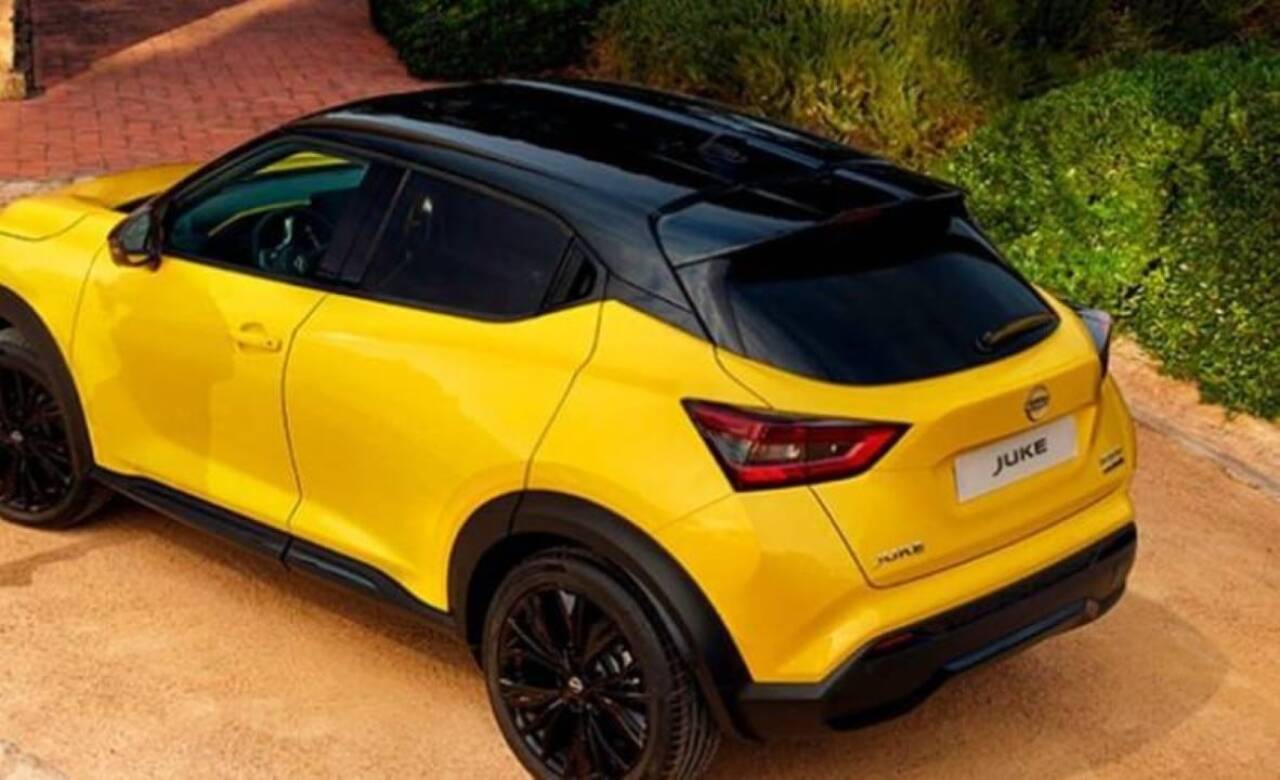
Nissan announced significant advances in its electrification strategy for the European market from 2026 onwards. The highlight is the next generation of the Juke, which will be offered exclusively as a 100% electric vehicle, marking an important transition for one of the brand’s most popular models on the continent. The Essa offensive also includes updates to the Ariya crossover and the evaluation for the introduction of the Kicks with e-POWER hybrid technology.
The plan reflects the adaptation of Nissan to the demands for sustainable mobility in Europa. The company seeks to consolidate its presence in an increasingly competitive segment, combining fully electric vehicles with hybrid options to serve different consumer profiles.
The third generation of the Juke will use the CMF-B EV platform, developed in partnership with Aliança Renault-Nissan-Mitsubishi. Essa architecture enables greater energy efficiency and advanced battery integration.
Shared platform and expected autonomy
The CMF-B EV platform represents an important technical advancement for compact electric models. Ela will be shared with other vehicles in the group, such as the future Renault 4, ensuring economies of scale and accelerated development.
The autonomy of the new Juke should exceed 400 km in the WLTP cycle, a value considered adequate for daily use in most European countries. Esse performance helps reduce common concerns related to charging on urban and highway journeys.
Production will take place at the Sunderland factory, at Reino Unido, reinforcing Nissan’s commitment to the local industry. The unit is already preparing lines for electric models, including investments in training and infrastructure.
Updates planned for Ariya
The Ariya crossover will undergo an update in 2026, focusing on exterior design and interior equipment. The changes include cleaner lines at the front, inspired by other recent models from the brand.
The powertrain will remain the same, maintaining the front or all-wheel drive options. The strategy prioritizes refinements in comfort and technology, without radical changes to mechanics.
New infotainment systems with Google integration should reach the European version. Essas improvements elevate the onboard experience, with more intuitive navigation and remote updates.
The revised version has been circulating on Japão since the end of 2025. Gradual implementation on Europa will take place throughout 2026, in line with regional connectivity demands.
e-POWER technology and arrival of the Kicks
e-POWER technology represents a series hybrid solution, where the combustion engine acts only as a generator for the battery. The system offers electric-like driving, with linear acceleration and low noise.
The third generation of e-POWER, recently launched, brings gains of up to 15% in efficiency. Essas improvements reduce emissions and consumption in intense traffic scenarios.
- Instant acceleration provided by the electric motor
- Auto-recharge without plug-in required
- Reduced vibrations compared to traditional hybrids
- Adapting to markets with limited charging infrastructure
The introduction of Kicks into Europa will depend on market analysis. Caso confirmed, the model will arrive exclusively with e-POWER, positioning itself as an affordable option in the compact crossover segment.
Integration into the global plan of Nissan
The The Arc plan guides Nissan’s actions until 2030, with the launch of multiple electrified models. Na Europa, the goal foresees that more than 40% of sales will be 100% electric vehicles by the end of 2026.
The company invests in technologies such as bidirectional charging, available on selected models from 2026 onwards.
The combination of pure electric and hybrids meets stricter European regulations. The diversified approach accelerates the transition without relying exclusively on public charging points.
Technical details of the new electric Juke
The electric Juke will maintain its characteristic bold design, with aggressive lines and striking personality. The closed grille and aerodynamic elements optimize airflow at speed.
Batteries with higher energy density contribute to the advertised autonomy. The thermal management system ensures consistent performance in different European climates.
Front-wheel drive options will predominate, with the possibility of more powerful versions. The suspension calibrated for the EV platform improves stability and cornering comfort.
The cabin will receive sustainable materials and larger screens for connectivity. Recursos of advanced assistance, such as semi-autonomous driving, will be available in higher packages.
Positioning of Ariya in the premium segment
The updated Ariya competes directly with rivals such as the Tesla Model Y and Hyundai Ioniq 5. The visual changes reinforce its modern identity, with slim headlights and a distinct light signature.
Acoustic improvements better isolate the cabin from external noise. Ajustes in the suspension prioritizes comfort on uneven roads common in the Europa.
Long-range versions remain competitive on extended trips. The Nissan fast charging network makes intercity travel easier.
Advantages of the e-POWER hybrid approach
e-POWER technology eliminates range anxiety in regions with fewer charging stations. The fuel tank extends the range without compromising the electric experience.
Lower combined consumption than traditional rivals attracts conscious consumers. Intensive regeneration recovers energy in urban slowdowns.
If the Kicks adopts the system, it will offer generous interior space for small families. The large trunk and elevated driving position complete the practical package.
Expansion of the electrified line
Nissan plans to expand its portfolio with other compact electric vehicles in the coming years. The British factory is preparing for increasing volumes of local production.
Partnerships with European battery suppliers reduce logistics costs. The strategy aims for more affordable prices to accelerate mass adoption.
Government incentives in several countries favor the acquisition of electrified models. The combination of subsidies and operational efficiency benefits end consumers.
The 2026 offensive positions Nissan as a protagonist in the automotive energy transition. The launches combine technical innovation with adaptation to specific regional needs.



