
Price difference between iPhone 17 and 16 reflects superior screen and improved performance in everyday life

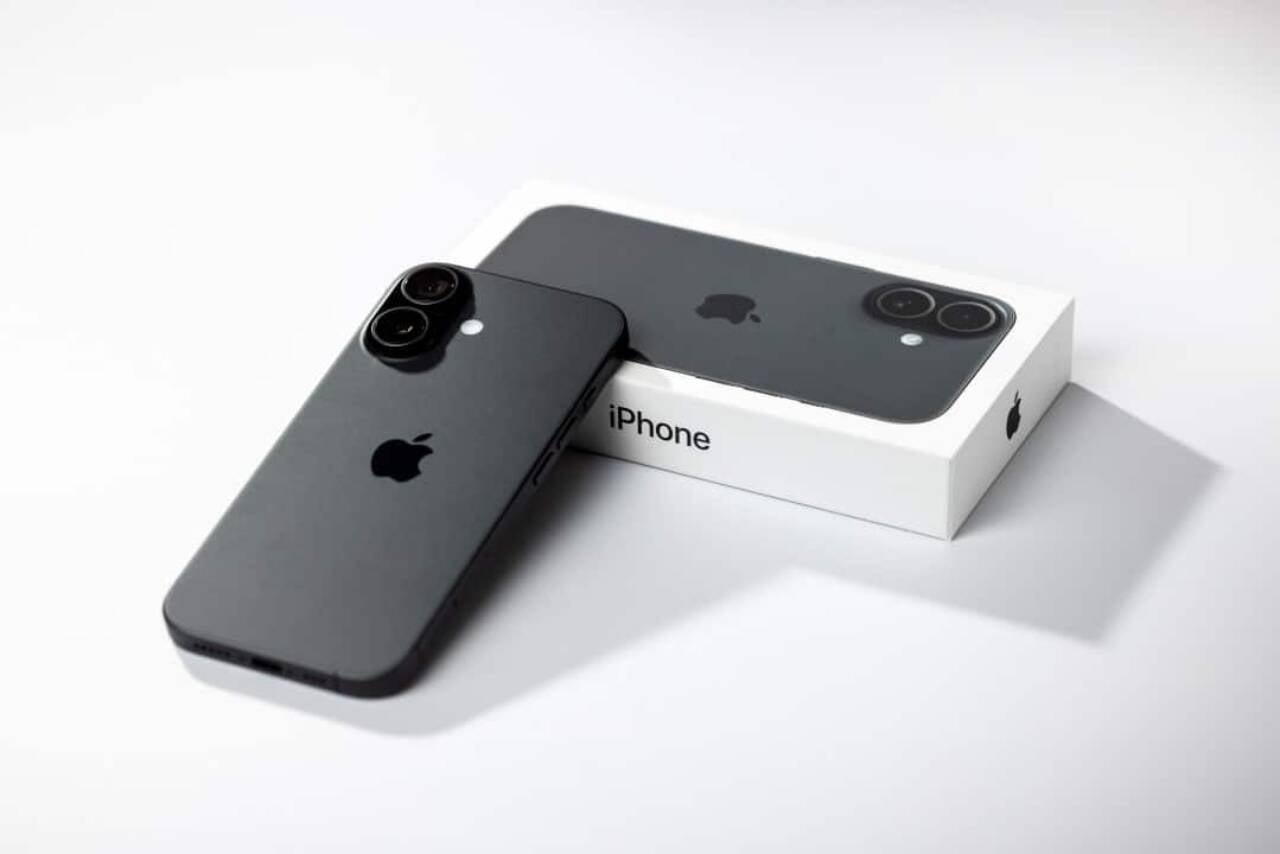
The Apple prepares the launch of the iPhone 17 line for September 2025, and expectations indicate that the base model will inherit features previously exclusive to the Pro versions. Entre the most awaited new features are the ProMotion screen with a refresh rate of 120 Hz and the always-on screen functionality, promising a significantly more fluid and dynamic user experience for consumers.
Technology sector analysts already point out that the entry-level iPhone 17 model should start with 256 GB of internal storage, double what is currently offered in the base models. Essa strategic change aims to align the device with a more premium standard, justifying part of the expected price increase in relation to its direct predecessor.
On the other hand, the iPhone 16, scheduled to be launched later this year, is positioned as a more affordable alternative, maintaining robust but more conservative specifications. The difference in values between the two generations raises a central question for consumers: do the improvements in the iPhone 17 justify the additional investment compared to the previous version?

Main technical differences
The biggest distinction between the two devices lies in the display technology. The iPhone 17 should adopt a panel with 120 Hz ProMotion technology, which dynamically adjusts the screen refresh rate. Isso results in smoother animations, more fluid page scrolling, and a faster touch response, especially noticeable in games and general operating system navigation.
In addition to fluidity, the iPhone 17 screen will feature the Always-On Display feature, which allows you to display essential information, such as time and notifications, with the device at rest and with minimal energy consumption. Já the iPhone 16 must maintain the current standard of 60 Hz, a consolidated and efficient technology, but which does not offer the same feeling of fluidity and modernity found in high refresh rate screens.

Photographic capacity under analysis
The camera system represents another crucial point of differentiation between the models. Rumores indicate that the iPhone 17 will be equipped with a dual rear camera system, both with 48 megapixel sensors. Essa configuration would allow for capturing images with a higher level of detail and greater versatility, including an improved ultra-wide lens for landscape and group shots. Quality in low-light environments should also receive significant improvements thanks to the larger sensor and advanced image processing. In contrast, the iPhone 16, although it should have a competent 48 MP main sensor, may present limitations in terms of photographic flexibility, especially for users who explore different angles and scenarios in their captures. The lack of a second high-resolution lens could be a deal-breaker for mobile photography enthusiasts.
Performance and battery for everyday use
Both devices will be equipped with Apple’s A-series chips, ensuring full support for the company’s artificial intelligence capabilities, known as Apple Intelligence. The iPhone 17, however, should come with a more powerful version of the processor, possibly the A19, which will include a more robust GPU and optimizations for intensive tasks.
This processing superiority will translate into potentially greater battery life, with estimates pointing to up to 30 hours of continuous video playback. Usuários who rely on their smartphone for work, gaming or content creation will notice a difference in speed and multitasking ability.
The iPhone 16, in turn, will offer more than enough performance for everyday tasks such as web browsing, social networks and video streaming. Sua battery is designed to withstand a full day of moderate use, meeting the needs of most users without difficulty.
Storage options and cost-benefit
Apple’s storage strategy for the iPhone 17 line aims to eliminate the need for immediate upgrades for many users. By offering 256 GB as an initial capacity, the company meets a growing demand for more space for applications, high-resolution photos and 4K videos.
Meanwhile, the iPhone 16 will maintain the 128GB option as a starting point, with higher configurations available for an additional cost. Essa approach allows the entry model to be priced more competitively in the market.
When comparing models with the same storage capacity, the price difference between generations becomes more evident. A 256GB iPhone 16 will still be considerably cheaper than the iPhone 17 of the same capacity, making cost-benefit analysis essential.
The choice will depend on the usage profile: those who need maximum performance and the latest features will find value in the iPhone 17, while those looking for a solid, economical option will be satisfied with the iPhone 16.
Exclusive features of the most advanced model
In addition to the screen and camera, the iPhone 17 should incorporate additional features that distinguish it from the previous model. Espera includes a customizable “Ação Button” and a dedicated “Captura Button” for the camera, facilitating quick access to specific functions and improving ergonomics during use.
Connectivity can also be a differentiator, with support for faster charging technologies and the latest Wi-Fi standards, ensuring a more agile and future-proof user experience.
Experience in real scenarios
Preliminary tests and expert analysis indicate that the iPhone 17’s 120Hz screen transforms the user experience in activities such as browsing social networks and editing photos. The extra fluidity makes interacting with the device more pleasant and responsive. The dual camera system, in turn, offers greater creative freedom, allowing you to capture more detailed images in different lighting conditions. Para For those who prioritize savings and perform basic tasks such as calls, messages and streaming, the iPhone 16 fulfills its function with excellence, representing a solid upgrade compared to older models.
Advantages of the iPhone 16 for consumers
The most affordable model in the line stands out for its excellent cost-benefit, delivering robust performance for essential day-to-day activities. Ele maintains full access to the Apple ecosystem and its artificial intelligence capabilities without requiring the highest investment.
This device represents a modern entry point into the Apple ecosystem, without compromising the core functions that make the iPhone a popular choice. The final decision between the two models will ultimately depend on each consumer’s usage profile and available budget.



