
US captures Nicolás Maduro and Rubio takes over temporary administration of the oil country


The Estados Unidos carried out a military operation in Caracas on the night of January 3, 2026. Forças special forces captured President Nicolás Maduro and his wife, Cilia Flores, who were transferred to American territory.
President Donald Trump announced that Marco Rubio, secretary of Estado, will lead the temporary management of the country by the American side. The action aims to restore Venezuelan oil infrastructure with investments from US companies.
Supremo Tribunal of Justiça of Venezuela appointed Delcy Rodríguez as interim president in response to the intervention. Rodríguez declared loyalty to Maduro and rejected outside interference.
- Operation involved air strikes on defensive targets in Caracas.
- Maduro faces narcoterrorism charges in the Estados Unidos.
- Trump emphasized focus on the country’s oil sector.
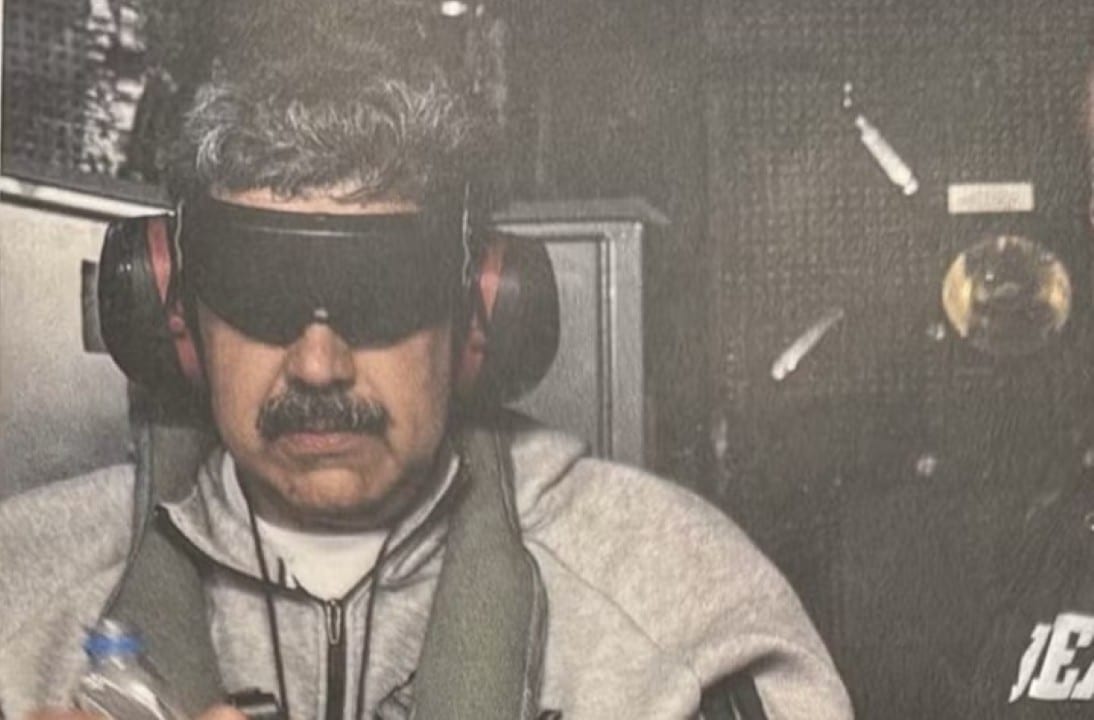
Military operation in Caracas
American forces carried out coordinated airstrikes on the Venezuelan capital during the early hours of January 3. The bombings hit radar and anti-aircraft defense installations to facilitate ground action.
Special units, including operators from Força Delta, penetrated the presidential residence and captured Nicolás Maduro and Cilia Flores without significant resistance. The detainees were initially taken to the Guantánamo naval base and then transferred to Nova York.
The operation featured extensive air support from more than 150 aircraft departing from regional bases. Autoridades Americans described the action as precise and limited to specific objectives.
The US government justified the intervention based on accusations accumulated against Maduro. Departamento of Justiça published the formal indictment on January 4th.
Accusations against Nicolás Maduro
Nicolás Maduro faces federal charges in the Estados Unidos for narcoterrorism and conspiracy. Authorities accuse him of leading the Cartel de los Soles, an organization linked to cocaine trafficking.
The indictment includes his wife, Cilia Flores, and close allies in a drug transport scheme for the Estados Unidos. The cartel was previously classified as a terrorist organization by the American government.
Maduro is also responsible for illegal possession of weapons and irregular trade in Venezuelan diplomatic passports. Essas accusations have been accumulating since 2020 and gained new momentum with the recent operation.
The former president is scheduled to appear in federal court on Nova York next Monday. Advogados of the defense has not yet publicly commented on the case.
Role of Marco Rubio in management
Marco Rubio, US secretary of Estado, will coordinate the temporary administration of Ele joins the team with Stephen Miller and Pete Hegseth to structure the transition.
Rubio emphasized that the action does not represent war against the Venezuelan people, but the fight against drug trafficking. Ele works to restore the oil industry with private American investment.
The secretary clarified that the US will seek a safe democratic transition. Empresas Americans plan to invest billions of dollars in the recovery of wells and refineries.
Rubio rejected ideas of prolonged occupation and focused on cooperation with aligned local authorities. American management will last until the country’s institutional stabilization.
Appointment of Delcy Rodríguez
The Venezuelan Supremo Tribunal of Justiça appointed Delcy Rodríguez as interim president on January 3. The decision cites external military aggression and the need for administrative continuity.
Rodríguez accepted the position, but reaffirmed exclusive loyalty to Nicolás Maduro in a public statement. Ela appeared surrounded by ministers and military commanders to demonstrate unity.
President Trump conditioned the absence of American troops on compliance with directives by Rodríguez. Ele ruled out the participation of opposition leaders like Maria Corina Machado in the transition.
Rodríguez criticized the American intervention and promised to defend national sovereignty. Militares Venezuelans officially recognized his interim authority.
Reactions in the Venezuelan government
Venezuelan authorities maintained a defiant tone after the American operation. The minister of Defesa rejected any external management of the country.
Delcy Rodríguez called on Conselho from Defesa Nacional to coordinate institutional response. Ela highlighted continuity of state functions despite the absence of Maduro.
High-ranking military personnel declared support for the interim presidency. Eles monitor borders and strategic installations on high alert.
The interim government keeps essential operations running. Funcionários public received guidance to preserve daily administration.
Investments in the oil sector
Donald Trump highlighted the importance of the Venezuelan oil industry for the operation. Ele announced that American companies will invest billions in infrastructure recovery.
Venezuela has the largest proven oil reserves in the world. Anos mismanagement and sanctions have drastically reduced daily production.
US companies plan to modernize idle wells and refineries. The initial focus is on resuming exports to international markets.
The American administration prioritizes private partnerships for the sector. Técnicos specialists are already evaluating main installations in the country.
International responses to the intervention
América Latina countries expressed varying concerns about the U.S. unilateral action. Governos allies of Maduro condemned the operation as a violation of sovereignty.
Nations like México and Colômbia called for regional dialogue to resolve the crisis. Organismos as OAS called urgent meetings on the topic.
US allies have expressed caution about precedents for intervention. Líderes Europeans requested clarifications on international legality.
Cuba expressed solidarity with the Venezuelan government and warned of regional consequences. China and Rússia harshly criticized American military action.



