
Apple’s plans for 2026 leak and indicate foldable iPhone along with new iPads and Macs with OLED screen


Information from industry sources points to one of the most ambitious years for Apple, with a launch roadmap for 2026 that promises to reformulate its main product lines. The news, which circulates in analyst reports and leaks in the supply chain, indicates the arrival of the long-awaited foldable iPhone, in addition to significant updates for the iPad and Mac families, with a focus on new screen technologies and more powerful processors.
The company’s strategy appears focused on consolidating its ecosystem through hardware innovations and an even deeper integration of artificial intelligence. The planned releases are not limited to incremental improvements, but rather to structural changes that can redefine the user experience, from the way one interacts with the smartphone to the performance of professional notebooks.
The leaked schedule suggests that the main announcements will be concentrated in the second half of 2026, following the traditional Apple calendar for the iPhone line. However, updates for Macs and iPads could occur as early as the beginning of the year, setting the stage for the big revelations that are expected to mark the technology industry.
The long-awaited foldable iPhone
The product that draws the most attention in the leaks is, without a doubt, the iPhone Fold. Após years of speculation, the Apple finally appears ready to enter the foldable device market. The device must have an external screen measuring approximately 5.5 inches and a flexible internal screen that opens to approximately 7.8 inches, using advanced OLED technology to ensure durability and superior image quality.
The ultra-thin design, with a projected thickness of around 4.5mm when opened, and the use of the unprecedented 2 nanometer A20 processor are other highlights. The price, however, should position it as a luxury item, with estimates ranging between 2,000 and 2,500 dollars, competing directly with the most advanced models from other brands that already operate in this segment.
Evolution in iPhone 18 Pro models
In addition to the folding model, the traditional line will also receive a major update. The iPhone 18 models Pro and Pro Max should feature an increase in screens, reaching 6.3 and 6.9 inches, respectively. The main visual change will be the complete elimination of the cutout on the screen, be it the notch or the Ilha Dinâmica.
To achieve this feat, the Apple plans to implement the Face ID technology under the screen, leaving only a small circular cutout for the front camera, similar to what is already seen on many Android devices. Essa change would represent the final step towards a truly immersive full-screen experience on iPhones.
Internally, these models will also be equipped with the A20 chip, which promises an increase of up to 15% in processing speed and a 30% improvement in energy efficiency compared to previous generations. Essa extra power will be essential to support the new artificial intelligence capabilities that Apple has been developing.
The transition to OLED screens in the Mac
The Mac line will also undergo an important technological evolution, with the adoption of OLED screens in the MacBook Pro models. The transition is expected to take place between the end of 2026 and the beginning of 2027, bringing to the brand’s professional notebooks the same benefits already seen in iPhones and iPads Pro, such as deeper blacks, infinite contrast and more vibrant colors.
This change not only improves visual quality for content creation professionals, but can also result in greater energy efficiency, extending battery life. The new MacBooks Pro with OLED should be equipped with the future generation of M series processors, possibly the M6 chip, also manufactured using a 2 nanometer process.
In early 2026, the MacBook Air and Mac mini models are expected to be updated with the M5 chip, maintaining the annual renewal cycle of their processors. Relatórios also indicate that Apple explores the possibility of replacing physical function keys with a tactile feedback bar and integrating its own 5G modems into future notebooks, increasing connectivity.
The unification of display technology across Apple’s premium product portfolio will create visual synergy, ensuring the color and contrast experience is consistent, whether on an iPhone, iPad or MacBook. Este move consolidates the company’s strategy of offering a cohesive, high-quality ecosystem across all its devices.
iPad gains more intelligence and new screens
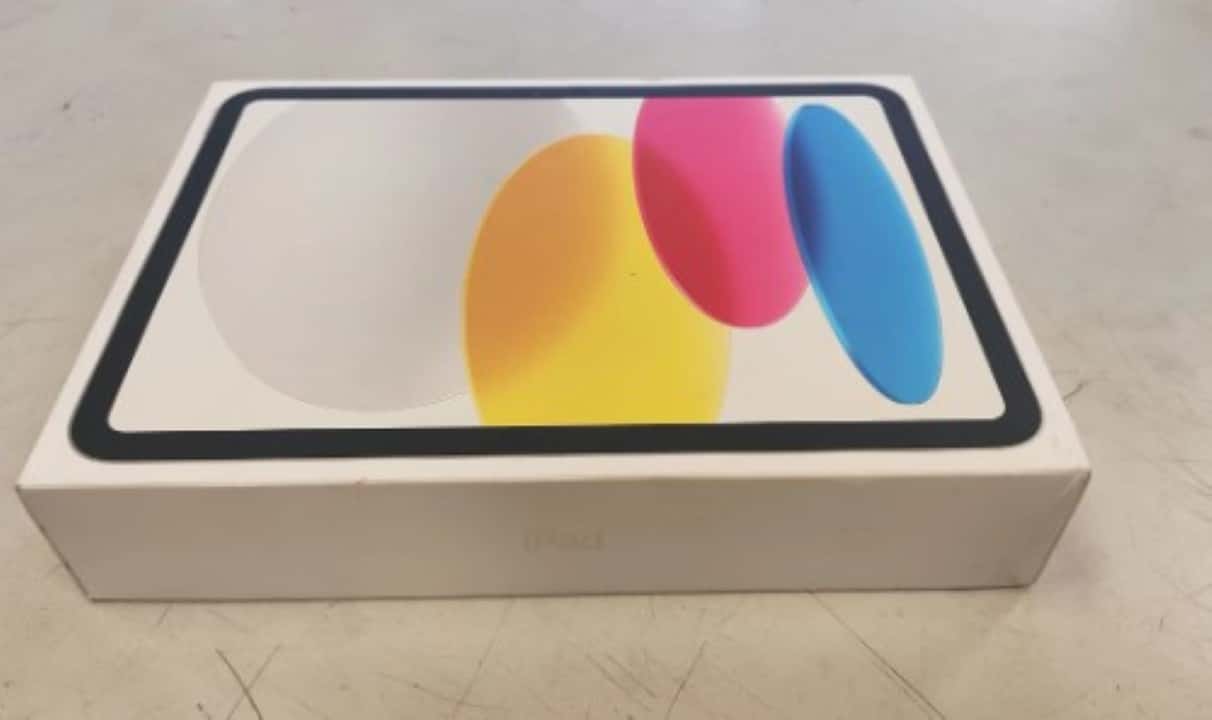
The iPad family will not be left behind. In 2026, the iPad mini should finally receive an OLED screen, an upgrade much requested by users who appreciate the compact form factor but want the best possible image quality. OLED technology will enable an even thinner and lighter design, as well as significantly improve contrast and color reproduction, making the device ideal for media consumption and gaming.
Meanwhile, the standard iPad model, focused on the entry-level and educational market, will receive the A19 processor and will be one of the main vehicles for disseminating Apple Intelligence resources. The company also plans to reinforce the iPad’s role as a smart home hub, with improvements in HomeKit integration and rumors about a new HomePod with an integrated screen, which would work in conjunction with the brand’s tablets to manage the connected home.
Siri and the bet on generative artificial intelligence
The great pillar that will support all these hardware innovations will be a profound redesign of the Siri and the integration of generative artificial intelligence throughout the operating system. Para 2026, Apple plans to launch a version of the virtual assistant based on advanced language models (LLMs), enabling more natural conversations, understanding complex contexts and the ability to perform multi-step tasks within applications. Essa new Siri will be proactive, offering personalized suggestions and automations based on the user’s habits, transforming into a truly personal assistant. The Apple Intelligence will be the driving force, processing data locally on devices wherever possible to ensure privacy, while leveraging the power of the new A20 and M6 chips to deliver fast, relevant responses. The strategy is clear: make AI an invisible and indispensable part of the user experience, differentiating itself from competitors through its focus on privacy and integration with the ecosystem.
Other devices in the ecosystem
Popular accessories like the Apple Watch and AirPods are also expected to receive updates in 2026, albeit more incrementally. Espera The new models are expected to include enhanced health sensors and improvements in connectivity, reinforcing Apple’s vision of an ecosystem of devices that work in perfect harmony to monitor well-being and facilitate user communication.



