The sharp drop in relative air humidity, common in several regions of the country during certain periods of the year, raises an alert for the health of the population. Severe weather conditions go beyond mere discomfort, manifesting themselves through physical symptoms such as itchy eyes, nosebleeds, dry skin and an increased risk of dehydration, requiring increased attention to daily care.
When humidity levels are consistently below 30%, the human body begins to feel the effects more intensely. Especialistas from the health sector reinforce that the adoption of preventive measures is essential to go through these phases with minimal negative impact, focusing mainly on three pillars: constant hydration, strategic nutrition and adapting the home environment.
According to Organização Mundial of the Saúde (WHO), the ideal level of air humidity for human well-being is in the range of 60%. Níveis much lower than this, such as those frequently recorded during periods of drought, can worsen respiratory and allergic diseases, making prevention an indispensable tool for maintaining quality of life.
The effects of dry air on the body
The respiratory system is one of the first and most affected by low humidity. The dry air that enters the nostrils causes the mucous membranes to dry out, which act as a natural barrier against the entry of viruses, bacteria and other polluting agents. With this protection compromised, the body becomes more vulnerable to infections, such as flu and colds, as well as asthma attacks, rhinitis and sinusitis. Local irritation can cause a persistent dry cough, sore throat and even minor nosebleeds due to the fragility of the blood vessels in the region.
The skin and eyes also suffer intensely. The evaporation of water from the epidermis is accelerated, resulting in dryness, flaking, itching and a dull appearance. Pessoas with pre-existing conditions, such as atopic dermatitis, may experience a significant worsening of symptoms. Nos eyes, the decrease in natural lubrication causes a sensation of grit, redness, burning and itching, a condition known as dry eye syndrome, which can affect the quality of vision and generate great discomfort throughout the day.
Hydration is the body’s main defense
Adequate fluid intake is the most crucial measure to combat the effects of dry weather. The general recommendation for an adult is around 2 liters of water per day, but this amount must be adjusted individually. A practical way to calculate your daily requirement is to multiply your body weight by 35 ml. For example, a 70 kg person should consume approximately 2.45 liters of water.
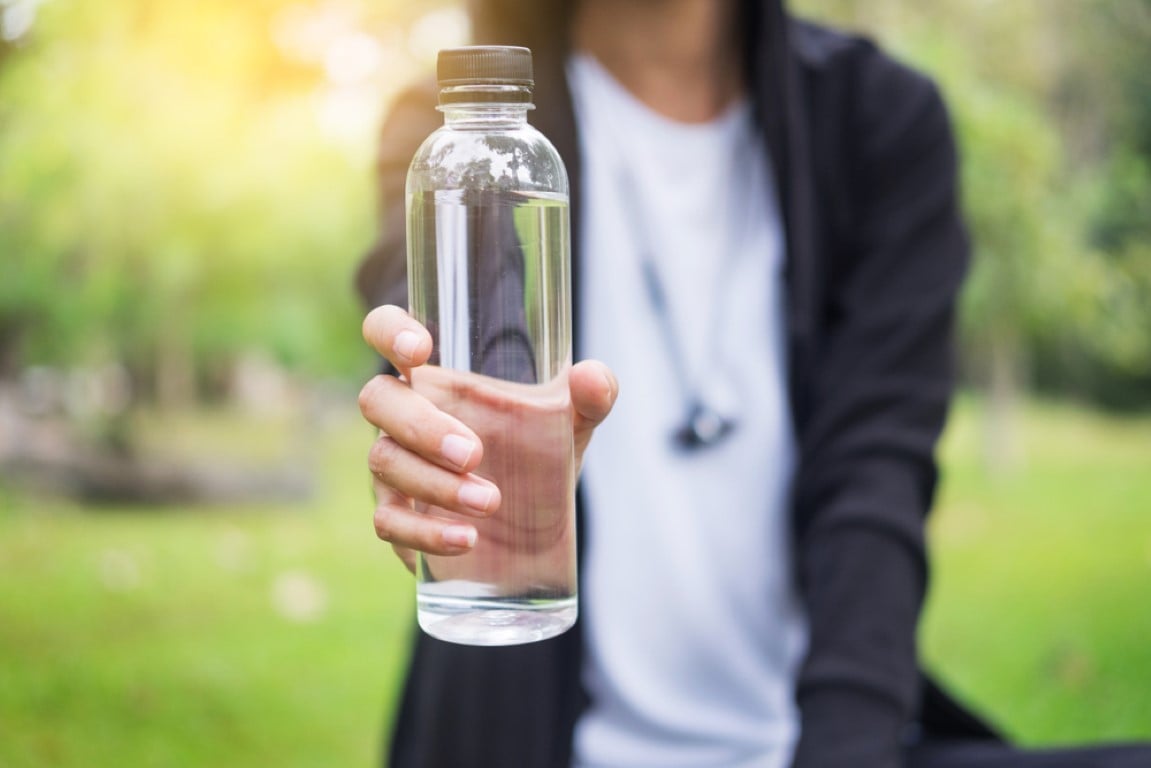
It is essential not to wait for thirst to arrive to drink water, as thirst is an early sign of dehydration. Manter A bottle of water always nearby helps create the habit of drinking small sips throughout the day, ensuring that the body remains constantly hydrated from the inside out.
In addition to pure water, other drinks can complement hydration. Água coconut, unsweetened herbal teas and natural fruit juices are excellent alternatives. On the other hand, it is important to moderate the consumption of alcoholic beverages, soft drinks and those with a high concentration of caffeine, as they have a diuretic effect, that is, they stimulate the elimination of liquids from the body, which can accelerate the dehydration process.
Food as a powerful ally
Nutrition plays a vital role in maintaining hydration during dry periods. Incluir foods rich in water on the menu are a smart and effective strategy to supplement liquid intake. Muitas fruits and vegetables have a high water content in their composition, helping to hydrate the body while providing essential vitamins and minerals.
Among vegetables, cucumber, lettuce and tomato stand out, with more than 95% of their composition being water. Eles are versatile and can be easily incorporated into salads and snacks, offering refreshment and important nutrients for the functioning of the body and skin health.
In the fruit group, watermelon leads as one of the most hydrating, followed by options such as strawberries, melon, peach, orange and pineapple. Além of their high water content, these fruits are sources of antioxidants that fight free radicals and strengthen the immune system, a welcome extra defense at this time of year.
Vegetable soups, broths and creams are also excellent choices for main meals, especially at dinner. Além warming and comforting, they contribute significantly to daily hydration and ensure the intake of a variety of nutrients in a light and easily digestible form, helping to maintain general well-being.
Measures to humidify the environment and protect the skin
Adapting the indoor environment is an effective way to mitigate the effects of dry air, especially in rooms where you spend more time, such as the bedroom and office. The use of electric air humidifiers is one of the most efficient solutions, as they release water vapor into the environment, raising humidity levels to more comfortable levels. Caso don’t have a device, homemade methods can help: spreading containers of water around the rooms, hanging wet towels or even letting the steam from the shower spread throughout the house after bathing are viable alternatives. House cleaning must also be adapted; Instead of sweeping, which raises dust and allergens, choose to use a damp cloth on the floor and furniture to remove dirt without suspending particles in the air. Para the skin, topical hydration is essential. Aplique moisturizing creams all over the body, especially after showering, to seal moisture into the skin. Lábios and nostrils also deserve attention, with the use of lip moisturizers and saline solution, respectively.
Warning signs that should not be ignored
Recognizing the first signs of dehydration is essential to act quickly and reverse the condition before it worsens. Sintomas mild symptoms include intense thirst, dry mouth, decreased urinary frequency and dark colored urine with a strong odor. Cansaço, headache and dizziness may also be present.
If the condition progresses, symptoms may become more severe, including mental confusion, irritability, rapid heartbeat, wheezing, and loss of skin elasticity. In Nesses cases, seeking medical attention is urgent, as severe dehydration can lead to serious complications and requires professional intervention to replace fluids and electrolytes.
Extra care for children and the elderly
Vulnerable groups, such as children and the elderly, deserve special attention during periods of dry weather. Eles são mais suscetíveis à desidratação, seja pela dificuldade de comunicar a sede, no caso dos pequenos, ou pela diminuição natural da percepção da sede, comum em idosos. Portanto, it is the responsibility of caregivers to offer fluids actively and frequently, in addition to carefully observing any signs of discomfort or changes in health status.
