
Future of the Palace of Westminster will be voted on in 2026 with three reform options for parliament

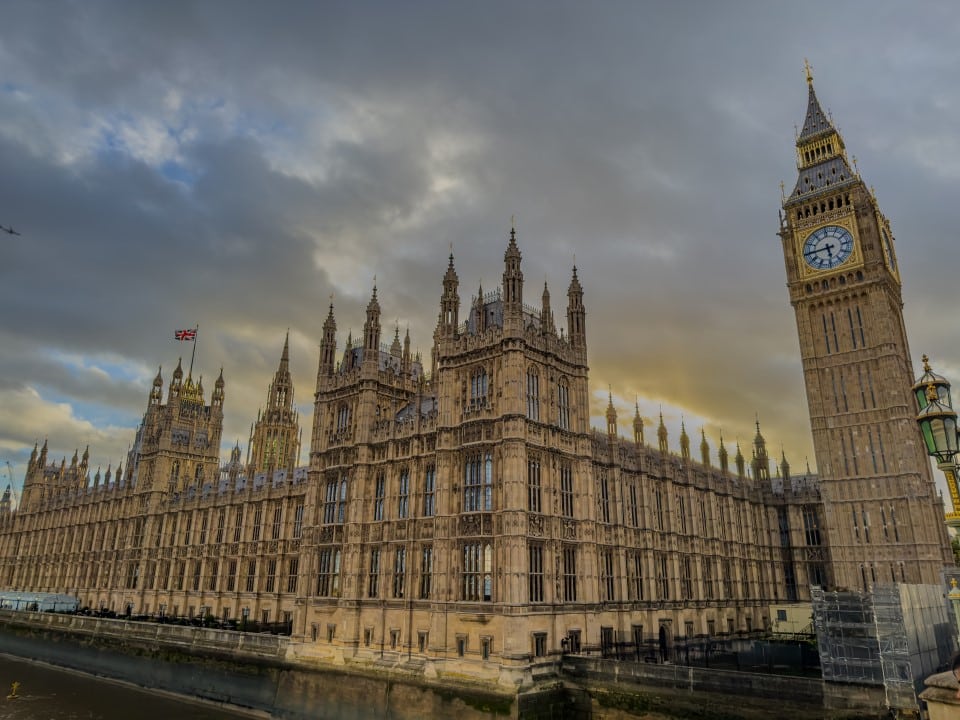
The future of the iconic Palácio of Westminster, home of Parlamento of Reino Unido in Londres, will be decided in 2026. The decision is considered crucial for the preservation of world heritage and the continuity of legislative activities.
A full report, containing updated costs, schedules and risk analyzes for each scenario, will be presented in the first weeks of 2026. The complexity of the operation and the billion-dollar costs involved generate intense debates among members of the Câmaras, the Comuns and the Lordes.
The need for intervention is unquestionable, with decades of delays resulting in a dangerously obsolete infrastructure. Especialistas warn that further delays could lead to a catastrophic incident, compromising not only the physical structure, but also the safety of thousands of people who work and visit the site daily. The vote will determine the approach, cost and impact of reform over the coming decades.
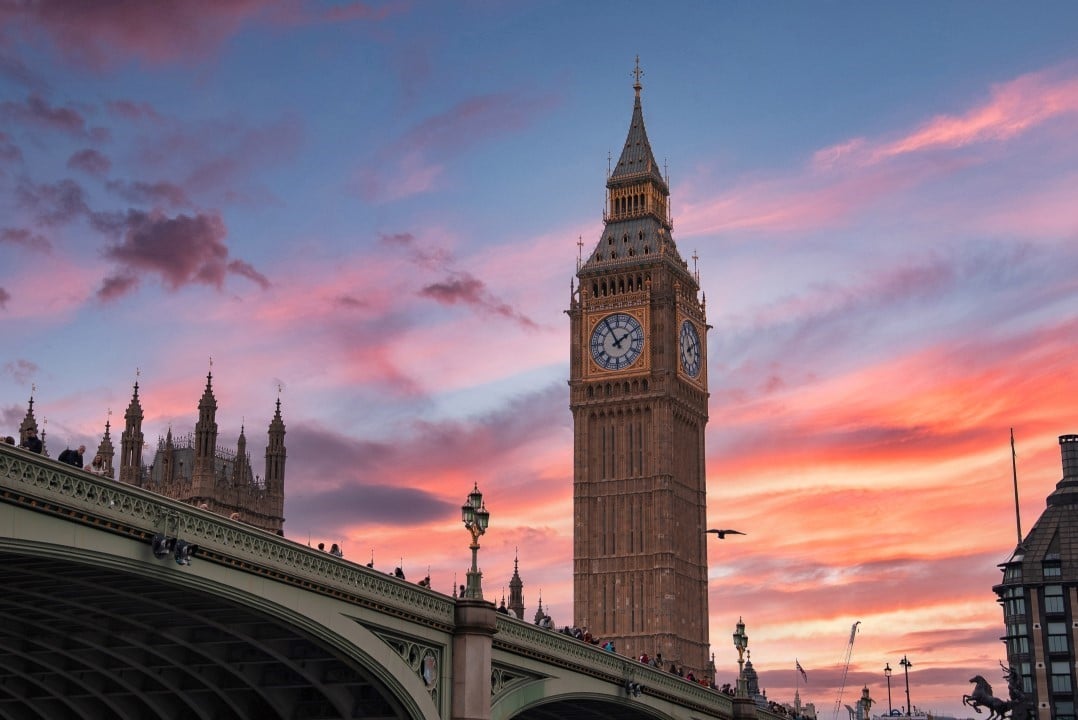
The serious structural risks of the palace
The Palácio of Westminster, a symbol of British democracy, hides an infrastructure on the verge of collapse. Sistemas mechanical and electrical structures dating, in parts, from post-Second Guerra Mundial, pose an imminent fire risk. Old wiring is intertwined with gas and water pipes, creating a dangerous maze that prevents safe, isolated repairs. Relatórios technicians describe the situation as a “time bomb”, with more than 60 potential fire incidents recorded in recent years. Além Furthermore, the presence of asbestos in hundreds of locations requires a complex and careful removal process to protect the health of workers. The stone structure of the building itself is deteriorating, with falling fragments of the facade being an increasingly common occurrence, forcing the isolation of external areas. Vazamentos chronic damage to roofs and pipes causes constant damage to the structure and historical heritage contained in the palace, making the situation unsustainable without complete and in-depth intervention.
Details of proposals under evaluation
The first option to be presented to parliamentarians is “total decantation”. Este scenario envisages the complete vacancy of Palácio of Westminster, with Câmara of Comuns and Câmara of Essa approach is considered the fastest and safest, allowing restoration teams to work uninterruptedly and efficiently across the entire building simultaneously.
The second alternative is “partial decantation”, in which only one of the chambers would move, while the other would remain in operation within the palace. Embora allows part of the activities to continue at the historic site, this option would significantly extend the construction schedule and increase total costs, as well as presenting considerable logistical and safety challenges in keeping a portion of the building operational in the midst of a large-scale renovation.
The third proposal consists of “enhanced ongoing maintenance”. Neste model, the works would be carried out in phases, without any of the chambers needing to move. However, projections indicate that this would be the most time-consuming option, potentially taking several decades to complete, and also the most expensive in the long term due to the need for complex safety measures and the lower efficiency of work carried out in an occupied environment.
The 2026 report will provide a detailed comparative analysis, updating cost estimates that in previous projections already ranged from £7 to over £20 billion depending on the method chosen. The analysis will take into account inflation and the results of new technical inspections that map the real extent of the damage and the complexity of the systems to be replaced.
Billion-dollar cost projections and deadlines
The financial estimates for restoring Palácio from Westminster are monumental and vary drastically depending on the approach taken. Projeções of 2022 indicated that total clearance could cost between £7 and £13 billion, with a timetable extending up to two decades. Esses numbers, however, are considered outdated and should be revised upwards in the 2026 report, reflecting inflation in the construction sector and the increasing complexity discovered in new inspections.
If the partial decantation option is chosen, costs could jump to up to £18.5 billion, with the completion time being extended by several additional years. The alternative of carrying out the works with the parliament in operation, although it avoids a temporary change, is projected as the most expensive, potentially reaching 22 billion pounds and lasting 40 to 50 years, representing a continuous financial burden for generations.
The political debate on the future of parliament
The decision on the reform divides opinions on the British political scene. Lord Hain, an advocate of full decantation, argues that this is the only truly safe and financially responsible option, criticizing the delays as damaging to the image of parliamentary democracy. Ele recalls that the principle of eviction had already been approved in a vote in 2018, but implementation was delayed.
On the other hand, figures such as Lord Dobbs express skepticism, raising concerns about the symbolic impact of the Câmara of the The debate reflects the tension between technical urgency, fiscal responsibility and the preservation of parliament’s traditions and institutional authority.
Alternative locations for the seat of power
In the scenario of a complete or partial eviction, several locations close to Westminster are being considered to temporarily house the parliament. The Queen Elizabeth II (QEII) Conference Centre, located in front of the palace, is the preferred location to relocate the Câmara from the
For Câmara of Comuns, the main proposed location is Richmond House, a government building in Whitehall that was once the headquarters of Departamento of The plan would require the construction of a temporary debating chamber on its premises, a project that itself has sparked debate over costs and architectural feasibility.
Other more creative suggestions have been suggested in the past, including the construction of a floating structure on the Tâmisa river. Independentemente the choice, the logistical planning for the change is immense, involving the transfer of the entire legislative operation, offices and support teams, ensuring the continuity of work without significant interruptions.
Technical preparations and investigations
While a political decision has not been made, technical teams continue to carry out intrusive inspections and detailed surveys to accurately map the palace’s condition. Essas investigations are critical to refining restoration plans and cost estimates, revealing the complexity hidden behind historic walls and beneath centuries-old floors.
Consequences of new postponements
Experts and parliamentarians warn that any further delay in decision-making exponentially increases the risks of a catastrophic event. The comparison to the fire that devastated Catedral of Notre-Dame, in Paris, is often cited as a reminder of what can happen to historic buildings that have antiquated security systems.
In addition to the imminent danger, each year of delay means spending millions of pounds on emergency repairs and stopgap maintenance that do not resolve the fundamental problems. Postponing the renovation not only increases the final cost of the project, but also prolongs the exposure of employees, parliamentarians and visitors to an increasingly unsafe work environment.



