
Ideal water consumption is questioned and the recommendation of two liters per day may be an exaggeration for many

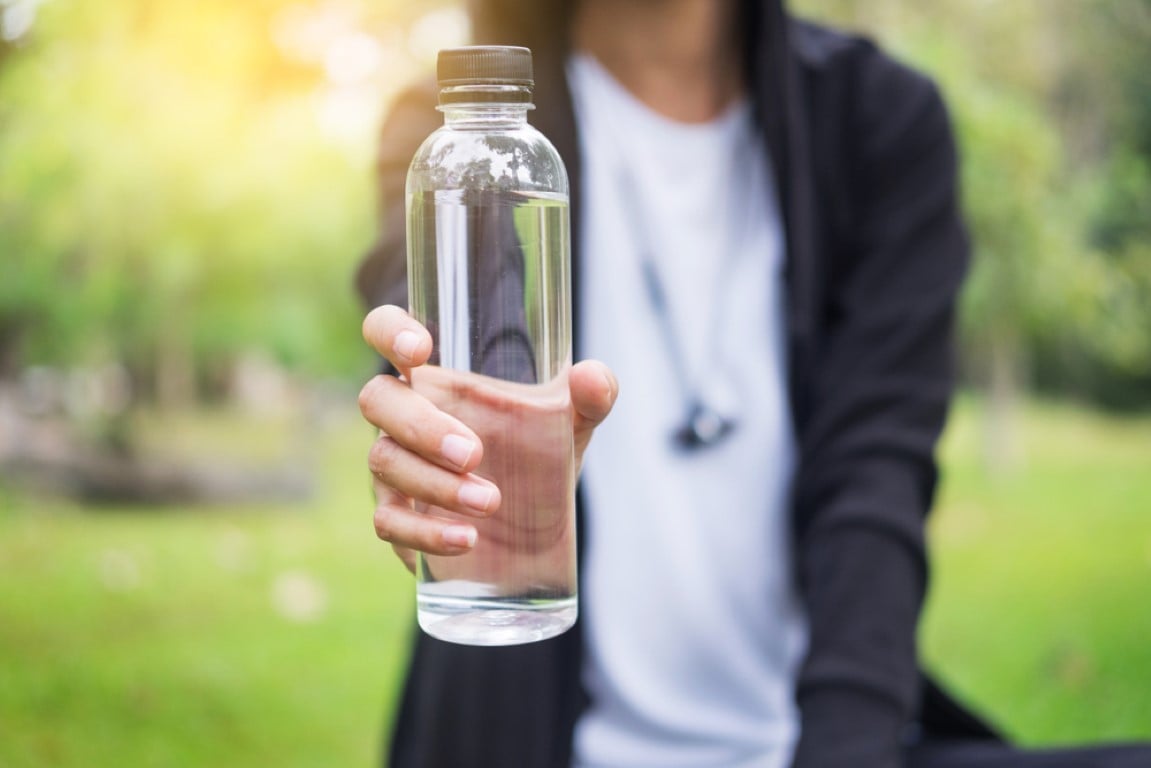
The recommendation to drink two liters of water a day, widely held as a pillar of health and well-being, is increasingly being reevaluated by experts and recent scientific studies. Essa guidance, which for decades has shaped consumption habits, may not be the ideal measure for everyone, suggesting that the need for hydration is a much more individualized process than previously believed.
Increasing evidence indicates that the amount of fluids needed for the body to function properly varies considerably. Fatores such as age, level of physical activity, climate and pre-existing health conditions play a crucial role in determining daily water intake. Portanto, the universal “eight glasses” rule may be too much for some and not enough for others.
For most young, healthy individuals, the body’s main regulatory mechanism, thirst, remains the most reliable and efficient indicator. Beber water when you feel thirsty is, in most cases, enough to keep the body properly hydrated and avoid both dehydration and the risks associated with excessive fluid consumption.
The origin of the recommendation and its counterpoints
The famous guideline to consume about two liters of water per day did not emerge from a definitive, robust clinical study, but appears to have its roots in older recommendations and simplified interpretations. One of the frequently cited sources is a 1945 publication by Food and Nutrition Board of National Research Council of Estados Unidos, which suggested the intake of 1 ml of water for each calorie of food consumed. Para a standard 2,000 calorie diet, this would be equivalent to two liters of water. However, the same recommendation highlighted that much of this amount is already contained in the foods we consume, a crucial detail that has often been omitted over time.
Currently, the scientific community reinforces that hydration does not depend exclusively on pure water. Muitos foods, especially fruits and vegetables such as watermelon, cucumber and oranges, have a high water content and contribute significantly to total fluid intake. Além In addition, other drinks such as teas, natural juices, milk and even coffee, consumed in moderation, participate in the body’s water balance. Desconsiderar these sources lead to an overestimation of the amount of water we need to drink directly, which feeds the myth that only water in its pure form is valid for hydration.
Factors that influence the need for hydration
A person’s water need is a complex and dynamic calculation, influenced by a number of variables that change daily. Physical activity is one of the main factors; Those who practice intense or long-term exercise lose more fluids through sweat and, consequently, need greater replacement. The environment is also decisive, as in hot and dry climates the loss of water through perspiration and respiration increases considerably, requiring a higher water intake. Age is another important variable, with the elderly and children being more vulnerable to dehydration, often because their thirst mechanisms are not as accurate. Além Furthermore, specific health conditions can drastically alter the need for fluids. Pessoas with a history of kidney stones, for example, are often advised to increase their water consumption to help dilute the minerals in their urine. Conversely, patients with certain heart or kidney diseases may need to restrict fluid intake to avoid overloading the cardiovascular system. Portanto, a personalized approach, which considers each person’s lifestyle and health status, is essential for adequate hydration.
Body signals that should not be ignored
The human body has a sophisticated system to signal the need for fluid replacement, with thirst being the most direct and effective warning. Ignorar This first sign can lead to early stages of dehydration, which manifests itself in other ways.
Urine color is a practical and reliable visual indicator of hydration status. Light yellow urine, similar to lemonade, generally indicates that a person is well hydrated. On the other hand, a dark yellow or amber color is a clear sign that the body needs more fluids.
Other symptoms of dehydration include dry mouth, fatigue, dizziness and decreased urination. In more severe cases, mental confusion and irritability may occur, showing that a lack of water affects not only the body, but also cognitive functions.
Beyond water: other sources of hydration
Although water is the healthiest option as it contains no calories or sugars, it is not the only source of hydration available. A diet rich in foods with a high water content is an effective way to supplement your fluid intake.
Fruits such as watermelon, strawberries and cantaloupe, as well as vegetables such as lettuce, cucumber and celery, are made up of more than 90% water. Incluir these foods in daily meals contribute significantly to the body’s total water balance.
The dangers of excessive fluid consumption
Just as a lack of water is harmful, excess water can also be dangerous. Beber an amount of water that is much greater than the kidneys’ processing capacity can lead to a serious condition known as hyponatremia, or “water intoxication.”
This occurs when excessive water intake drastically dilutes the sodium concentration in the blood. Sodium is a vital electrolyte for fluid balance inside and outside cells, and its low concentration can cause serious health problems.
Initial symptoms of hyponatremia may be vague, such as nausea, headache, and confusion. However, in severe cases, the condition can lead to brain swelling, seizures, coma and even death, as has been documented in endurance athletes and water-drinking contest participants.
It’s crucial to understand that while hydration is key, balance is key. Forçar consuming water beyond the sensation of thirst, without a real metabolic need or medical recommendation, does not bring additional benefits and can expose the individual to unnecessary risks.
When is the best time to hydrate
There is no specific time that is universally best to drink water, as the need for hydration is continuous throughout the day. The most recommended by experts is to distribute liquid consumption in a balanced way, promptly responding to the thirst signal and paying attention to moments of greater need, such as before, during and after physical activity.



