
Kiyoshi Kimura pays equivalent to R$17 million for 243 kg tuna in Tokyo

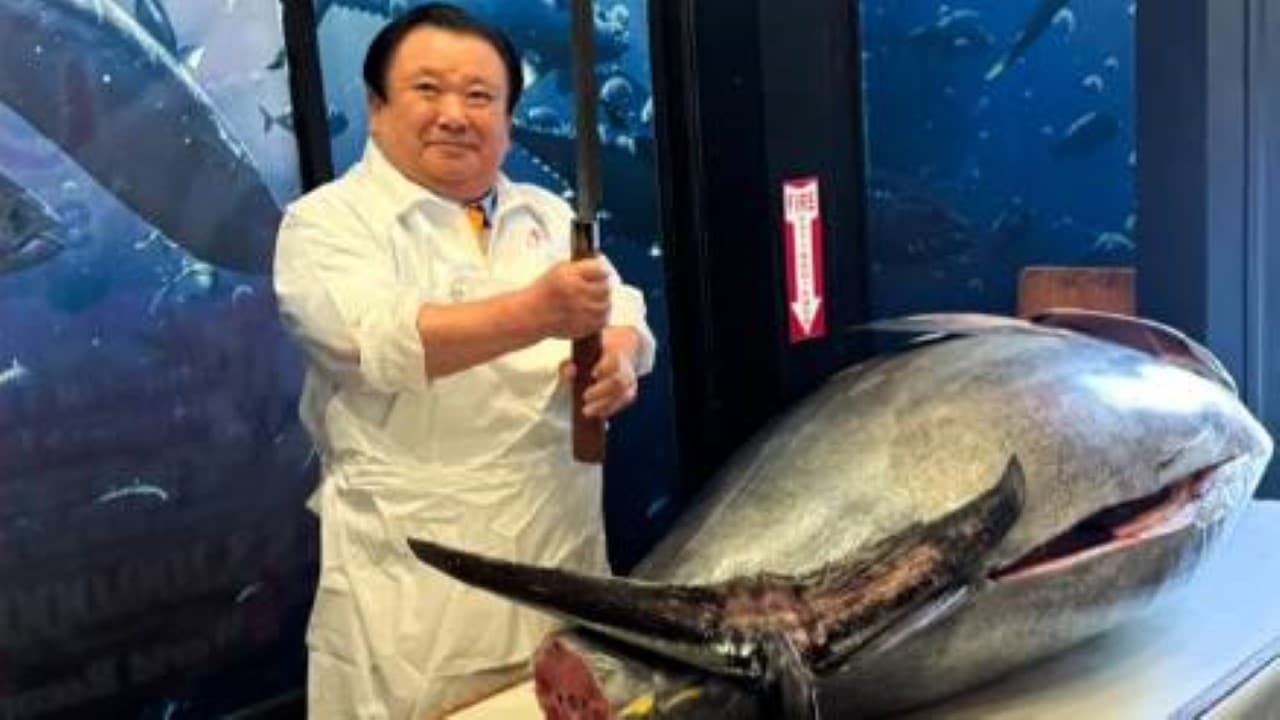
A 243-kilogram bluefin tuna was sold for 510 million yen in the first auction of the year at the Toyosu market, in Tóquio. The value is equivalent to approximately R$17.3 million and represents the highest price ever recorded for this type of event since 1999. The purchase was made by the company Kiyomura Corp., operated by businessman Kiyoshi Kimura.
The auction took place before dawn on January 5, 2026, in keeping with the annual Japanese tradition. The fish, caught off the coast of Oma, in the province of Aomori, stood out for its superior quality recognized in the market.
This result surpasses the previous record of 334 million yen, set in 2019 also by Kimura. The transaction reflects the symbolic nature of these initial auctions of the year.
Transaction details
The specimen weighed exactly 243 kilograms and fetched 2.1 million yen per kilogram. Esse price per unit of weight demonstrates the exceptional value of Oma tuna on the Japanese market.
A Kiyomura Corp. won the dispute between several buyers present in the Toyosu market. The company manages the Sushi Zanmai restaurant chain, known for using high-quality fish in its preparations.
Annual auction tradition
The first auction of the year in the Toyosu market has attracted national and international attention for decades. Centenas of fish are traded daily at this location, but the January event stands out due to its symbolic meaning of prosperity.
High prices in these initial auctions often serve as a marketing strategy for winning companies. Buyers use visibility to reinforce their image in the food sector.
The tradition dates back to the former Tsukiji market, moved to Toyosu in 2018. The early morning format remains unchanged, with trading starting before sunrise.
Winning buyer profile
Kiyoshi Kimura, known as the “King of Atum”, has won several similar annual auctions. Sua company prioritizes the acquisition of premium copies to supply the restaurant chain.
The high bidding strategy allows for Kiyomura Corp. gain significant media coverage. Essa approach helps attract customers to Sushi Zanmai chain establishments located in several Japanese cities.
Characteristics of the record-breaking specimen
Bluefin tuna comes from the Oma region, famous for the quality of its fish due to local oceanic conditions. Essas cold water favors the accumulation of fat that enhances meat when consumed raw.
The Pacífico bluefin species has experienced a period of overfishing in past decades. Medidas international quotas have helped stocks recover in recent years.
Larger specimens tend to have superior texture and flavor according to industry experts. Essa preference explains the high bids on fish over 200 kilos.
Bluefin tuna market context
The Japanese market consumes a large part of the world’s bluefin tuna production. Traditional consumption of sashimi and sushi maintains high demand throughout the year.
- Stocks of the species show signs of recovery thanks to fishing quotas imposed by international organizations.
- The average price per kilogram at regular auctions is well below the symbolic values of the annual event.
- Restaurant chains compete annually for the first tuna to gain visibility.
- The quality of Oma remains a reference among professionals in the sector.
Evolution of historical prices
Ano Novo auctions record significant variations over the years. In 2019, the previous record was set at 334 million yen by the same buyer.
More moderate values predominate in recent editions due to economic factors. The 2026 edition surprised analysts by exceeding initial expectations.
The table below summarizes some notable moves:
- 2013: 155 million yen.
- 2019: 334 million yen (previous record).
- 2026: 510 million yen (new record).
These numbers illustrate the exceptional nature of the event.
Cultural importance of the event
The auction represents more than a commercial transaction in Japão. Ele marks the beginning of the annual fishing and seafood consumption cycle.
Sector professionals monitor the result as an informal indicator of trends. Restaurantes of high standards adjust menus based on the availability of premium items.
Species recovery
International conservation efforts have contributed to the stabilization of bluefin stocks. Países fisheries have implemented strict catch limits over the past fifteen years.
Organizations monitor populations in Pacífico to prevent a return to the previous critical situation. Positive results allow controlled fishing to continue.
Japanese consumers increasingly value the sustainable origin of fish. Essa trend influences purchasing decisions in retail and restaurants.
Impact on the restaurant sector
The record-breaking acquisition directly benefits the winning network in terms of advertising. Clientes look for establishments that serve portions of symbolic tuna.
Other chains adjust strategies to compete by offering similar quality. The event stimulates the sushi market during the first weeks of the year.
(multiple paragraphs were needed to delve into different aspects)
Morning auction procedure
Traders arrive at the Toyosu market in the early hours of the morning. Visual inspection of the fish precedes quick bidding conducted by experienced auctioneers.
The hand signal system speeds up offers between buyers. Minutos are enough to define the destination of each high-value specimen.
Recognized quality of Oma
The Oma region produces tuna valued for its high intramuscular fat. Local sea currents favor the development of this desired characteristic.
Local fishermen use traditional techniques to capture the specimens. The combination of natural factors and expertise explains the market preference.
The record-breaking tuna of 2026 exemplifies the high standard of this provenance. Profissionais immediately recognize the origin by appearance and texture.



