
Queen Elizabeth II’s iconic wardrobe to be displayed in unprecedented exhibition at Buckingham Palace

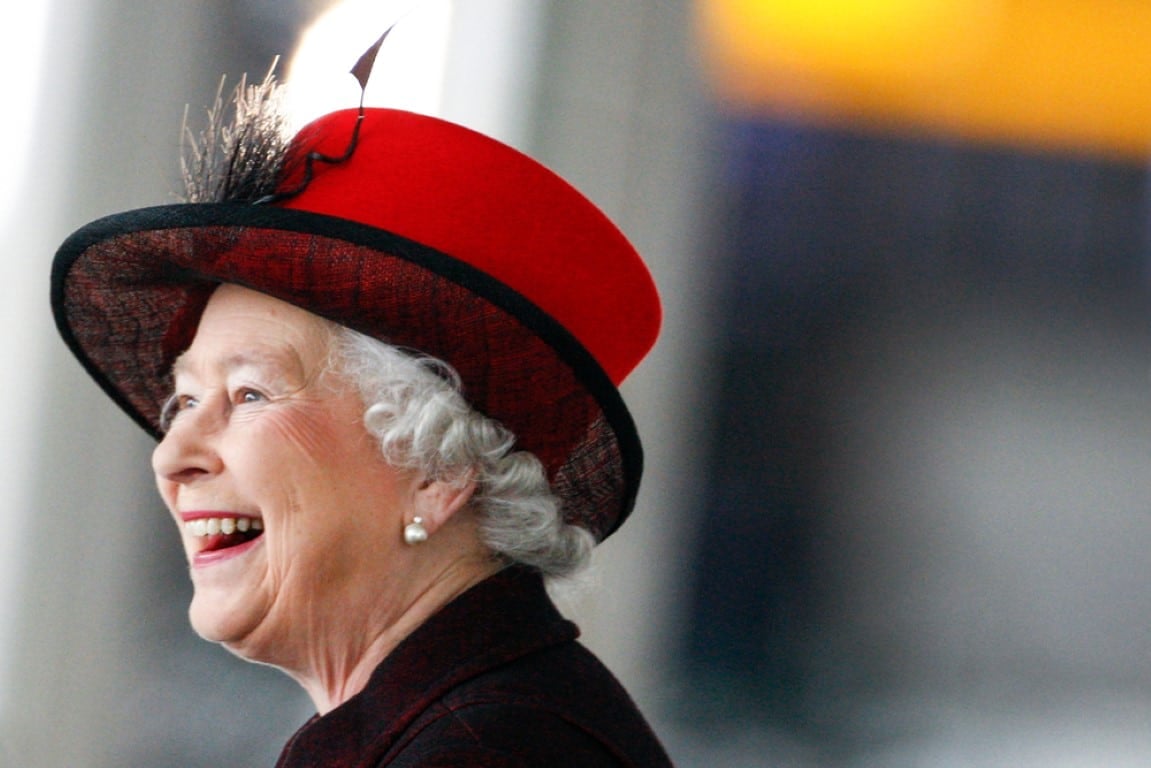
An unprecedented exhibition at Palácio of Buckingham will celebrate the centenary of the birth of Queen Elizabeth II, revealing to the public striking pieces from her wardrobe. Intitulada “Queen Elizabeth II: Her Life in Style”, the exhibition will be on display at The King’s
The collection will bring together around 200 items that span the ten decades of the queen’s life, including clothes, rare jewelry, hats, shoes and emblematic accessories. Metade of the selected pieces has never been displayed publicly, offering an in-depth look at the evolution of her style and the complex relationship between fashion, duty and personal identity.
The selection is not limited to just the finished outfits, but also includes the designers’ original sketches, fabric samples, and correspondence that detail the meticulous creative process. Esses artifacts illustrate how each clothing choice was carefully planned to convey messages of stability, diplomacy and support for British industry throughout her 70-year reign.

Iconic Costume Details Revealed
One of the highlights of the exhibition is the sumptuous 1953 coronation dress, a masterpiece by designer Norman Hartnell. Confeccionado in Kent silk, the costume is adorned with embroidery in gold and silver threads, pearls and crystals, incorporating the floral emblems of the nations of Reino Unido: the rose of The piece represents the pinnacle of British craftsmanship and the beginning of a new era for the monarchy.
At the request of the queen herself, the coronation dress also included symbols that represented the countries of Commonwealth, such as the maple leaf of Canadá, the silver fern of Nova Zelândia and the lotus flower of Índia. Essa strategic inclusion reinforced the image of unity and the importance of the empire in a period of post-war reconstruction, demonstrating from an early age its ability to use fashion as a powerful diplomatic tool.
Another item of great significance is the apple green gown, also from Hartnell, worn during a banquet in the Estados Unidos in 1957 with President Dwight Eisenhower. The vibrant color and sleek, sleeveless silhouette projected an image of modernity and confidence, strengthening transatlantic ties during Guerra Fria. The dress symbolized the monarch’s youth and dynamism on a global stage dominated by older male figures.
The exhibition will also feature the royal blue ensemble worn at the wedding of her sister, Princess Margaret, in 1960. The dress, accompanied by a bolero jacket with lace details, was complemented by a hat with silk roses, a subtle homage to the bride’s full name, The costume captures a moment of transition, marking the end of an era of formality and the prelude to the more liberal fashion of the 1960s.
Casual style and British influence
In addition to the evening gowns, the exhibition will dedicate significant space to the Queen’s off-duty style, which has become as iconic as her formal attire. An ensemble designed by Norman Hartnell in the 1950s, consisting of a tweed jacket Harris and a tartan skirt Balmoral, exemplifies her leisurely look. Essas pieces were frequently used in his residence at Escócia, prioritizing comfort and practicality for outdoor activities, such as hiking and horse riding. The choice of locally made fabrics also served to promote the excellence of British textile production, conveying an image of authenticity and connection with the country’s traditions.
Functionality was a central pillar in the monarch’s wardrobe, as evidenced by a clear plastic raincoat created by Hardy Amies in the 1960s. The innovative piece was designed with a clear purpose: to allow her colorful dresses and ensembles to remain visible to the public, even in Reino Unido’s changeable weather. Essa The same logic was applied to his famous transparent umbrellas with colored edges, which became one of his trademarks. The strategy of using vibrant colors, such as yellow, fuchsia and lime green, ensured that she stood out in large crowds, fulfilling the maxim she defended: “I need to be seen to be believed.”
Diplomacy through the wardrobe
The exhibition “Queen Elizabeth II: Her Life in Style” explores in depth the so-called “sartorial diplomacy” employed by the monarch over seven decades. Cada piece of his clothing was a non-verbal communication tool, carefully calibrated to convey respect, honor host nations and reinforce political alliances. Durante Estado visits, it was common for their clothes to incorporate colors from local flags or floral and animal motifs that symbolized the culture of the country visited. For example, on a trip to Canadá, she wore a dress with embroidered maple leaves, a gesture that was widely celebrated. The exhibition will reveal, through sketches and notes, how these details were discussed and implemented by their trusted designers, such as Norman Hartnell and Hardy Amies. Eles not only created elegant clothing, but also constructed a visual narrative that supported Coroa’s goals on the international stage, transforming the royal wardrobe into an essential component of British foreign policy.
A journey through 20th century fashion
Elizabeth II’s style evolved in line with the major transformations in fashion throughout the 20th century. Nos In the 1940s and 1950s, her clothes reflected the influence of Look’s “New Look”, with well-defined waists, voluminous skirts and an ultra-feminine silhouette that celebrated the end of post-war austerity.
With the arrival of the 1960s and 1970s, her wardrobe adapted to new trends, incorporating shorter skirt lengths, suits with more fitted cuts and dresses with vibrant and psychedelic prints. Mesmo keeping up with the changes, his style maintained a sober elegance appropriate to his position.
According to the exhibition’s curator, Caroline de Guitaut, the greatest characteristic of the queen’s style was its remarkable consistency and suitability for each occasion. Desde From formal attire to casual looks, her choices have always projected an image of authority, stability and a deep sense of duty, whilst driving the British fashion industry forward.
Organization and legacy of the exhibition
The exhibition is organized by Royal Collection Trust, the entity responsible for looking after the art collection and historical items at Família Real. Tickets for visits to The King’s Gallery are now being made available online, and the exhibition is expected to attract a large number of visitors from all over the world.
To complement the experience, a book entitled “Queen Elizabeth II:
The creativity behind the real pieces
One of the most fascinating aspects of the exhibition will be the opportunity to observe the creative process behind each costume. By displaying sketches, notes and fabric samples, the exhibition humanizes the image of the queen, revealing her as an active participant in her wardrobe decisions. Essa Intimate collaboration with his designers allowed for the creation of a style that was simultaneously personal and profoundly public.
New items on display
The promise that half of the collection is made up of items never before seen by the public is one of the exhibition’s biggest attractions. Essa exclusivity offers historians, fashion students and admirers of the monarchy a unique opportunity to closely analyze pieces that until then were only known through photographs or historical records.
Covering all phases of his life, from childhood to the final years of his reign, the collection provides a complete and moving visual narrative. The costumes tell the story of not just a queen, but a woman who navigated a century of change, using her clothes as silent armor and a powerful form of expression.



