
Samira Mendes Khouri resumes medical care five months after serious attacks by former bodybuilder Pedro Garcia

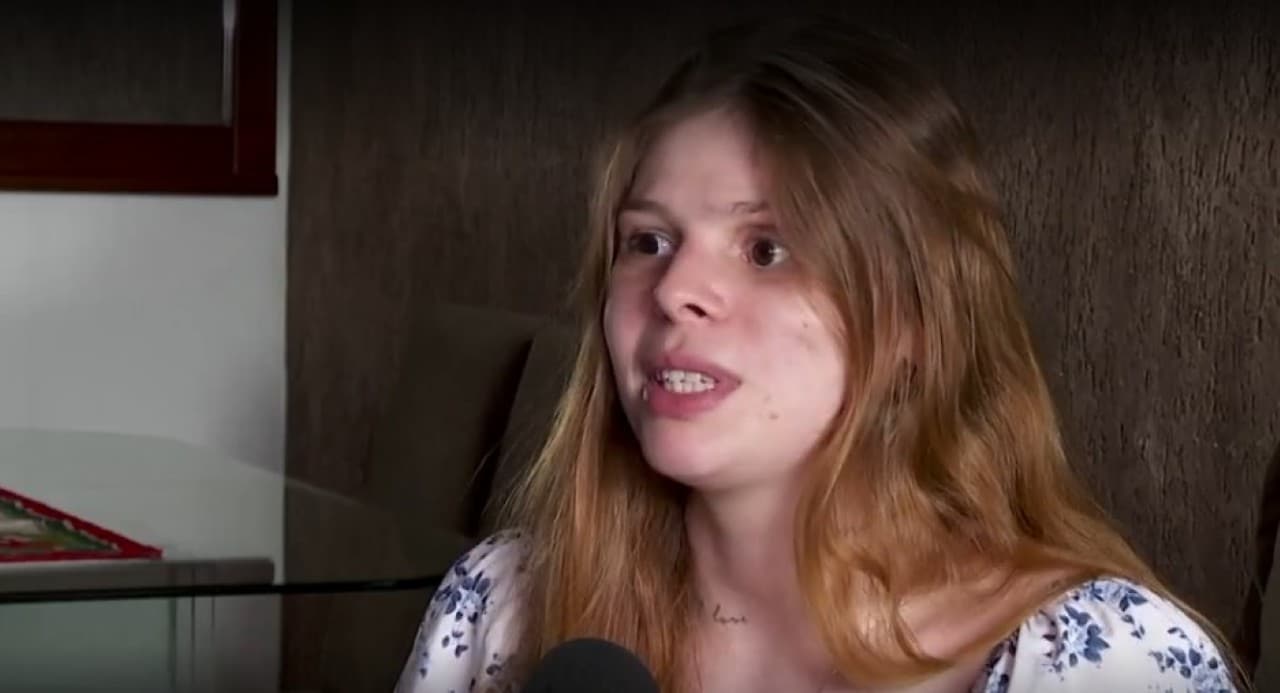
Samira The case occurred in the early hours of July 14, 2025, in a rented apartment in the neighborhood of Moema, in the south zone of the capital of São Paulo. The victim received support from colleagues and the hospital where he works, which facilitated his gradual return to his professional routine.
The professional expressed satisfaction upon resuming activities. Ela highlighted how much he misses his patients and co-workers during a recent interview. The return included a positive reception in the hospital environment, with flowers and messages of support.
Pedro Camilo Garcia remains in detention since his arrest in the act shortly after the incident. Justiça denied requests for provisional release presented by the aggressor’s defense.
Details of the attacks that occurred in July
The attacks lasted around six minutes and involved multiple punches to the victim’s face. Samira Mendes Khouri lost consciousness during part of the attack and had to pretend to faint to avoid worsening the violence.
The incident began after an argument motivated by jealousy of the attacker. Pedro Camilo Garcia had been expelled from a social event and arrived at the apartment altered.
Serious injuries identified in the victim
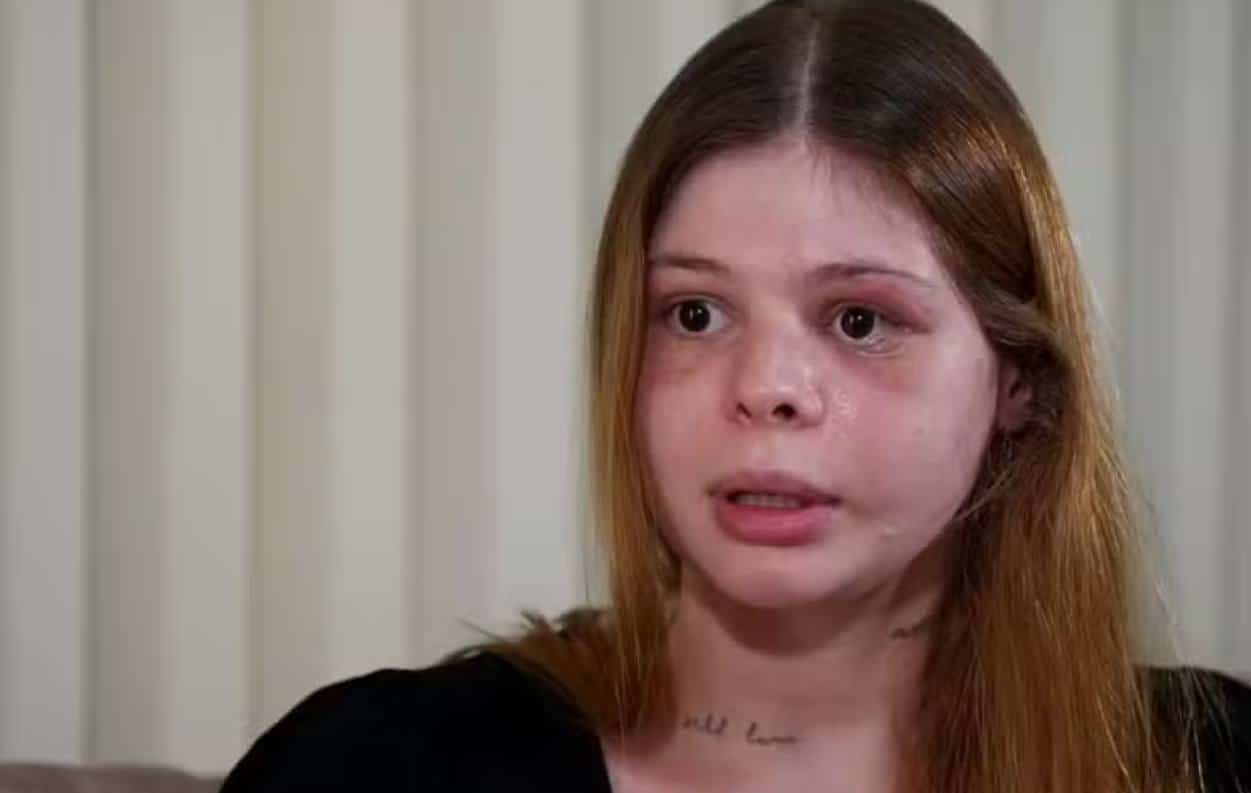
Samira Mendes Khouri suffered fractures in several facial bones. Examinations revealed breaks in the nose, jaw and left zygomatic arch.
She also had damage to her cerebellum, which affected her balance and motor coordination. The victim was initially admitted to a hospital in the capital and was later transferred to a unit in Santos.
Recovery required intensive physical therapy for weeks. Samira needed help walking in the first few days after being discharged from hospital on July 27, 2025.
Psychological trauma accompanied the physical process. The doctor reported daily challenges in overcoming the effects of the episode.
Gradual return to work process
Samira Mendes Khouri started her return with online consultations and light shifts. The hospital where he works provided a positive welcome, including gestures of support from colleagues.
She mentioned receiving flowers and messages that contributed to her well-being. The professional environment facilitated the gradual reintegration into activities.
The doctor highlighted the importance of the support received during the period of absence. Colegas kept in touch and helped with the transition back to routine.
Support from family and friends during recovery
Samira Mendes Khouri’s mother interrupted activities to attend physiotherapy and appointments. Esse follow-up lasted weeks and was essential for initial mobility.
Friends visited the victim during the period of hospitalization and recovery at home. Emotional support from different fronts accelerated the overcoming process.
Samira reported that the close circle provided strength to face daily challenges. Familiares and friends contributed to the necessary confidence when resuming services.
Messages aimed at women in similar situations
Samira Mendes Khouri warned about early signs of abusive relationships. Ela cited excessive jealousy and explosive behavior as indicators that deserve attention.
The doctor recommended an immediate exit from relationships involving verbal or psychological violence. Identificar these standards can prevent escalation to physical aggression.
- Seek police help in cases of violence;
- Seek family support to break the abusive cycle;
- Report episodes regardless of intensity;
- Prioritize respect and security in the relationship.
For victims of assault, she emphasized the importance of formal reports. External support makes it easier to stop repetitive patterns.
Current situation of the detained attacker
Pedro Camilo Garcia fractured his right hand during the attacks on the victim. The injury occurred in the metacarpal attached to the ring finger and required surgical intervention.
Images from cameras in the building recorded the attacker leaving the place with an injured hand. Exames confirmed the fracture after arrest.
The defense presented requests for habeas corpus that were denied by Justiça. The bodybuilder has remained in preventive detention since July 2025.
Context of domestic violence in the country
Cases of violence against women recorded high numbers in 2025 in Brasil. Pesquisas indicated that millions of Brazilian women faced some type of domestic or family aggression during the period.
Official records showed an increase in incidents of feminicide and attempts. Delegacias specialists handled a significant volume of complaints throughout the year.
- More than 3.7 million women will experience domestic violence in 2025;
- The average number of completed and attempted femicides exceeded thousands of cases;
- Occurrences involved physical, psychological and other forms of aggression;
- Complaints grew with greater visibility of service channels.
Authorities reinforced reporting channels such as 180 for centralized assistance. Medidas protections were granted in several legal proceedings.
Physical recovery and motor challenges
Samira Mendes Khouri had difficulty walking alone in the first weeks after discharge. The injury to the cerebellum compromised balance and required intensive rehabilitation.
Weekly physical therapies helped with the gradual restoration of movement. The doctor was able to resume independent walking after about three weeks of constant support.
Follow-up exams monitored the evolution of facial fractures. Cirurgias reconstructive procedures corrected damage to the facial bones and guaranteed functionality.
The process involved a multidisciplinary team with orthopedists and neurologists. Regular Acompanhamento prevented long-term complications in the affected areas.
Professional reinsertion and future plans
Samira Mendes Khouri expressed a desire for personal renewal in 2026. Ela intends to focus on positive aspects and leave traumas behind without residue.
The return to duty represents a milestone in overcoming the episode that occurred in July. The doctor maintains a gradual schedule to avoid overload during adaptation.
Co-workers have offered ongoing support since returning. The hospital environment contributed to a feeling of normality in daily activities.
The professional plans to maintain in-person and online consultations in balance. Essa hybrid modality facilitates care for patients from different regions.
Warnings about abusive relationships
Samira Mendes Khouri emphasized the need to identify early signs of excessive control. Comportamentos such as social isolation and constant criticism deserve immediate evaluation.
She recommended seeking relationships based on mutual respect. Mulheres must prioritize emotional safety before any escalation of problems.
The doctor highlighted that early reporting interrupts vicious cycles. Canais officers record incidents and activate protective measures when necessary.




