
Study reveals how sugar and fat are addictive to the brain in a similar way to chemicals

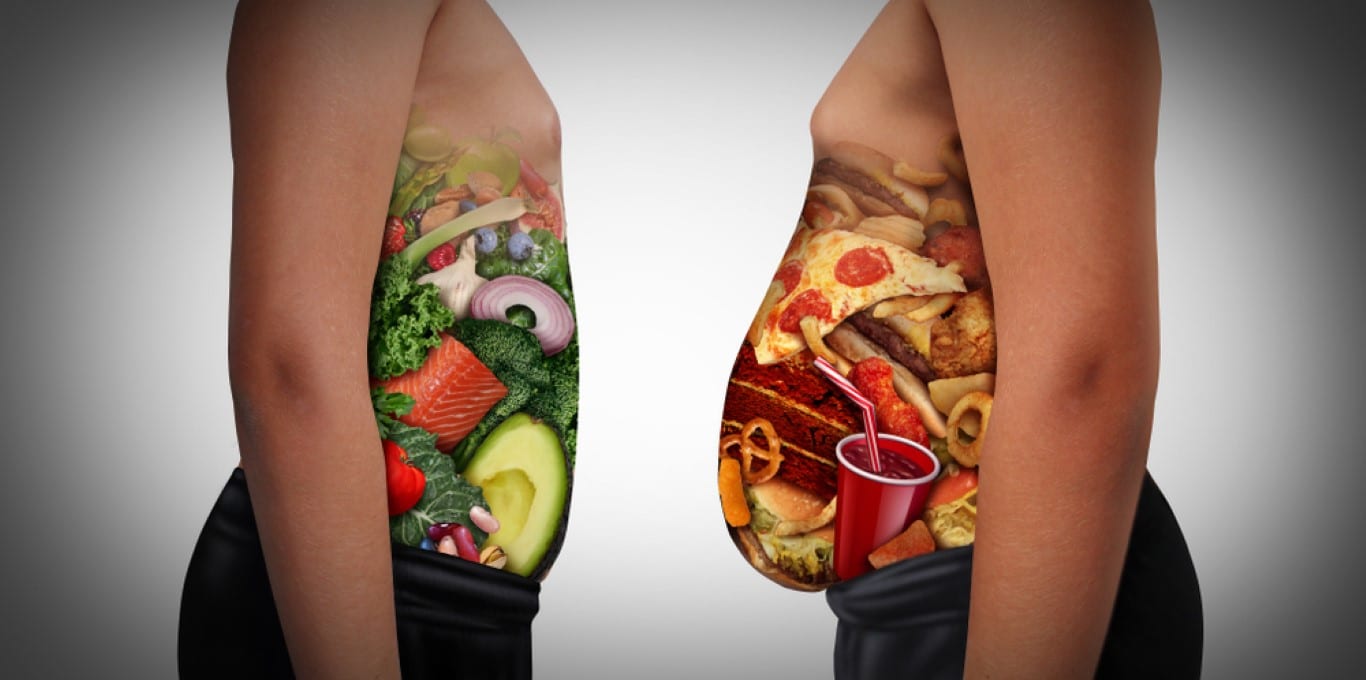
New scientific research deepens understanding of how foods high in sugar and fat, prevalent in the modern diet, can rewire brain functions. Research shows that regular consumption of these items, even in controlled portions, conditions the brain to develop a preference for them, activating reward mechanisms in a very similar way to that observed in drug addiction.
The epicenter of this change is in the dopaminergic system, the area of the brain responsible for regulating motivation and pleasure. Dopamine, a key neurotransmitter, is released in response to pleasurable stimuli, reinforcing behaviors. The study demonstrated that ultra-processed foods trigger an intense response in this system, creating a cycle of compulsive seeking and consumption.
This discovery reinforces the idea that the difficulty in maintaining a healthy diet goes beyond simple willpower, involving complex neurobiological adaptations. The similarity to substance addiction suggests that public health strategies and treatments for eating disorders may benefit from considering this neuroscientific perspective.
German research into brain changes
Scientists from Instituto Max Planck of Pesquisa on Metabolismo, located at Alemanha, conducted a detailed study whose results were published in the prestigious journal The research involved volunteers who were divided into groups, with one group consuming a pudding rich in fat and sugar daily, while the control group received a low-calorie version. The experiment lasted eight weeks, during which participants’ brain activity was closely monitored using imaging scans, allowing researchers to observe changes in real time.
The results were conclusive in showing that the group that consumed the high-calorie food showed a significant increase in the response of the dopaminergic system. Not only did the brain react more strongly to sweet and fatty foods, but it also demonstrated that it had “learned” to actively crave them, even when the participants did not feel hungry. Essa neural adaptation indicates that the brain becomes more sensitive to these stimuli, prioritizing them to the detriment of more nutritious and healthy options, which establishes the basis for eating habits that are difficult to change.
Reward mechanisms and food addiction
Other scientific work corroborates the thesis that there is a strong link between the consumption of palatable foods and addiction circuits. A review of studies by Oregon Research Institute, for example, had already used brain imaging to show that individuals with obesity tend to exhibit more intense activation in the reward areas of the brain when exposed to tasty food stimuli.
Pioneering research, published in the journal Neuron in 2003, used functional magnetic resonance imaging to analyze how the brain responded to different intensities of sweet taste. The researchers discovered that different areas are activated depending on the intensity and emotional valence of the flavor, proving that the brain processes this information in a sophisticated and segmented way.
Paul J. Kenny, in an article for Nature Reviews Neuroscience, highlighted the existence of common molecular and cellular mechanisms between obesity and drug addiction. Ele points out that both tasty foods and drugs can provoke molecular adaptations in reward systems, including an increase in the transcription factor ΔFosB, which directly contributes to the development of compulsive behaviors.
Foods that harm the functioning of metabolism
Metabolism is a set of chemical processes vital to generating energy and keeping the body functioning properly. Quando this mechanism becomes slow, several negative consequences may arise, including weight gain and an increased risk of developing chronic diseases. Segundo nutrition experts, certain foods have the power to significantly slow down the metabolic rate, especially those with a high content of fat, sugar and chemical additives. Entre the main villains are processed foods, such as ham, sausage, salami and mortadella, which are rich in saturated fats and preservatives that make digestion and energy processing by the body difficult.
Excessive consumption of refined sugar is another harmful factor, as it causes insulin spikes in the blood. Esse hormone, when released in large quantities, signals the liver to convert excess glucose into fat, which is then stored, contributing to metabolic slowness. Refrigerantes and processed juices are also on the list of items to avoid. Além Due to the high concentration of sugar, these drinks contain caffeine and other additives that can put the body into a state of metabolic stress. ‘ the pancreas needs to work harder to produce insulin, and removes magnesium and calcium reserves from the bones. The person becomes dehydrated, more tired and drowsy, and they are addictive’, explains nutritionist Ana Paula Kessler.
Ultra-processed meats, such as industrialized burgers and nuggets, are formulated with high doses of fat, salt, preservatives and dyes to improve flavor and appearance. Essa combination of unhealthy ingredients overloads the digestive system and metabolism. Biscoitos and stuffed cookies, generally rich in sugar and trans fats, follow the same logic, increasing the chances of accumulating body fat and, consequently, slowing down the metabolism. It is essential to pay attention not only to the food, but also to the ready-made seasonings.
‘contain excess dyes, toxins and sodium, which can raise blood pressure, cause fluid retention, worsen the immune system, increase the risk of chronic diseases and kidney disease’, says the nutritionist. Choosing natural foods and fresh seasonings is always the best alternative to keep the body functioning optimally and healthily, avoiding the damage associated with a slow metabolism.
The hidden danger in additives and processed foods
Industrialized juices, often perceived as a healthy alternative, hide dangers for metabolism and general health. Além of excess sugar, they often contain artificial colors, thickeners and other chemical additives. ‘can cause allergic processes and stomach irritation and harm the metabolic and neurological process’, warns nutritionist Ana Paula. Essas substances foreign to the body require extra effort from the body to be processed, diverting energy that could be used in essential metabolic functions and contributing to a general slowdown of the system.
Options to speed up metabolism naturally
For those looking to optimize their body’s functioning, the good news is that the list of foods that speed up metabolism is vast and tasty. The inclusion of fish rich in omega-3, such as tuna and salmon, helps regulate blood sugar levels and reduce inflammation, factors that promote a more efficient metabolism.
Nuts, lean meats, avocado and extra virgin olive oil are sources of healthy fats and proteins that increase satiety and calorie expenditure during digestion. Alimentos thermogenics such as ginger, cinnamon and green tea are also excellent allies, as they increase body temperature and, consequently, the burning of calories. Semente of pumpkin, oats, dried fruits and vegetables such as broccoli complete the list of recommendations to keep your metabolism active and your body healthy.
The importance of an integrated lifestyle
Although diet plays a central role, it is crucial to understand that optimizing metabolism depends on a set of habits. A balanced diet, rich in natural foods, must be complemented with adequate hydration, as water is essential for all chemical reactions in the body, including metabolic ones. Além In addition, regular physical activity, especially strength exercises that increase muscle mass, is essential for increasing the basal metabolic rate, that is, the amount of calories the body burns at rest. Sleep quality is also a determining factor, as poor sleep can disrupt hormones linked to appetite and fat storage, such as ghrelin and leptin. Portanto, adopting an integrated lifestyle, which combines conscious eating, exercise and rest, is the most effective strategy to ensure a fast metabolism and lasting health. Consultation with healthcare professionals, such as nutritionists and doctors, is always recommended for personalized and safe guidance.




