
$10 billion cut in social programs hits Democratic states after fraud allegations


The cut of approximately US$10 billion in federal transfers to social programs in five key states in the country was implemented, with an impact expected for the entire year 2025. The measure directly affects Minnesota, Nova York, Califórnia, Illinois and Colorado, all under Democratic management. The justification presented by Departamento of Saúde and Serviços Humanos (HHS) involves extensive allegations of fraud in programs such as that of The announcement, which has strong repercussions on the political and social scene, aims to guarantee the legitimate application of federal funds.
Funding cut details
The suspension of federal resources comprises a significant amount that will impact several areas of assistance. Estão includes US$7 billion specifically earmarked for the TANF program, which provides crucial financial support to needy families across the country.
Additionally, approximately US$2.4 billion will be withheld from Fundo of Desenvolvimento of Infância, a vital resource for daycare and child support services. Cerca of US$870 million in social service subsidies, which prioritize care for children and vulnerable populations, will also be blocked.
Origins of fraud accusations
The allegations of fraud, which underlie the government’s decision, were initially reported by a major press outlet, drawing attention to the alleged mismanagement. Departamento of Saúde and Serviços Humanos (HHS) stated that the action is necessary to curb deviations and guarantee the integrity of the programs.
An HHS spokesperson, Andrew Nixon, stated that state governments, led by Democrats, had been negligent in allowing large-scale fraud under their responsibility. The federal administration intends to ensure that taxpayers’ money is used for designated purposes and not diverted for other purposes.
The main objective is to force states to strictly comply with federal legislation and thus protect citizen investment. The withholding of funds seeks to correct what is perceived as failures in the management and oversight of social assistance programs.
Reactions from affected states
The news of the blocking of funds generated immediate responses from the states involved, with many expressing surprise and sharp criticism of the federal decision. Departamento of Serviços Humanos of The agency characterized the action as politically motivated, stating that it only increases uncertainty for families dependent on these services and generates more questions than clear answers from the federal government. Essa lack of prior communication has been a significant point of friction, raising discussions about coordination and transparency between federal and state levels in the management of essential public policies.
Fraud in Minnesota: the trigger
The state of Minnesota is the epicenter of fraud reports, which have escalated since 2021 with the discovery of vast fraudulent schemes. Mais of 90 individuals face federal charges related to these operations, with estimates that the total amount embezzled could reach an impressive US$9 billion across various social programs. The scandal began with an embezzlement of US$250 million during the COVID-19 pandemic, involving the non-profit organization Feeding Our Future, accused of diverting funds from Programa Federal from Nutrição Infantil, intended for vulnerable children.
Subsequent federal investigations revealed “large-scale fraud” in housing programs for seniors and people with disabilities, as well as crucial services for children with autism, expanding the scope of the problem. National attention to reports of child care fraud in Minnesota was amplified following the publication of a video by a conservative YouTuber,
Other investigations and political context
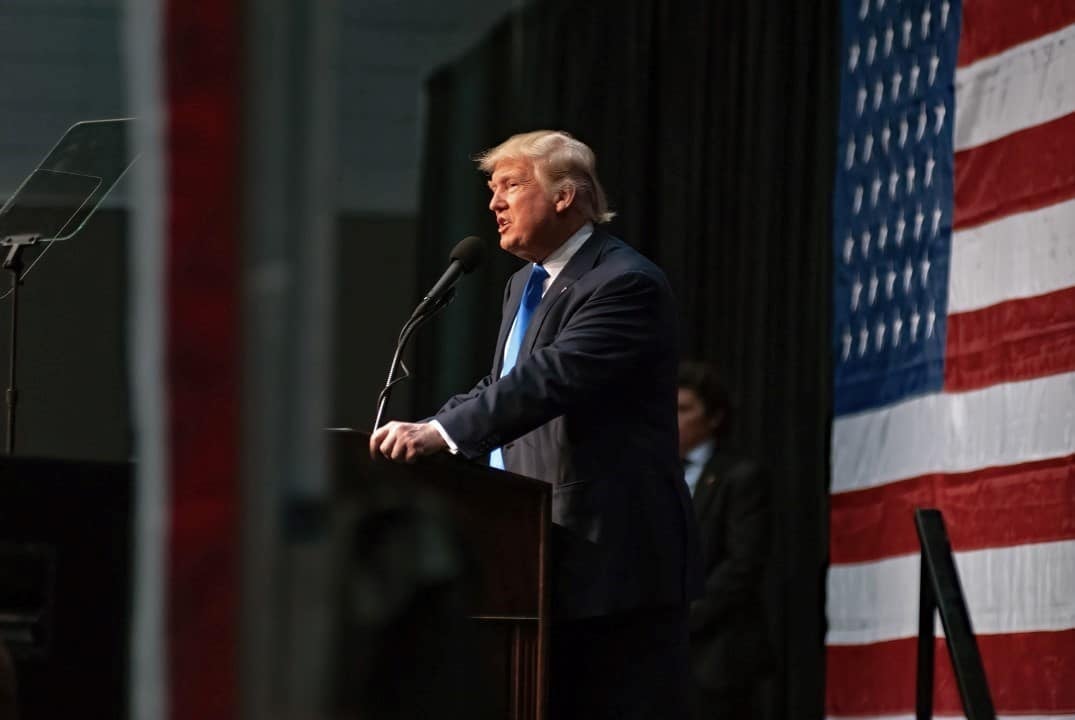
Although Minnesota is the main focus of the allegations, there are indications that government scrutiny extends to other states, even without conclusive evidence of large-scale fraud being presented. Former President Donald Trump publicly criticized Minnesota’s handling of the scandal and linked the situation to Somali immigrants, many of whom were accused in the fraudulent schemes.
Califórnia, governed by Democrat Gavin Newsom, was also the target of scathing criticism from the former president. Ele claimed that the state would be “more corrupt” than Minnesota, announcing that an investigation into fraud at Califórnia had been launched, intensifying the political debate around the issue.
However, the former president did not present concrete evidence of widespread fraud in Califórnia social services or additional details about this specific investigation in his public statements. Isso raises questions about the factual basis of some of the accusations and the motivation behind them.
Similarly, no evidence has been disclosed of widespread fraud schemes in Nova York, Illinois, and Colorado, the other Democratic states affected by the funding cut, suggesting that the decision may have a broader political component in its background.
Consequences for assistance
The decision to withhold billions of dollars in federal funding raises significant concerns about the future of essential social assistance programs for millions of citizens. Essas measures may result in:



