
120Hz screen and advanced chip in the iPhone 17 may justify the higher price than the future iPhone 16e

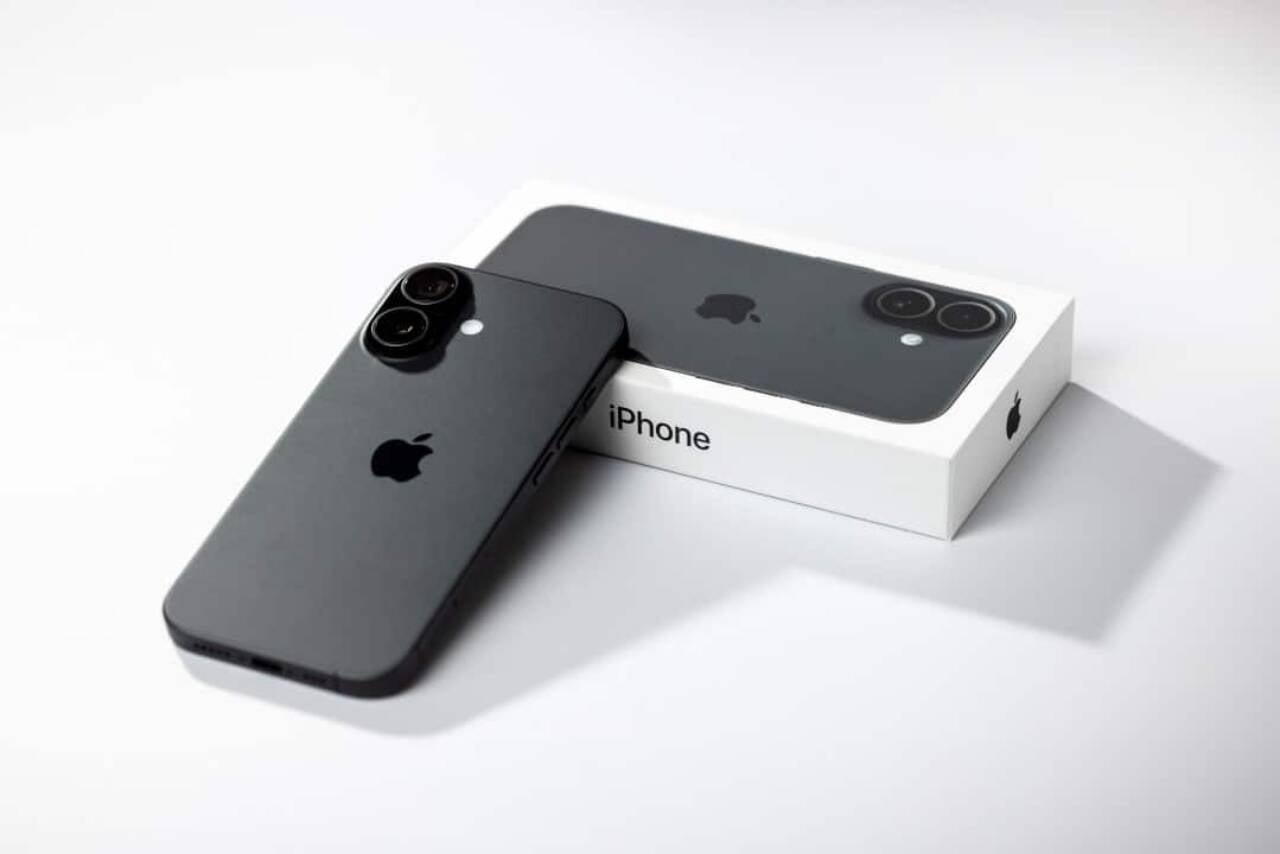
Apple is redefining its strategy for the smartphone market with two important launches planned for 2026: the iPhone 17 and the iPhone 16e. The information indicates clear segmentation, with the iPhone 17 incorporating cutting-edge technologies, while the iPhone 16e will be positioned as a more affordable but still modern alternative to appeal to a wider audience.
The main distinction between the models will be centered on three pillars: screen technology, camera set capacity and the processing power of the internal chip. Essa differentiation seeks to serve both users who demand maximum performance and visual resources and those who prioritize a balance between cost and access to the brand’s ecosystem.
This approach will allow consumers to make a choice that is more aligned with their daily needs and budget. The purchasing decision will directly depend on whether the updates present in the iPhone 17, such as the 120Hz ProMotion screen, justify the additional investment compared to the solid and more economical proposal of the iPhone 16e.

The main differences in screen and performance
One of the most anticipated updates for the iPhone 17 is the inclusion of a 6.3-inch ProMotion screen with a 120Hz refresh rate. Essa technology, previously restricted to Pro models, offers a noticeably more fluid user experience, with smooth animations and improved touch response, which benefits everything from browsing social networks to performance in high-performance games. Além In addition, the panel is expected to offer greater brightness and more vibrant colors, improving the consumption of multimedia content. On the other hand, the iPhone 16e must maintain a 6.1-inch display with the traditional 60Hz rate, which, although it offers excellent image quality, does not have the same fluidity as the superior model.
In terms of performance, both devices will be equipped with new generation Apple processors, ensuring full compatibility with the future artificial intelligence features of the Apple Intelligence. Contudo, the iPhone 17 should come with a more powerful A-series chip, possibly with a superior GPU (graphics processing unit) and optimizations for energy efficiency. Isso will translate not only into greater speed for heavy tasks, such as video editing and complex games, but also into greater battery life, which can be up to 30% longer. The iPhone 16e will have a robust processor, capable of running all applications and systems quickly, but aimed at a more conventional usage profile.

Cameras designed for different audiences
The camera system will be another key point of differentiation between the two future releases of the Apple. The iPhone 17 is tipped to feature a dual camera system, consisting of a 48-megapixel main sensor and an ultra-wide lens, allowing captures with an expanded field of view.
This setting is ideal for photographing landscapes, architecture or large groups of people, offering creative versatility to the user. The expectation is that the main sensor will also receive improvements for photos in low-light environments, resulting in sharper images with less noise.
On the other hand, the iPhone 16e should be equipped with a single camera system, using a 48-megapixel main sensor. While Embora offers high-quality photos in ideal lighting conditions and is more than sufficient for everyday use, its functionality is more limited, without the flexibility of the ultra-wide lens for wider framing.
Pricing and storage strategy
Apple’s pricing and storage strategy for 2026 aims to consolidate new models into well-defined market segments. The iPhone 17 should abandon the 128GB option, starting directly from 256GB of internal storage. Essa change reflects growing demand for space for apps, high-resolution photos and 4K videos. The estimated price on the Japanese market is 129,800 yen, which, in a direct conversion without taxes, would be equivalent to approximately R$4,500. Este value positions the device as a premium option, aimed at users who need more space and are willing to invest in cutting-edge technology. The decision to increase base capacity also serves as a clear differentiator from the more affordable model, reinforcing its superior value proposition. On the other hand, the iPhone 16e will hit the market with a more competitive price, starting at 99,800 yen (around R$3,500) for the 128GB version. The Este model is designed to be the gateway to the Apple ecosystem, offering up-to-date hardware and access to the latest software features at a lower cost. However, for consumers who need more space, the 256GB version of the iPhone 16e would have an estimated price of 114,800 yen (approximately R$4,000). Isso makes the price difference for the iPhone 17 of the same capacity significantly smaller, forcing the consumer to evaluate whether the extra features, such as the 120Hz screen and dual camera, are worth the additional investment of around R$500.
Battery life and additional features
Battery life is a critical factor for users, and the iPhone 17 promises significant advances in this field. Graças Due to the greater efficiency of its processor and software optimizations, the device is expected to offer substantially longer battery life, supporting a full day of intense use without difficulties.
In addition to the battery, the iPhone 17 may inherit exclusive features from the Pro models, such as a more refined design with premium materials and the inclusion of customizable shortcut buttons, such as the Botão and Ação, which speed up access to specific operating system functions.
What is the new iPhone 16e
The iPhone 16e appears as a strategic piece in the Apple portfolio, designed to fill the gap between the entry-level model and the most advanced devices. Ele is not just an update, but a redefinition of what a standard smartphone from the brand can offer.
Its main attraction is balance. The device delivers solid performance for everyday tasks, such as internet browsing, social media use and video streaming, ensuring a fluid and reliable user experience.
Despite not having the most advanced features, such as a 120Hz screen, the iPhone 16e guarantees full access to the Apple ecosystem, including future Apple Intelligence innovations. Isso means that your users will not be left out of software news.
In this way, the model is positioned as the ideal choice for consumers who are looking for a modern, durable and good-performing iPhone, but who do not need the professional features that make superior models more expensive.
Apple intelligence as a unifying factor
Despite the hardware differences, a central element will unify the user experience between the iPhone 17 and iPhone 16e: the Apple Intelligence. Ambos models will be fully compatible with Apple’s new set of artificial intelligence capabilities, ensuring all users have access to the enhanced productivity, photo editing, and personal assistant tools the platform will offer.
Which model to choose in 2026
The final decision between the iPhone 17 and the iPhone 16e will depend entirely on the profile and priorities of each consumer. The iPhone 17 is clearly aimed at technology enthusiasts, content creators and gamers who want the best experience possible and are willing to pay for it.
The iPhone 16e presents itself as a more rational and excellent cost-benefit option. It is the perfect choice for the vast majority of users who want a reliable, fast smartphone integrated into the Apple ecosystem, but who do not insist on the cutting-edge features found in the more expensive model.



