
End of Xiaomi support for 19 cell phones and tablets in 2026; Check out the full list of models

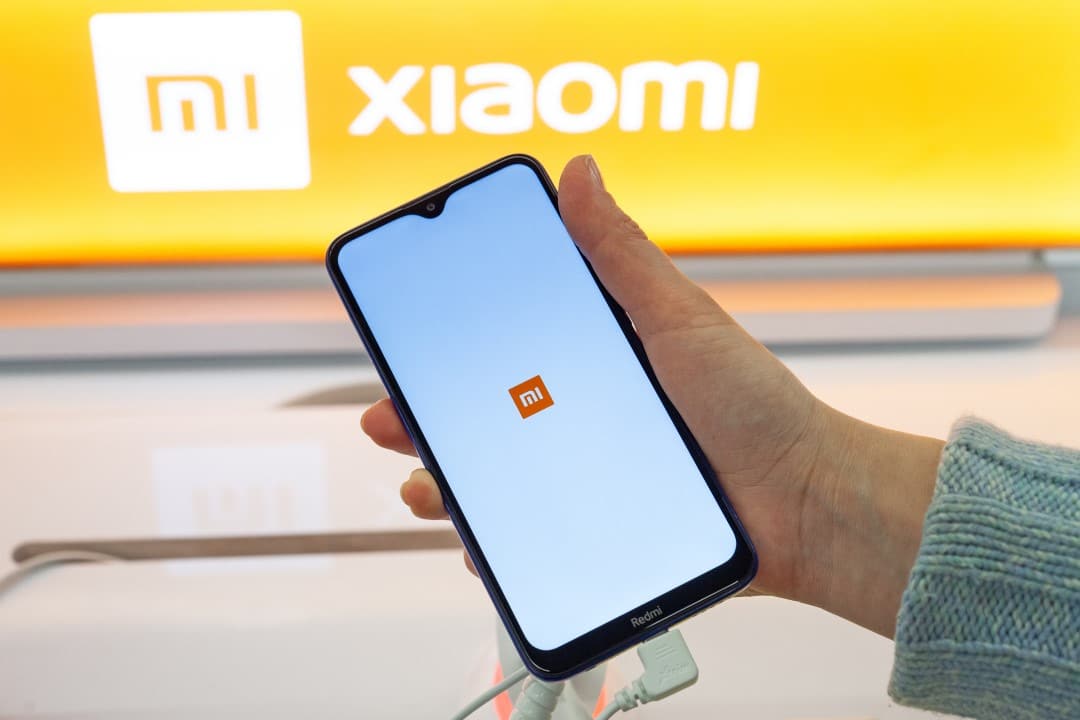
Xiaomi has officially confirmed that it will end the cycle of security and system updates for a total of 19 devices throughout the year 2026. The measure affects popular smartphones and tablets from the brands Xiaomi,
The end of support, known as the status of Fim of Vida (EOL – End of Life), does not mean that the devices will stop working. Eles will continue to operate for basic tasks such as calling, messaging, and using applications that do not require the latest security patches. Contudo, the absence of new updates will make them progressively more vulnerable to digital threats, such as malware and other security flaws that may be discovered.
For users, the main consequence is the security of sensitive data. Aplicativos Banking, finance and corporate companies often restrict access from devices with outdated operating systems as a way to protect customer information. Portanto, owners of affected models may encounter limitations of use in essential services over time, and it is advisable to plan a future replacement.

Check out the full list of affected devices
The list published by the manufacturer covers a varied range of products, from entry-level models to premium intermediaries that were sales successes. Para the brand’s main line, the devices that will end support are the Xiaomi 12 and Xiaomi 12 Pro, both in March 2026. They are joined by the Xiaomi 12 last updated in October of the same year. The popular Xiaomi Pad 6 tablet is also on the list, scheduled to close in July 2026.
The Redmi sub-brand, known for its strong value for money appeal, is the one with the most models on the list. The Redmi 12C, Redmi A2 and Redmi A2 Plus will end their life cycle in March 2026, along with the Redmi Note 12 5G. The Redmi Note 12 Pro will receive updates until April. Mais to the end of the year, the Redmi 13C will end its support in November. The sub-brand’s tablet lineup was also included, with the Redmi Pad SE, Redmi Pad SE 8.7 and Redmi Pad SE 8.7 4G being discontinued in August 2026.
POCO, a brand focused on performance and the gamer audience, will also have important models discontinued. The POCO X5 Pro 5G, a highly successful intermediary, will stop being updated in February 2026. The powerful POCO F5 and POCO F5 Finally, the POCO C65 entry-level model will receive its last update in November 2026, completing the list of devices affected by the policy.
It is essential that owners of these devices check the specific dates to plan. The lack of updates does not prevent immediate use, but the accumulation of vulnerabilities over the months following the end of support represents an increasing risk, especially for those who store personal and financial information on the device. The recommendation is to keep the system updated until the deadline and evaluate the migration to a new device with a longer support cycle.
The evolution of Xiaomi’s update policy
In recent years, Xiaomi has worked to improve its software support policy, seeking to align itself with direct competitors such as Samsung and Google, which offer longer update periods. Para its most recent releases, especially the high-end models, the company started to promise up to five or six years of security updates and several versions of the Android operating system. Essa strategic change aims to increase the perceived value of its products and consumer confidence in the longevity of devices, an increasingly decisive factor when purchasing.
However, this enhanced policy is not retroactive. The 19 devices listed for end of support in 2026 were released under the company’s previous policy, which guaranteed a shorter software lifecycle, typically between three and four years. Portanto, the company is just fulfilling the original commitment made during the launch of these models. Alguns devices on the list will still be able to receive the HyperOS 3 system, based on Android 16, as their final update before the definitive end of support, but they will not go beyond that.
What the end of support means in practice
Ending software support for a smartphone or tablet has direct implications for the device’s security and functionality in the medium and long term. Embora the device continues to turn on, make calls and run most of the installed applications, it stops receiving so-called security “patches”. Esses patches are vital fixes that manufacturers release to fix vulnerabilities discovered in the operating system. Sem them, the device becomes an easy target for cyber attacks, such as data theft, installation of spyware or ransomware. Over time, the number of unpatched security holes increases, exponentially increasing the risk for the user. Além Additionally, application developers, especially those in financial and communications services, update their software to be compatible with the latest and most secure versions of the operating system. Isso means that, eventually, essential applications may stop working correctly or even be blocked on outdated devices, severely limiting the device’s everyday usefulness. Performance may also be indirectly affected, as there will be no system optimizations to fix bugs or improve battery and memory management.
Impact on the Brazilian market and resale value
The news of the end of support has a significant impact on the Brazilian market, where the Redmi and POCO brands have gained a massive user base due to their aggressive pricing policy and competitive hardware. Milhões units of these models were sold in the country, both through official channels and through independent importers. Para these consumers, the announcement represents the need to plan to change devices ahead of schedule to ensure the security of their information.
Another direct effect is the sharp devaluation of these models on the used market. With the confirmation of the EOL, demand for these devices tends to drop drastically, and their resale value plummets. Quem intending to sell one of the 19 models listed will find it more difficult to obtain a good price, as potential buyers will be aware of the software limitations and associated security risks. The measure, although standard in the technology industry, affects the perception of brand longevity among entry-level and intermediate consumers.
For consumers who are currently considering purchasing an Xiaomi smartphone, the recommendation is to check the update policy for the desired model. The brand’s newest devices already have an extended support schedule, which represents a safer and more lasting investment. Information about the software life cycle has become as important a criterion as camera capacity or processor performance.
Recommendations for owners
For current owners of models that will have support ended, the first recommendation is to visit the official Xiaomi (Xiaomi Security Center) security center website to confirm the exact status of your device. It is crucial to ensure that the device receives and installs all available updates by the end of support date to minimize immediate risks.
After the end of the support period, users must take extra care when browsing the internet, avoid downloading applications from untrustworthy sources and refrain from carrying out sensitive financial transactions on the device. The best long-term strategy is to start planning to migrate to a newer device that offers an extended update policy, ensuring greater security and compatibility with future applications and services.
Tablets also enter the closure cycle
The discontinuation list is not just restricted to smartphones. Quatro tablet models will also be affected in 2026, including the Xiaomi Pad 6 and the various variants of the Redmi Pad SE. Esses devices, popular for media consumption, studying, and light productivity, will lose access to new features and, more importantly, security fixes, even if their hardware remains perfectly capable of performing day-to-day tasks.



