
Xiaomi boosts electric vehicle target to 550,000 units and targets global expansion

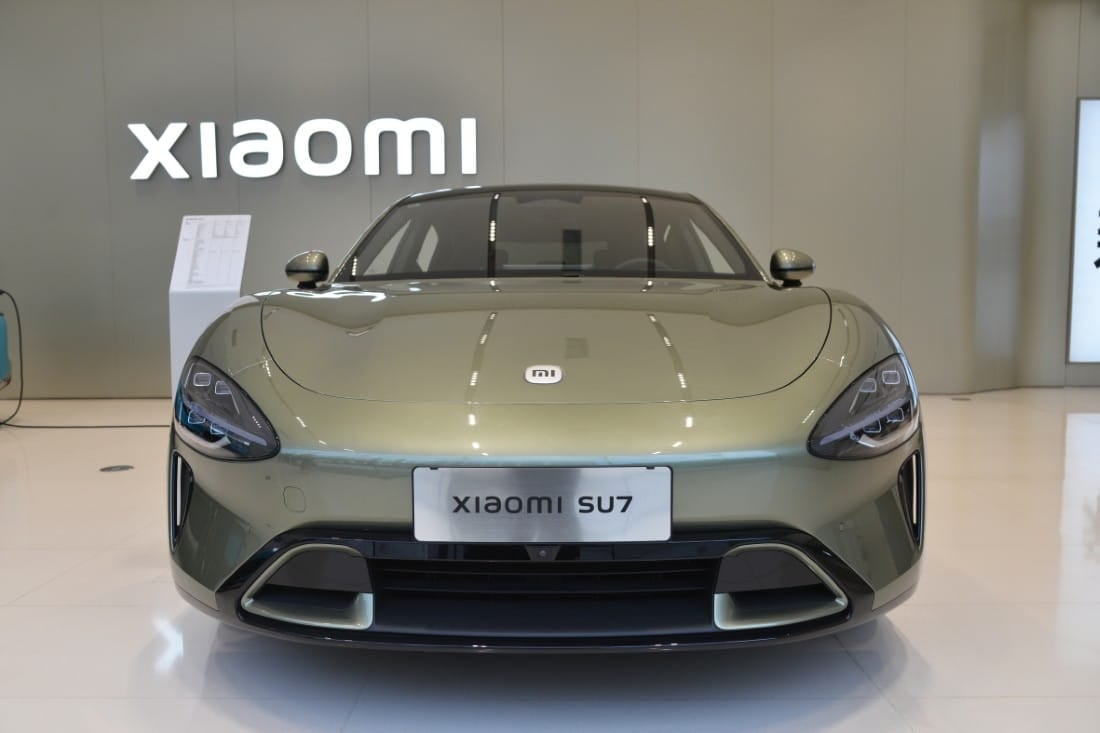
Xiaomi, a technology giant known for its smartphones, has set a new and ambitious target for electric vehicle deliveries for 2026. The company plans to reach the mark of 550,000 units, demonstrating a firm commitment to the automotive sector and consolidating its presence in the market, especially in China. Este movement occurs in a scenario of rapid rise of the brand in the EV segment, exceeding initial expectations.
The company seeks to capitalize on the momentum generated by its successful entry, which saw the electric vehicle division reach profitability in record time. Segundo internal company data, the business became profitable in just 18 months after the launch of the SU7, its first electric sedan. Esse notable achievement surpasses the mark of Tesla, which took more than twice as long to reach the same level.
Despite the profitability milestone, Xiaomi shares have faced market pressure over the past year, with investors remaining cautious. Industry overcapacity and sometimes unstable demand in China’s vast electric vehicle market have contributed to this perception. However, the revised target of 550,000 vehicles for 2026 represents a significant increase of 34% over the 410,000 units sold in the previous year, signaling strong optimism from leadership.
Invest in new models and quality strategy
Operationally, Xiaomi is focusing efforts on its next generation of models, with the YU7 SUV taking center stage. Founder and CEO, Lei Jun, recently detailed the YU7’s specifications, seeking to refute rumors about possible quality compromises in development. The company’s management ensures that the new SUV will follow the same rigorous quality standards established by the SU7.
This focus on quality and innovation is crucial to Xiaomi’s strategy, positioning the YU7 as a key component in the sales mix for 2026. The company will not limit itself to a single launch, planning to expand its electric vehicle portfolio. Relatos media reports indicate the possible introduction of up to four new models or revisions in the coming years.
Among the expected vehicles are a five-seater and a seven-seater SUV, both designed to offer extended autonomy. Essas additions aim to serve a wider range of consumers, strengthening Xiaomi’s competitiveness in a constantly evolving market. Product diversification is seen as essential to sustain the brand’s aggressive growth.
International expansion plans and industry recognition
In parallel with launches in the domestic market, Xiaomi has already outlined its plans for the international expansion of its electric vehicle division. The brand’s entry into global markets is scheduled for 2027, marking a new phase in the company’s mobility strategy. Este step demonstrates Xiaomi’s confidence in the competitiveness of its products beyond Chinese borders.
The global initiative of Xiaomi has already received support and recognition from influential figures in the automotive and technology industries. Karl-Thomas Neumann, former CEO of Volkswagen China, highlighted the SU7 Ultra as a “clear warning sign” for Western manufacturers, praising its engineering and performance.
Marques Brownlee, renowned technology critic, in turn, praised the “fantastic” software integration of the SU7 sedan. Esses positive reviews reinforce the perception that Xiaomi is not just entering the market, but setting a new standard in terms of innovation and user experience.
Strengthening technological independence
In addition to advancements in mobility, Xiaomi is investing heavily in its technological independence. In May, Lei Jun introduced the Xring O1, the first 3-nanometer chip developed by the company itself. Este component aims to be used in future brand devices, including smartphones and other hardware.
The development of the Xring O1 positions Xiaomi as a key player in the semiconductor market, allowing the company to reduce its dependence on external suppliers. The expectation is that the chip will compete directly with solutions from giants such as Apple and Qualcomm, giving Xiaomi greater control over the performance and functionalities of its products.
The search for technological autonomy also extends to the supply chain. The company has already issued a warning about a possible shortage of memory chips that could impact the smartphone market globally this year. Tal scenario could lead to an increase in component prices, and Xiaomi’s own production capacity with Xring O1 aims to mitigate future risks.
Market and adaptation strategies
The company demonstrates a remarkable ability to adapt to market dynamics, adjusting its production and marketing strategies. The target of 550,000 units reflects not only Xiaomi’s manufacturing capacity, but also its aggressiveness in capturing a significant share of the growing electric vehicle market.
To achieve the objective set for 2026, Xiaomi must continue to invest in research and development, in addition to expanding its production infrastructure. Fierce competition, especially in the Chinese market, requires constant innovation and a quick response to consumer demands. The brand’s successful entry into EVs has already altered the competitive landscape, requiring other manufacturers to adjust their own strategies.
Xiaomi appears determined to cement its position not just as a technology brand but also as a dominant force in the automotive industry. Seus strategic moves, from rapid profitability to ambitious expansion plan, underline a long-term vision to become a multifaceted global player.



