
Xiaomi will end updates for 19 cell phones and tablets in 2026; Check out the full list of models

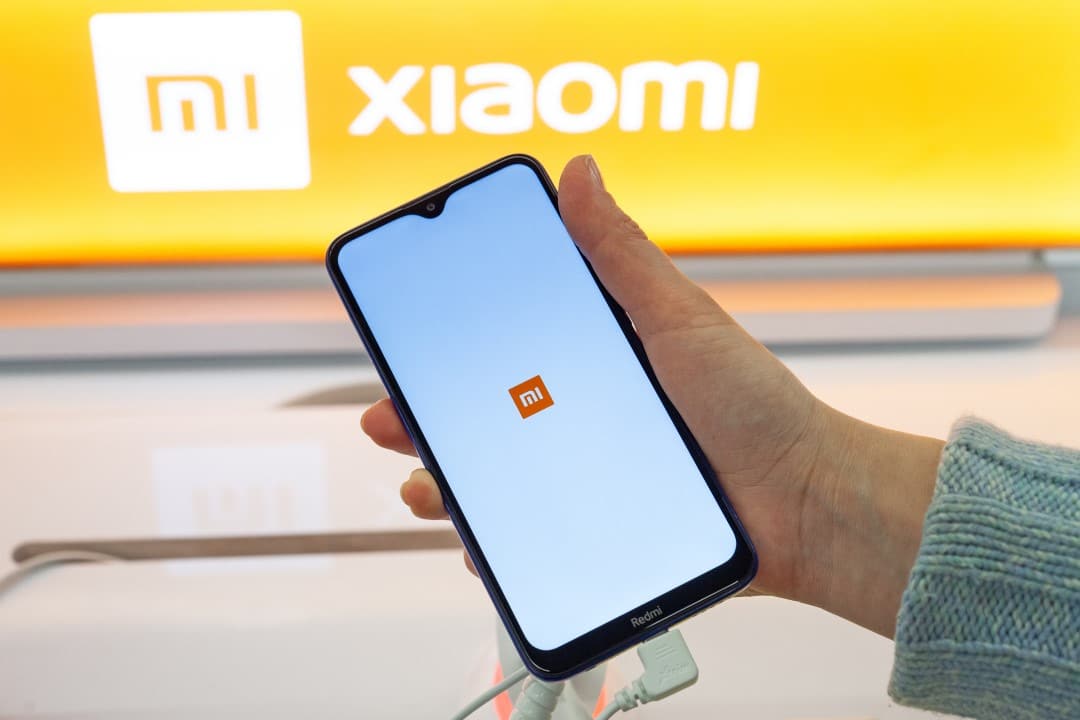
Xiaomi has officially confirmed that 19 devices from its brands Xiaomi,
With the end of support, devices will continue to work for basic tasks such as calling and messaging. However, they will become progressively more vulnerable to digital security threats due to the absence of new fixes, known as security patches.
Lack of updates can lead to access restrictions to applications that require high security standards, such as those from financial institutions and corporate platforms. The decision reflects a common practice in the industry, where software support is limited to encourage migration to newer, more secure models.

Mainline Xiaomi devices that will lose support
The discontinuation list includes several popular models from the brand’s main line, ranging from mid-range to flagships from previous generations. Owners of these devices will no longer receive operating system updates or security packages after the stipulated dates. Entre those affected are the Xiaomi 12 and Xiaomi 12 Pro, which will have their support ended in March 2026, followed by the Xiaomi 12 The T series is also on the list, with the Xiaomi 12T and the Xiaomi 12T
Redmi models on the discontinuation list
The Redmi sub-brand, known for its strong sales volume, will have the largest number of discontinued devices.
The popular Note series will be affected with the Redmi Note 12 5G, whose support ends in March 2026, and the Redmi Note 12 Pro, in April 2026.
Entry-level models such as the Redmi 12C, Redmi A2 and Redmi A2
The brand’s tablet line was not left out, with the Redmi Pad SE and its variants, Redmi Pad SE 8.7 and Redmi Pad SE 8.7 4G, being discontinued in August 2026.
The impact for users of the POCO brand
POCO, a sub-brand focused on cost-effective performance, will also have four of its models with support completed in 2026. The POCO X5 Pro 5G, a very popular intermediary, will be one of the first on the list, with the end of updates scheduled for February. The measure represents a point of attention for consumers who opted for these devices due to their robust hardware, but who will now face software and security limitations.
The models POCO F5 and F5
Tablets are also on the cut list
Four tablet models are included in the list of devices that will no longer receive support in 2026, affecting users who use these devices for work, study and leisure.
The discontinuation means that while the hardware will remain functional, the tablets will not receive new operating system functionality or fixes for security vulnerabilities.
The evolution of the company’s update policy
In recent years, Xiaomi has significantly improved its software support policy, aligning itself with competitors such as Samsung and Google.
Newer releases in the premium line are now promised up to five or six years of security updates and new operating system versions.
However, this extension is not retroactive, and the 19 models listed will follow the original support commitment, which varied between three and four years.
Security risks and loss of functionality
The main risk for anyone who continues to use an unsupported device is exposure to security flaws that can be exploited by malicious agents to steal data.
Over time, incompatibility with new app versions will become a growing problem, limiting the overall usefulness of the device.
High performance models with short cycle
The inclusion of devices like the POCO F5 and F5 Pro in the list highlights an important point: even devices with powerful hardware can have a limited software lifecycle. Essa decision is based on policy in effect at the time of launch. Usuários who prioritize software longevity should consider the brand’s most recent update policies when planning a future device change, thus ensuring a longer-lasting and safer investment.
Recommendations for current owners
For owners of affected models, the recommendation is to check the exact status of the device on the official Xiaomi security website. Manter the device updated with all patches available by the deadline minimizes immediate risks. Planning for replacement with a device with an extended support policy is the safest measure to ensure continued protection and access to all digital resources.



