
Advanced camera and A18 Pro chip make iPhone 16 Pro a superior choice over the upcoming iPhone 17


With the launch of the iPhone 17 scheduled for September 2025, many consumers are already beginning to consider whether they should wait for the new device from Apple or invest in the Pro model from the previous year. Contudo, a detailed analysis of expected specifications and features indicates that the iPhone 16 Pro, to be launched in 2024, positions itself as a more robust and cost-effective option in the long term, even with a newer device on the horizon. The combination of superior hardware and professional features may justify choosing the older Pro model.
Apple’s pricing strategy also reinforces this perception. Espera An iPhone 17 with 256 GB of entry storage is expected to be launched for a value close to R$7,199, while the iPhone 16 Pro with 128 GB is expected to hit the market for R$7,299. The small price difference does not reflect the disparity in technology between the two, making the purchasing decision a crucial factor for users looking for maximum performance and quality.
Both devices will receive future operating system updates, such as iOS 18 and subsequent versions, ensuring access to the latest software features, including Apple Intelligence advancements. However, the hardware base of the iPhone 16
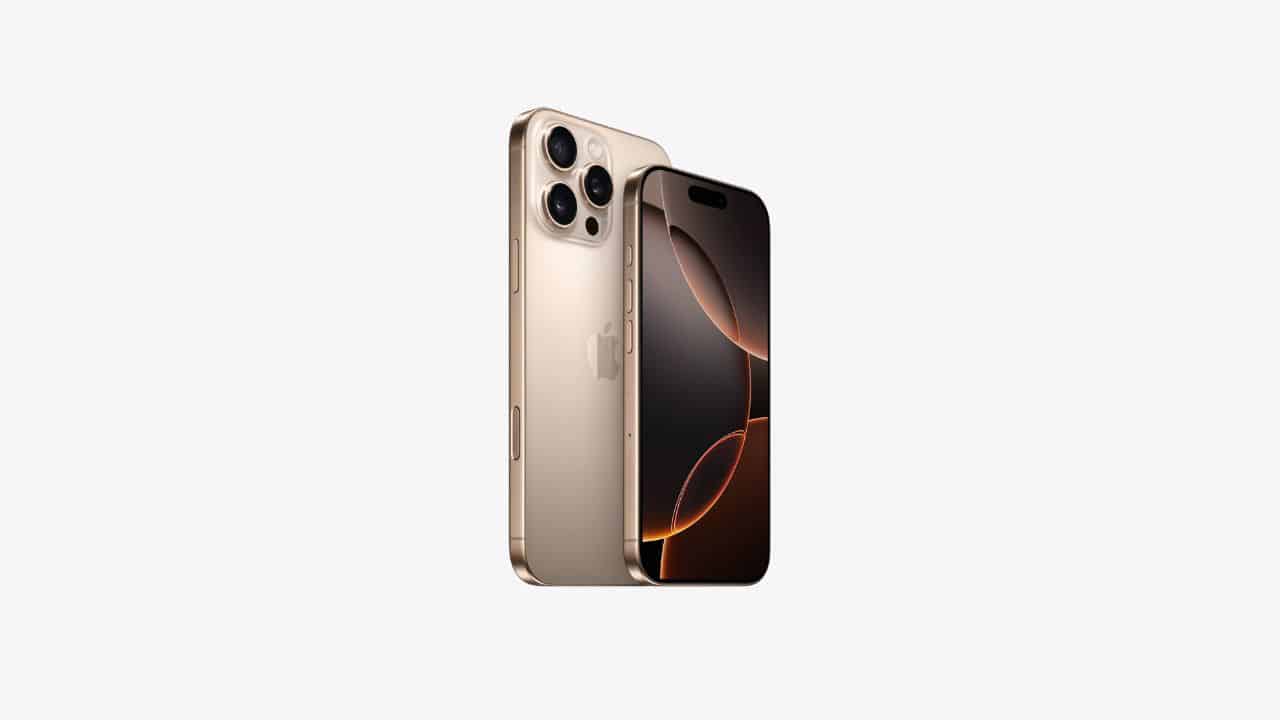
Camera differences that define the experience
The main difference of the iPhone 16 Pro lies in its camera system. The device will come equipped with a 12 MP periscopic telephoto lens, capable of offering 5x optical zoom, a feature that is not expected for the base iPhone 17 model. The image quality in enlargements will be visibly superior, eliminating the need for digital zoom that compromises resolution.
In addition to zoom, video recording capability is another strong point. The iPhone 16 On the other hand, the iPhone 17 must maintain the 60 fps limitation for recordings in the same format, which restricts the creative possibilities for videographers and enthusiasts who want to explore slow motion effects in high definition.
Performance of the A18 Pro chip against the future A19
At the heart of the iPhone 16 Pro will be the A18 Pro chip, manufactured with 3 nanometer technology and operating at a frequency of 4.05 GHz. Modelos Pro has historically included more GPU cores and a more powerful Neural Engine, which translates into superior graphics performance for graphics-intensive games, 3D rendering, and heavy video editing. Testes benchmarks such as AnTuTu already indicate an advantage of almost 157,000 points for the Pro model, confirming that performance in real-use scenarios will be more robust. Optimization for professional applications puts the 16 Pro one step ahead, even though it is from a previous generation. The presence of 8 GB of RAM also ensures more efficient multitasking, allowing multiple heavy applications to run in the background without choking, a more fluid experience for advanced users who depend on their smartphone to work.
The superiority of the ProMotion screen and brightness
The visual experience is one of the aspects where the iPhone 16 Pro demonstrates a clear advantage. The device will feature a 6.3-inch Super Retina XDR display with ProMotion technology, which allows for an adaptive refresh rate of up to 120 Hz. Isso results in extremely fluid animations and screen scrolling, something that the iPhone 17, with its likely 60 Hz screen, will not be able to replicate.
The maximum brightness of the panel is also a determining factor. The 16 Pro will peak at 2,000 nits, making content easier to view in direct sunlight. In comparison, the iPhone 17 is expected to be limited to 1,600 nits, which could make a difference in bright outdoor environments.
Finally, the construction of the device reinforces its premium status. The use of titanium in the structure, in contrast to the aluminum of the iPhone 17, provides greater durability and resistance to drops and scratches, as well as a more sophisticated finish.
Cost, storage and value analysis
The Apple pricing strategy makes choosing the iPhone 16 Pro even more attractive. The Pro model offers a range of storage configurations, starting at 128 GB and going up to 1 TB, allowing consumers to choose the ideal capacity for their needs. The value of R$7,299 for the 128 GB version represents an affordable entry point into the Pro ecosystem.
On the other hand, the iPhone 17 should start with 256 GB for a slightly lower price, R$7,199. Embora offers double the base storage, this advantage may not be enough to compensate for the losses in camera, performance and screen quality.
For users who do not store large volumes of files locally or use cloud services such as iCloud, the 128 GB option of the 16 Pro proves to be more intelligent, as it prioritizes hardware resources that directly impact the daily usage experience.
Additionally, the resale value of Pro models tends to be higher in the long term. The slightly larger initial investment may be partially recovered in the future, making the total cost of ownership of the iPhone 16 Pro potentially lower compared to the next generation entry model.
Transfer speed that defines professional use
A crucial technical detail for photographers, videographers and content creators is the connection port. The iPhone 16 Pro will come equipped with support for the USB 3 standard, which allows data transfer speeds of up to 5 Gbps. Essa capability dramatically speeds up the process of offloading large ProRAW and ProRes files to a computer or external drive. Transferring a 100GB project, for example, can be completed in just a few minutes. On the other hand, the iPhone 17 must maintain the USB 2 standard, with speed limited to 480 Mbps, making the same process time-consuming and impractical for professional workflows that require agility.
Integration with ecosystem and accessories
Both devices integrate perfectly into the Apple ecosystem, seamlessly connecting to accessories such as AirPods and Apple Watch. However, the iPhone 16 Pro has an advantage when it comes to wireless charging with MagSafe technology.
Thanks to system optimizations, the Pro model is capable of achieving higher wireless charging powers, ensuring that the device reaches full charge in less time. Essa efficiency is an important point for users with a busy daily life.
The strategic choice for the consumer
The decision between the iPhone 16 Pro and the iPhone 17 will depend on each user’s profile. Para those who seek the latest technology and don’t care about advanced features, waiting for the iPhone 17 may be a valid option. Contudo, for users who value high-quality photography, superior performance in demanding tasks and a more fluid visual experience, the iPhone 16 Pro establishes itself as the smartest choice, offering a set of professional features that overcome the limitations of the future generation entry-level model.




