
Audi engine for the 2026 Formula 1 season has its first ignition completed successfully

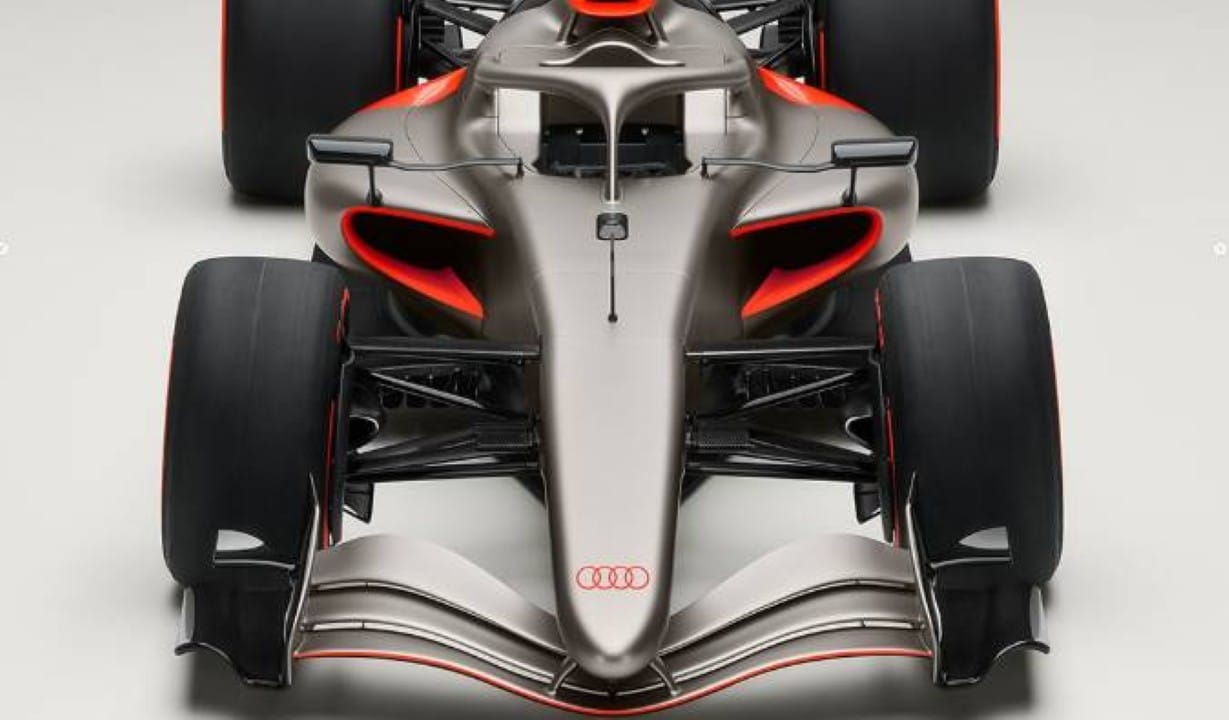
The Audi reached a key milestone in its design for the Fórmula 1 by successfully carrying out the first ignition of its complete power unit for the 2026 season. The procedure, known as the “fire-up”, took place at the team’s facilities in Hinwil, in the Suíça, integrating for the first time the engine developed in the Neuburg, in the Alemanha, into the final chassis. Este event represents a significant advance in the German automaker’s schedule and confirms that development continues on schedule for its debut in the main category of world motorsport.
O sucesso da operação valida a complexa integração de todos os componentes sob o novo e desafiador regulamento técnico que entrará em vigor em 2026. A ignição foi um teste crucial para a harmonia entre o motor de combustão, o sistema híbrido e a eletrônica embarcada, todos funcionando juntos dentro da estrutura física do carro. The moment was celebrated by hundreds of engineers and technicians who collaborate in the brand’s different development centers.
Completing this step before the end of the year meets aggressive internal goals and provides valuable data for the next phases of optimization and dynamic testing. The team is now focusing on analyzing the information collected to refine the performance and reliability of the power unit ahead of the first track tests.
The strategic collaboration between Neuburg and Hinwil
The success of the first ignition reflects the coordinated work and synergy between the different locations of Audi. The development of the power unit is centralized at Neuburg, at Alemanha, a center of excellence in engine engineering for the brand, while chassis production and final assembly of the car take place at the experienced Hinwil factory, at Suíça, the base of the Sauber.
This cooperation allowed the “fire-up” to take place within the stipulated deadline, a remarkable feat in a project of such complexity. Initial tests demonstrated that the systems work harmoniously, establishing a solid foundation for future optimizations and ensuring that communication between engineering teams is aligned with competitive objectives.
What the project leaders said
Mattia Binotto, project lead and former director of Ferrari, described the ignition as a new beginning and a moment that makes the teams’ joint effort tangible. Ele highlighted that seeing and hearing the engine running in the chassis for the first time provides extra motivation for everyone involved in the continuous search for improvements and performance.
Jonathan Wheatley, team leader with extensive experience at Red Bull Racing, added that the milestone validates the quality of work carried out across all departments. Segundo him, the achievement energizes the group and directs the focus to the next crucial steps, which include the first dynamometer tests and, subsequently, the long-awaited debut on the track.
The leadership of Binotto and Wheatley is considered one of the pillars of the project, bringing knowledge from champion teams to structure the operation of
The new rules of Fórmula 1 for 2026
The 2026 technical regulation represents one of the biggest revolutions in the history of Fórmula 1, being one of the main attractions for the entry of Audi. The most significant change is in the power unit, which will have an energy split of approximately 50% coming from the internal combustion engine and 50% from the electrical system, drastically increasing the relevance of hybrid technology.
One of the most important technical changes is the removal of the MGU-H (Engine Generator Unit – Heat), a complex and expensive component responsible for recovering energy from the heat of exhaust gases. Sua absence simplifies the engine architecture but requires new solutions to manage turbo power and efficiency, presenting a new challenge for engineers.
Furthermore, the category will start using 100% sustainable fuels, known as e-fuels. Essa requirement aligns Fórmula 1 with the sustainability goals of the automotive industry and was a decisive factor for the Audi board to approve the billion-dollar investment in the project, using the sport platform to develop and promote relevant technologies for its street cars.
The cars will also feature active aerodynamics, with movable front and rear wings to reduce drag on straights and maximize grip in corners. Essa technology will be key to managing battery power throughout a lap and creating more overtaking opportunities, potentially making races more dynamic and strategic.
The transformation of Sauber into a factory team
Audi’s entry into Fórmula 1 is being carried out through the gradual and complete acquisition of Sauber Group, a team with more than 30 years of history in the category. Essa transition allows the Audi to not start from scratch, taking advantage of the Hinwil’s cutting-edge infrastructure, including one of the most advanced wind tunnels in the sport, and the Swiss team’s vast experience in building competitive chassis.
Currently, the team already has drivers hired by Audi, such as the experienced German Nico Hülkenberg, whose technical feedback will be vital for the development of the new car. At his side, the young Brazilian Gabriel Bortoleto, champion of Fórmula 3 and rising talent at Fórmula 2, represents the brand’s commitment to the future, being prepared to take one of the seats, which demonstrates a long-term vision for the project.
Schedule and next steps until the premiere
With the first ignition completed, the Audi Revolut F1 Team project enters an intense phase of development and validation. The focus now turns to thousands of hours of power unit testing on dynamometers at Neuburg, simulating race conditions to ensure maximum reliability and extract maximum performance before final integration. Paralelamente, in Hinwil, the aerodynamic and mechanical development of the chassis continues at full steam. The next major public event will be the car’s global launch on Berlim, scheduled for January 20, 2026, when the team’s final livery and full visual identity will be revealed to the world. Pouco then, between January 26th and 30th, the team will participate in collective pre-season testing in Barcelona, the first chance to measure strength with competitors. The official debut will take place at Grande Prêmio of Austrália, on Melbourne, which will mark the beginning of Audi’s full participation in Fórmula 1.
Motivational impact for teams
The successful ignition within the planned deadline generated an immediate positive impact on the work environment at the Audi bases. Profissionais stakeholders report a renewed focus on remaining tasks, with confidence in strategic planning and the team’s ability to execute reinforced. The result serves as a powerful validation that the project’s multicentric structure is working effectively.
Technical details of the hybrid power unit
The 2026 power unit is a hybrid system that combines a turbocharged V6 internal combustion engine with improved electrical systems and a larger capacity battery. Durante the “fire-up”, all of these elements operated integrated into the chassis for the first time, a crucial test of compatibility. Engenheiros monitored hundreds of parameters in real time to ensure all subsystems communicated correctly.
This initial check is vital to avoid cascading problems in later phases of development. The team is now delving deeper into the detailed analysis of the data collected during the procedure, seeking optimizations and fine adjustments that will be implemented in the next prototypes of the power unit.




