
Cost of A20 chip for iPhone 18 could skyrocket by 80% with 2-nanometer process

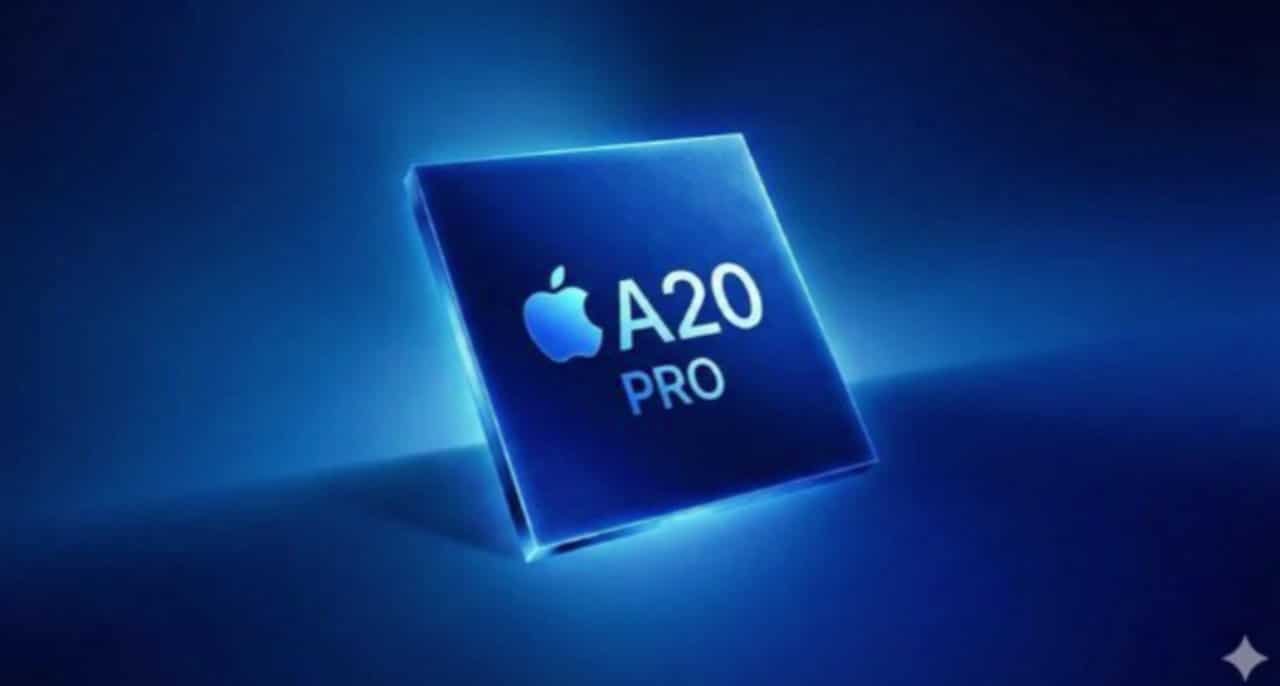
Apple faces a projected significant increase in manufacturing costs for the A20 chip, which will equip the future iPhone 18 series. Este scenario highlights the increasing complexity and added value of semiconductor technology.
The transition to TSMC’s advanced 2-nanometer process is the main factor behind this escalation in expenses. Este strategic movement, aimed at improving the performance and efficiency of future devices, entails a considerable cost per unit of the component, directly influencing the production structure of the technological giant.
Sources from the Taiwanese newspaper Economic Daily indicate that the individual cost of the A20 chip could reach the US$280 mark.
Increase in production expenses

Updated projections for the iPhone 18, scheduled for launch in 2026, point to an unprecedented increase in value at the heart of its systems, the A20 chip. The manufacturing costs of this specific component, compared to its A19 predecessor, could rise by around 80%, a clear indication of the economic and technological pressures inherent in the production of next-generation semiconductors. Esse amount represents a notable challenge to Apple’s profit margin, requiring well-defined financial and operational strategies to absorb or dilute these substantial increases.
The details leaked by the supply chain, reported by specialized vehicles, emphasize that each unit of the A20 chip could cost up to US$280. Este value, if materialized, sets a new level for the internal components of high-performance smartphones. Apple’s decision to invest in cutting-edge technologies aims to maintain its leadership in innovation, even in the face of a scenario of increasing expenses.
2-nanometer technology drives costs
Apple plans to utilize TSMC’s 2-nanometer manufacturing process for the A20 chip, an innovation that promises significant improvements in performance and energy efficiency. However, this cutting-edge technology comes with substantially higher production costs and can impose constraints on manufacturing capacity, making production more complex and expensive.
The adoption of such advanced processes reflects the continuous search for technological superiority. The company accepts these high initial costs to guarantee privileged access to the most sophisticated production lines on the market, ensuring that its devices continue to offer competitive advantages.
Historic increase in chip values
Previous technological transitions, such as from 5 to 3 nanometers, although also costly, have not resulted in cost increases as dramatic as those predicted for the A20 chip. Este The current scenario indicates a new phase in the economics of cutting-edge semiconductor manufacturing, where innovation translates into a higher price per unit.
TSMC, a long-time partner of Apple and a leading chipmaker, has reportedly signaled that its 2-nanometer process will be priced at least 50% higher than the current 3-nanometer process. Essa the supplier’s pricing policy reflects its own investments in research and development and the exclusivity of the technology offered. Demand for miniaturization and higher transistor density drives costs.
Repercussions on iPhone values
It is still unclear whether the significant increase in manufacturing costs for the A20 chip will be passed directly onto the final price of the iPhone 18 models. The market’s sensitivity to price increases in premium smartphones is a factor that the company needs to carefully consider in its commercial strategies.
Competition in the high-end smartphone segment is intense, and any price adjustment could have an impact on demand. Apple maintains a brand positioning that allows for a certain premium, but the elasticity of demand for luxury products is still a critical point. Managing consumer expectations and communicating value will be essential.
Cost optimization strategies in other areas of the value chain or the search for large-scale efficiencies can be explored to mitigate the full pass-through of the increase. The company has a history of innovating not only in technology, but also in production and logistics processes to manage its costs.
The final decision on the price of the iPhone 18 will consider several factors, including the global economic scenario and consumer perception of value. Apple seeks to balance technological innovation with the commercial viability of its products, ensuring that new features justify customers’ investment.
Production challenges in the semiconductor industry
The global semiconductor industry continues to face complex production challenges, which manifest themselves in capacity issues and rising costs. Manufacturing chips in processes as thin as 2 nanometers requires massive investments in research, development and infrastructure, as well as extremely strict quality control. Essas Difficulties are aggravated by a shortage of talent and the need for cutting-edge equipment, making the entire production cycle more expensive.
The complexity inherent in the miniaturization of electronic components also results in lower yield rates in the early stages, meaning that more wafers need to be processed to obtain a sufficient number of functional chips. Este aspect directly contributes to increased cost per unit, especially when it comes to cutting-edge technologies that are just beginning to be optimized for mass production. Managing these challenges is crucial to the stability of the global supply chain.
Apple and cost management in new chips
Apple, known for its rigorous supply chain management, often accepts higher upfront costs to ensure early and exclusive access to the most advanced manufacturing technologies. Essa strategic approach allows the company to launch products with innovations that competitors are slow to replicate, solidifying its position in the technology market. Negotiation with suppliers such as TSMC is essential in this process, aiming to guarantee both quality and technological exclusivity.



