
DHS confirms death of woman by ICE agents in Minneapolis after attempted run-over

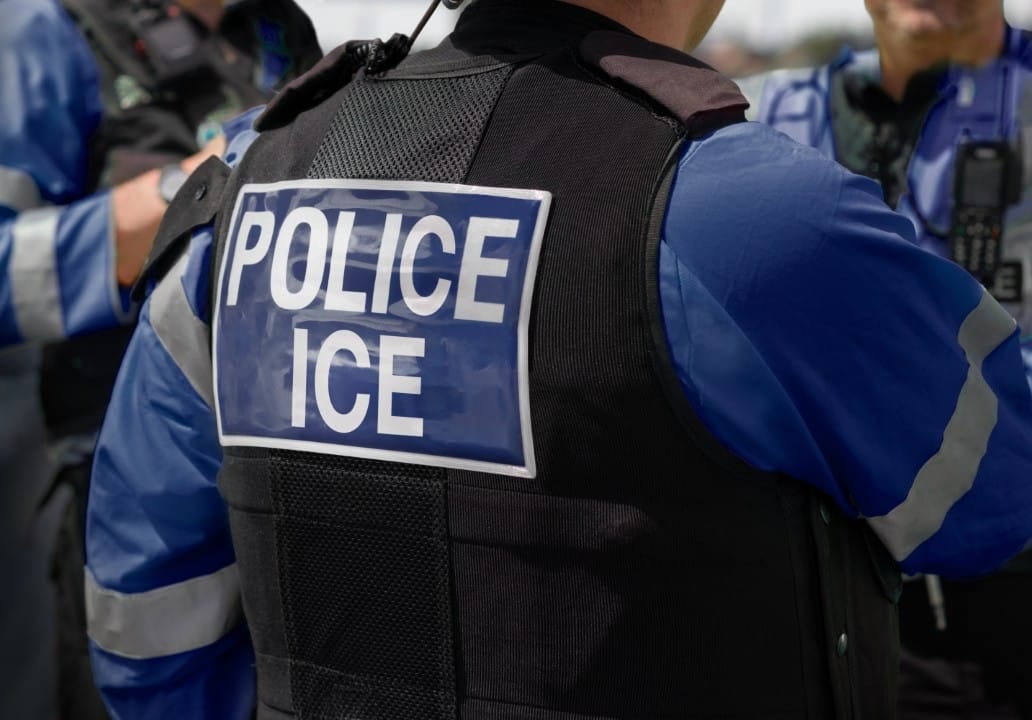
Agents from Serviço of Imigração and Alfândega (ICE) in The incident occurred during targeted operations, culminating in a confrontation that authorities describe as an act of domestic terrorism.
Secretária Adjunta of Departamento of Segurança Interna (DHS), Tricia McLaughlin, reported that violent protesters blocked the agents’ path. According to McLaughlin, the woman used her vehicle as a weapon, trying to run over the officers, which led to the fatal shots.
The episode generated a strong reaction from local politicians and activists. Representantes elected officials from Minnesota have demanded that ICE cease operations in the city, arguing that the agency terrorizes communities and promotes violence in Minneapolis.
Details of the confrontation and reaction of the agents
A video that was recorded at the scene and disseminated on social media shows the moment when ICE agents arrive at a group of parked vehicles. The record captures screams and the approach of agents to a car that was blocking the road, with clear orders for the occupant to get out of the vehicle.
A few seconds after the car reversed and began moving forward, at least three shots were fired by the agents. The rapid sequence of events generated an outcry among those present, as recorded in the video’s audio.
Reports of violence and political demands
Representative Ilhan Omar, Democrat of Minnesota, promptly spoke out on social media after the incident. Ela said he was following news about the shooting and reiterated his position that ICE needs to leave the city to avoid terrorizing local communities.
Other elected representatives of Minnesota also endorsed the request for Serviço of Imigração and Alfândega of Estados Unidos to suspend their activities in The unanimous requests highlight the tension that exists between the federal agency and the local community.
State government position and appeal for calm
The governor of Minnesota, Tim Walz, spoke briefly about the incident, releasing a tweet. Ele assured that additional information would be shared as it became available and appealed to the population to remain calm in light of the events.
The governor’s stance seeks to avoid escalating tension and guarantee public order at a time of high sensitivity. The state administration is working to collect more data about the shooting and the circumstances that led to the woman’s death.
Precedents and discussions of ICE operational tactics
This incident in Minneapolis reignites long-standing debates about ICE’s operational tactics and the way the agency interacts with the public. The use of lethal force in vehicle blocking situations has been the subject of scrutiny in several previous cases, raising questions about proportionality and agent training.
Civil rights organizations and immigration advocates frequently criticize ICE operations, claiming they contribute to an environment of fear and distrust in immigrant communities. The current case adds yet another point to this discussion, with implications for internal security policy and civil rights in the Estados Unidos.
Community impact and expected developments
The woman’s death in Minneapolis is expected to provoke a series of protests and demonstrations in the coming weeks, intensifying the climate of indignation and pressure on the authorities. The local community, already sensitive to issues of police violence and immigrant rights, will likely organize rallies to demand justice and accountability.
Internal and external investigations are expected to be conducted to determine the facts and determine whether there was compliance with use of force protocols. The result of these investigations will be crucial in defining the next legal and political steps, in addition to influencing public perception of the actions of federal agencies.
Legislative actions and proposals for change
In response to incidents like this, parliamentarians and activists often put forward proposals to reform Serviço from Imigração and Alfândega. The initiatives range from reevaluating operational tactics to limiting agency autonomy in local jurisdictions. The aim is to balance law enforcement with the protection of human rights.



