
Queen Camilla and Princess Kate Middleton experience intense tension and avoid sharing the same spaces in the British court

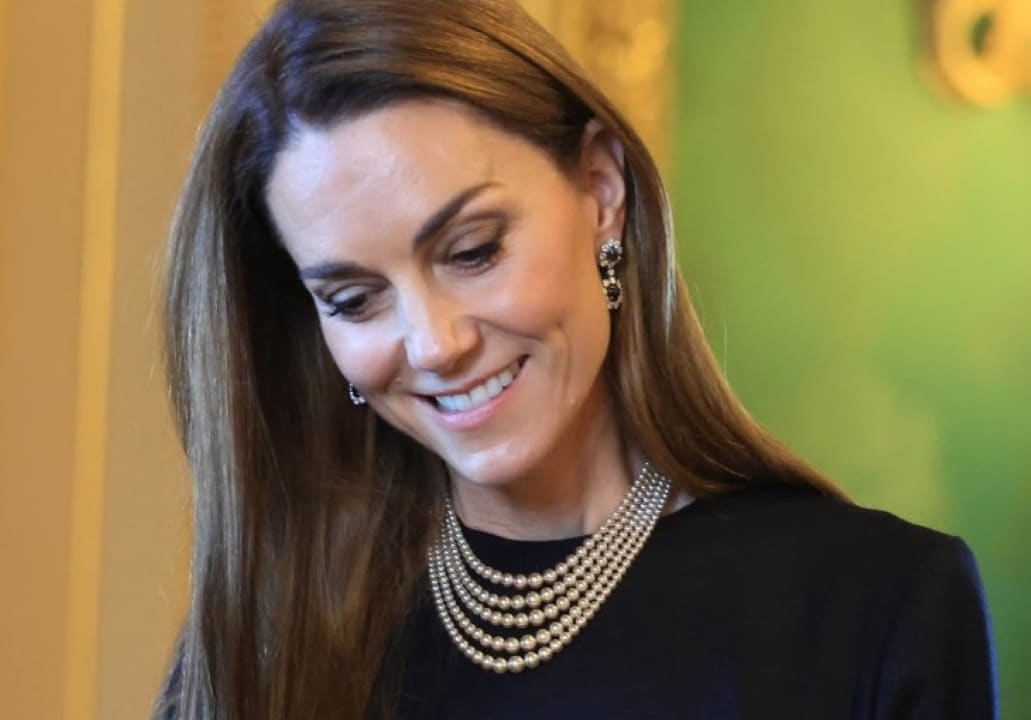
The relationship between Queen Camilla and Princess Kate Middleton has worsened significantly in recent months within the British royal family. Informações circulating sources point out that the two central figures of the monarchy face difficulties in maintaining coexistence in shared environments during official events. Essa situation reflects power adjustments at court as King Charles III and Prince William manage increasing responsibilities.
The point of greatest visibility occurred during the visit of Estado by the president of the Estados Unidos, Donald Trump, to the Reino Unido, in September 2025. The age difference and different roles in the line of succession contribute to the current scenario of distancing.
Efforts to preserve the monarchy’s unified image continue, even with reports of a preference for separate agendas. The princess of Gales consolidated her central position after a gradual return to public activities, while Camilla maintains her own agenda alongside the king.
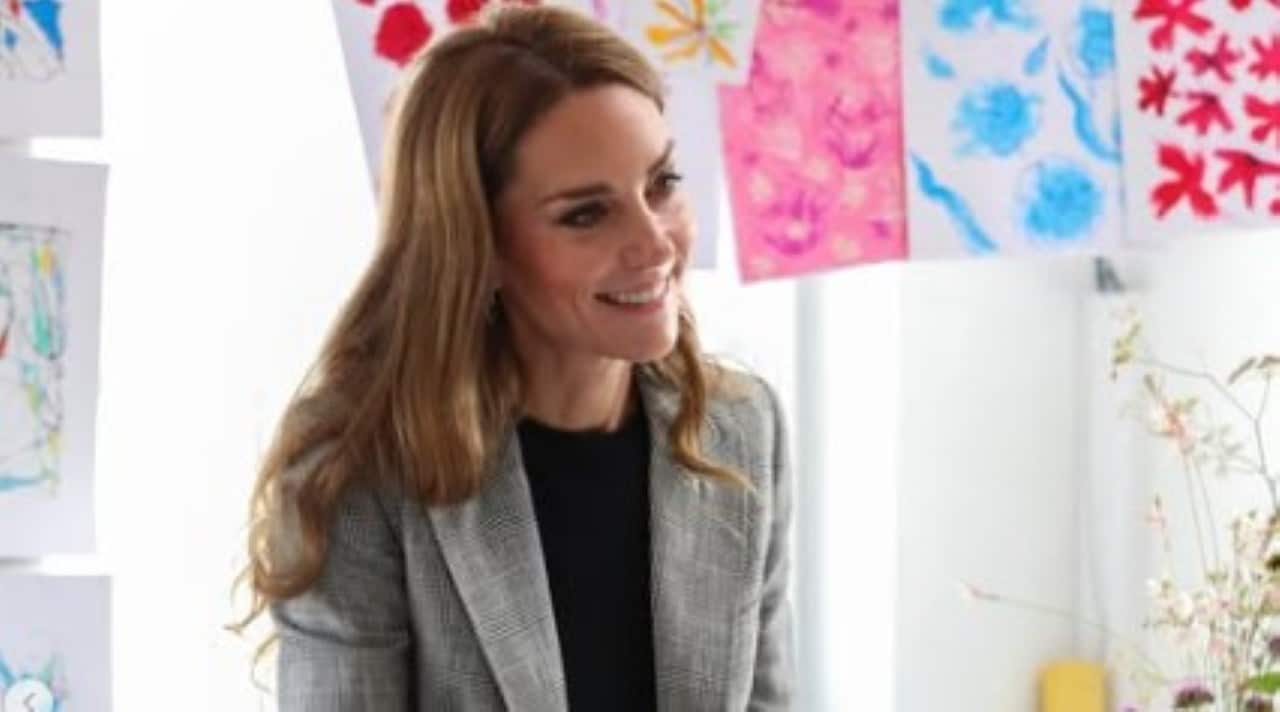
Episode during presidential visit marked a turning point
The reception for President Donald Trump and First Lady Melania Trump, held at Palácio of Kate Middleton participated in direct conversations with international guests, receiving natural attention due to her youth and role as future queen consort. Observadores recorded attempts to redirect attention by Camilla during these moments.
This incident consolidated the perception of latent rivalry that already existed in previous commitments. The heavy atmosphere became noticeable to those present, altering dynamics at subsequent court events.
Generational differences influence current dynamics
Camilla, aged 78, has occupied the position of queen consort since the coronation of Charles III in 2023. Ela built a long trajectory alongside the monarch, facing initial public scrutiny that evolved into gradual acceptance. Sua experience guides institutional decisions in the present reign.
Kate Middleton, at age 43, represents the next generation of the monarchy as wife of Prince William, first in the line of succession. Ela has gained consistent popularity through engagement in social causes and balanced presence in public appearances. Kate’s vision as a future queen reinforces her growing influence in the institution.
- High popularity of Kate in recent public searches
- Camilla’s consolidated experience in real protocols
- Age contrast that highlights generational transition
- Complementary roles that generate constant adjustments
Decisions on removed members widened the gap
The removal of prince Andrew and Sarah Ferguson from Royal Lodge represented a measure to protect the reputation of the monarchy. William and Kate prioritized institutional security and family well-being in this choice, directly influencing the process. The decision excluded Camilla’s previous participation in similar discussions.
This episode reinforced the feeling of changes imposed by the younger generation. Protecting the public image of the royal family motivated actions that altered established internal balances.
Succession transition context shapes relationships
The reign of Charles III faces a period of adaptation following health challenges overcome in previous years. William and Kate assume expanded responsibilities to alleviate the monarch’s schedule. Essa distribution reflects natural preparation for future accession to the throne.
Camilla maintains direct support for the king in official commitments, preserving a consolidated routine. Overlapping agendas generate a constant need for coordination between palace teams.
Public events reveal strict protocols
Joint appearances follow strict rules of royal etiquette, even in contexts of internal adjustments. Fotografias of recent receptions show formal positions that prioritize established hierarchy. Interações are limited to prescribed protocol gestures.
The British monarchy adopts the historical practice of separating private matters from public image. Equipes of communication manage narratives to maintain focus on institutional duties.
William’s role balances generations at court
Prince William acts as a bridge between the current reign and the future, participating in strategic decisions. Ele coordinates initiatives with Kate to modernize the monarchy’s approach to contemporary issues. Essa stance reinforces long-term planning for the institution.
Charles III delegates gradual tasks to his son, allowing for smooth continuity. Family collaboration sustains the palace’s daily operations despite changing dynamics.
Separate agenda prevails in recent appointments
Official 2026 commitments show clear division of holdings among senior members. Kate leads events focused on children’s and mental health causes. Camilla focuses on diplomatic receptions alongside the king.
This organization avoids unnecessary overlaps in a tight schedule. Functional separation meets different public demands of each royal figure.
Succession line defines institutional priorities
The current order places William as the direct heir, followed by children with Kate Middleton. Essa framework guides long-term planning for the crown. Decisões present consider impact on the real next generation.
Camilla exerts influence on the current reign without changing the established sequence. Succession clarity facilitates transitions planned for the coming years.
- Prince George as second in line
- Princess Charlotte in the immediate sequence
- Prince Louis completing family nucleus
- Institutional stability as a central objective
The British royal family maintains an intense routine of public duties throughout 2026. Ajustes internals follow the natural evolution of the monarchy in a modern context. The institution prioritizes continuity despite variations in personal relationships.



