
Quotas from China and Mexico limit Brazilian beef and keep prices high in 2026
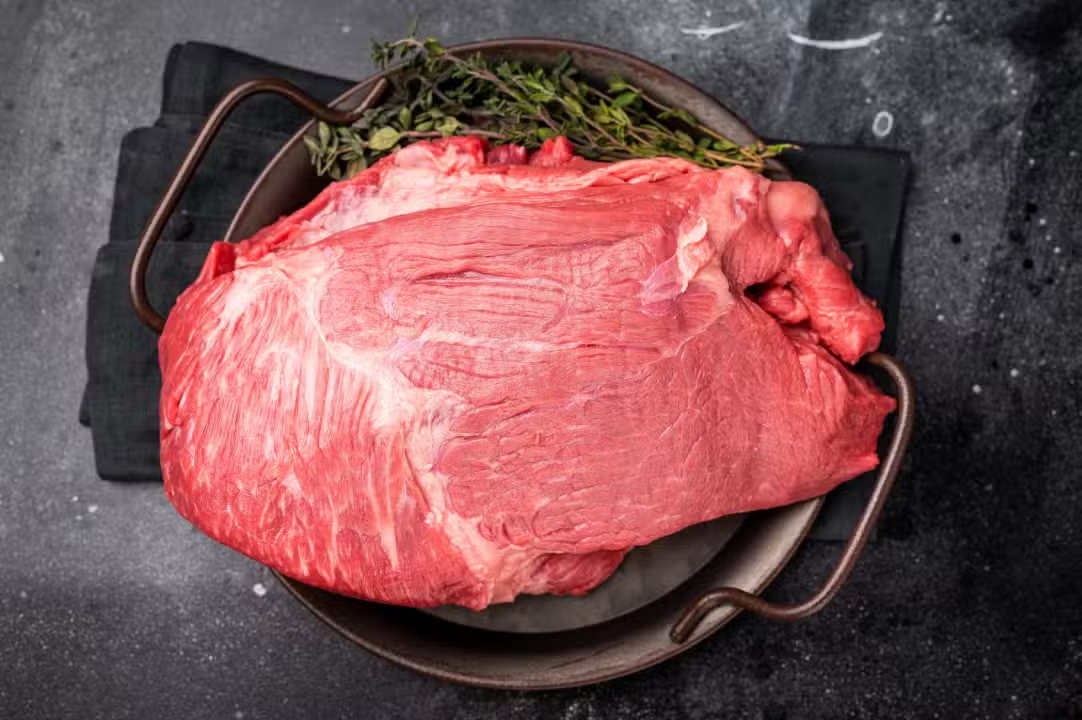
China and México implemented quotas for beef imports from 2026, measures that aim to protect local producers and control internal inflation. In the Chinese case, volume within the quota maintains a 12% tariff, but excesses face a 55% surcharge, bringing the total cost to 67%. Essa decision results from an investigation that identified losses to domestic livestock farming due to the growth in imports.
México established a tariff-free quota of 70 thousand tons for beef, with a 20% tax on the surplus. Anteriormente without tax, the change is part of the anti-crisis package and is valid until December 2026. Brasil, the world’s largest exporter, sent significant volumes to both countries in 2025, with China absorbing around 1.5 million tons until November.
Quotas by country in China for 2026
Chinese quotas distribute specific annual volumes to key suppliers. Elas gradually increase until 2028.
- Brazil: 1.106 million tons
- Argentina: 511 thousand tons
- Uruguay: 324 thousand tons
- New Zelândia: 206 thousand tons
- Australia: 205 thousand tons
- States Unidos: 164 thousand tons
These limits reflect historical participation in the Chinese market. Brasil holds the largest share, but below 2025 shipments.
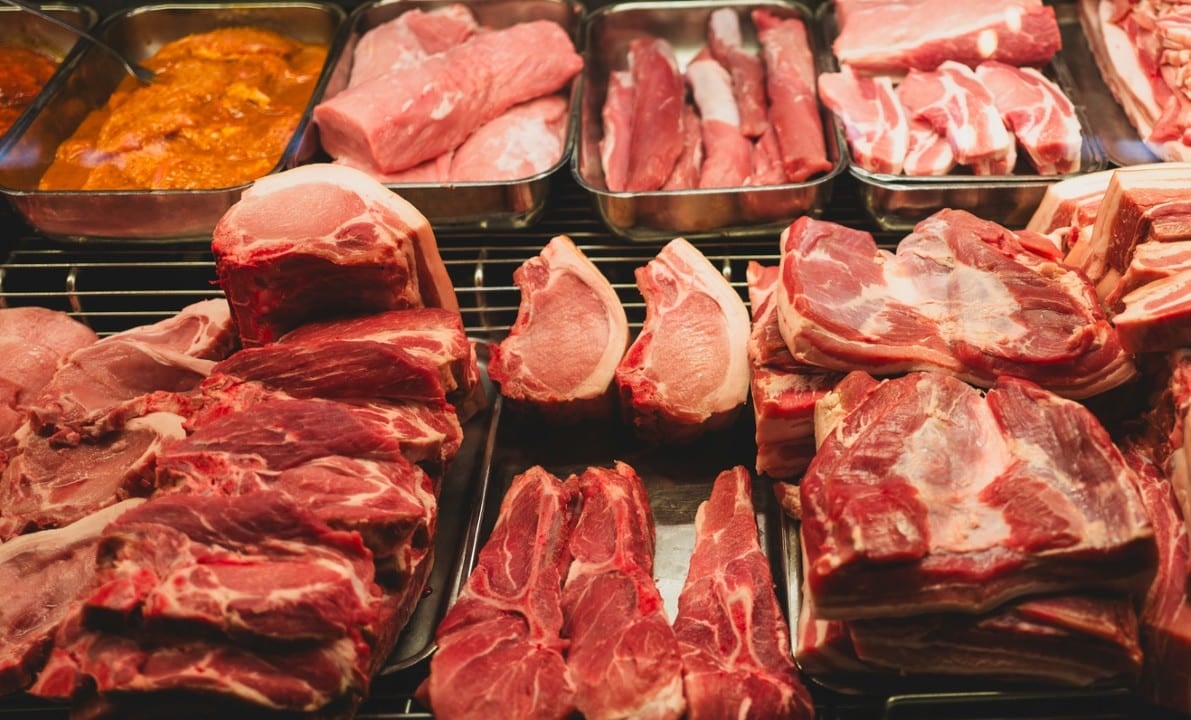
Analysts see limited reduction in exports
Experts believe that Brazilian exports should not fall drastically despite the restrictions. China maintains a high dependence on imports, as its local production does not keep up with growing consumption. The competitive price of Brazilian meat makes it difficult to replace it with other suppliers.
Even with a possible surplus, volume can be redirected to markets such as Estados Unidos, which have recently reduced barriers, or Filipinas and Emirados Árabes. Analistas highlight that the Chinese quota will be filled quickly at the beginning of the year. Incertezas persist regarding cargo in transit, but government negotiations seek to mitigate impacts.
In México, the volume exported in 2025 exceeded the new quota. Parte of future sales will face tariffs, reducing competitiveness.
Lower production puts pressure on domestic prices
The supply of beef in the Brasil is expected to decrease in 2026 due to the retention phase in the livestock cycle. Pecuaristas maintain females for reproduction after record slaughters of sows in 2025, reducing animals available for fattening and slaughter.



This internal shortage compensates for any drops in exports. Economistas predict high retail prices, also influenced by strong demand in an election year and Copa of Mundo.
Alternatives for relocating volumes
The sector seeks to diversify destinations to minimize dependence on China, which concentrated half of exports in 2025.
Other South American countries may absorb part of the Brazilian product. Recent Aberturas, such as for new Asian customers, expand options. Analistas point out that competitors like Austrália and Uruguai face their own limitations, favoring Brasil in negotiations.
Livestock cycle explains upward trend
The livestock cycle alternates periods of high and low supply. X__NM0____
In 2026, Brazilian production is expected to decline by around 5%, putting pressure on prices. Esse natural movement in the sector weighs more than external restrictions for the domestic market. Previsões indicate firmer sign in the second half.
Global demand supports shipments
Global beef consumption remains robust despite adjustments in large importers. Países emerging markets increase purchases, and alternative suppliers face production restrictions.
Brasil maintains a competitive advantage due to scale and costs. Mesmo with quotas, exported volumes should remain close to 2025 records, with strategic reallocation.
Veja Tambem em News (EN)

Research reveals that parents are unaware of how their children use artificial intelligence

Samsung releases new system update with new features for Galaxy Watch 4 users

Digital retail reduces the value of the Galaxy S25 5G smartphone with bank bonuses and device exchange

Amazon’s wireless CarPlay adapter has a 50% discount and high approval ratings from drivers

Zach Cregger’s new Resident Evil ignores games and focuses on an unprecedented story with new characters

Rumor suggests that Nintendo is preparing a special edition of the Switch 2 with a remake of Ocarina of Time

Apple accelerates production of the iPhone 17e and develops new Air model with dual camera system

Epic Games platform releases twelve high-budget games at no permanent cost for PC users

PlayStation 5 Pro price drop accelerates digital retail sales and eliminates global stocks

New Galaxy Watch 9 firmware appears on server and confirms progress in software development

Apple’s commemorative project tests cell phone with 1.1 millimeter edge and curved screen for 2027
