
Samsung’s futuristic technology with Galaxy Z Trifold redefines foldable smartphone experience

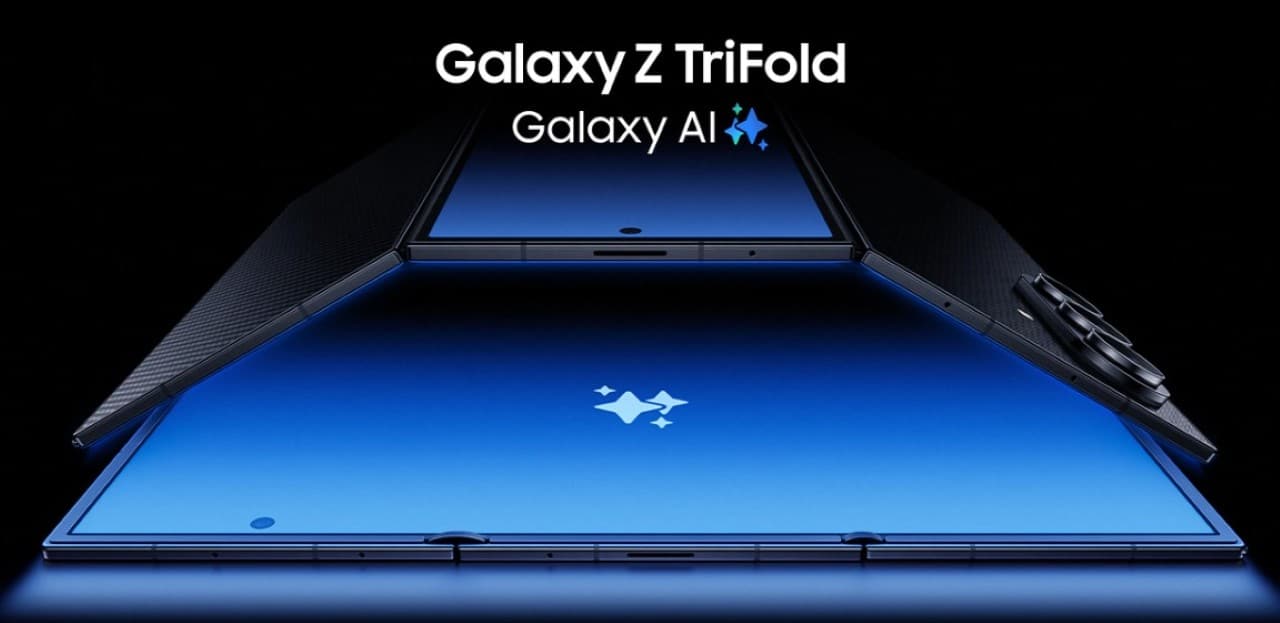
A concept that seemed restricted to science fiction films is becoming a reality in the world of smartphones. Samsung, one of the largest cell phone manufacturers in the world, introduced a device that promises to reshape the way we interact with mobile technology, bringing significant innovations to the sector.

The new feature is the Samsung Galaxy Z Essa approach aims to offer flexibility and an expanded viewing area when needed, without compromising portability.
The presentation of the device to the press took place during Consumer Electronics Show (CES), in Las Vegas, highlighting the company’s commitment to technologies that challenge the traditional format of smartphones. Embora initially launched in select markets such as the Coreia of the Sul, the Galaxy Z Trifold already signals a promising future, despite the challenges inherent to any innovation.
A giant screen that fits in your pocket
Samsung’s central objective with the Galaxy Z Este new model features an impressive 10-inch screen that folds into two distinct points, resembling a brochure.
In comparison, the Galaxy Z Fold 7, one of its predecessors in the foldable family, has an 8-inch screen that only articulates in the middle. The difference in viewing area and malleability of the Trifold suggests a clear focus on users looking to maximize productivity and convenience in a single device, transforming the everyday usage experience.
Innovations in productivity and software
The Galaxy Z Trifold was designed to meet the needs of those who use smartphones predominantly for work and productivity, offering features that simulate the experience of a personal computer. The screen not only allows you to run applications in split mode, but also in resizable windows that can be arranged freely, just like on a desktop.
The ability to pair the device with an Bluetooth keyboard and mouse makes it a viable alternative to a mini-laptop for a variety of tasks. Além Furthermore, the integration of the Gemini assistant of Google promises to optimize user interaction, enabling answers to questions about multiple applications in use simultaneously, simplifying the management of different functions with fewer commands.
Design and everyday use experience
Despite its impressive thinness when fully opened, the Galaxy Z Trifold, when folded, acquires a remarkable thickness, comparable to holding two phones stacked. Este aspect is one of the points to be considered by consumers when it comes to portability.
Regarding camera quality, the Trifold incorporates technology similar to that found in the top-of-the-line models Galaxy S25 Ultra and Samsung. Isso means users won’t have to compromise photo quality in exchange for an expanded screen, a significant improvement compared to early generations of foldables, which often featured inferior cameras.
The two creases present in the screen, resulting from the folding mechanism, are noticeable under certain light conditions, but do not constitute a significant impediment to the visual experience. The Samsung has demonstrated an improvement in the durability and aesthetics of these pivot points, minimizing the impact on use.
The expanding foldable smartphone market
The foldable cell phone segment has faced a challenging path in the global market since its introduction. Although the first models took time to gain acceptance, Samsung’s smaller devices, such as the Z Fold line, have begun to solidify their position in recent years. Atualmente, foldables still make up a relatively small share of the overall smartphone market, indicating considerable potential for growth.
Challenges and the future of technology
One of the main obstacles to the popularization of Galaxy Z Trifold is its price. With an estimated cost that could exceed US$2,000, the device is positioned as a high-luxury product, limiting its appeal to a specific niche of consumers. Most users purchase new cell phones only when replacement becomes essential, which creates a considerable barrier to the adoption of such advanced and expensive technologies.
Still, the foldable phone trend seems irreversible. Samsung’s leadership in this segment and the imminent entry of other major players, such as Apple, with its own foldable model, indicate that innovation in screen formats is a strategic direction for the industry.
Samsung strategy to innovate the sector
Samsung’s strategy goes beyond a single product, encompassing the exploration of multiple formats for cell phones. The Galaxy Z Trifold represents a “strategic pilot” for the company, an experiment aimed at testing consumers’ receptivity to new technologies and designs. Este effort is critical to understanding which innovations resonate most with the public and guiding future development.
The company seeks to prove that rectangular smartphones, ubiquitous today, have not yet reached the peak of their evolution, with a vast field for new approaches. By innovating and diversifying its product line, Samsung directly influences the technological landscape, with almost all Android cell phone manufacturers following in the South Korean giant’s footsteps in launching foldable devices.
This continuous evolution is seen as an essential step to keep the market dynamic and meet different user preferences. The ability to adapt and invest in new formats demonstrates Samsung’s commitment to leading innovation in the competitive mobile technology sector.



