Complete guide to the most efficient and economical non-plug-in hybrid cars for next year


The global automotive market is undergoing an accelerated transformation, with hybrid vehicles gaining more and more space on the streets. Para drivers looking for a smooth transition to electrification, without the need for charging infrastructure, conventional hybrid models, also known as self-charging, emerge as the ideal alternative. Eles combine a combustion engine with an electric motor that automatically recharges while driving, offering a significant reduction in fuel consumption and pollutant emissions.
These vehicles represent a perfect balance between traditional technology and sustainable innovation. By using the kinetic energy generated during braking and deceleration to power the battery, they eliminate dependence on sockets and charging stations, a crucial factor in many regions. The system’s intelligent management switches between engines automatically, optimizing performance and ensuring maximum efficiency in different traffic conditions, whether in the urban environment or on long road trips.
The growing popularity of these models is due to a combination of factors, including increased environmental awareness, volatile fuel prices and government incentives in many countries. Renowned Fabricantes are investing heavily in improving this technology, resulting in vehicles that are increasingly powerful, comfortable and full of connectivity and safety features. The diversity of options ranges from agile compacts to spacious SUVs, meeting different consumer profiles and family needs.
Given this scenario, choosing the ideal model can be a challenge. Este detailed guide presents an analysis of the main non-plug-in hybrid vehicles that stand out on the market, focusing on their technical specifications, consumption, design and competitive differences. The selection includes everything from recent launches to consolidated models that have received important updates, providing a complete overview for anyone planning to purchase a new car in the coming months.
Compact options that combine economy and agility
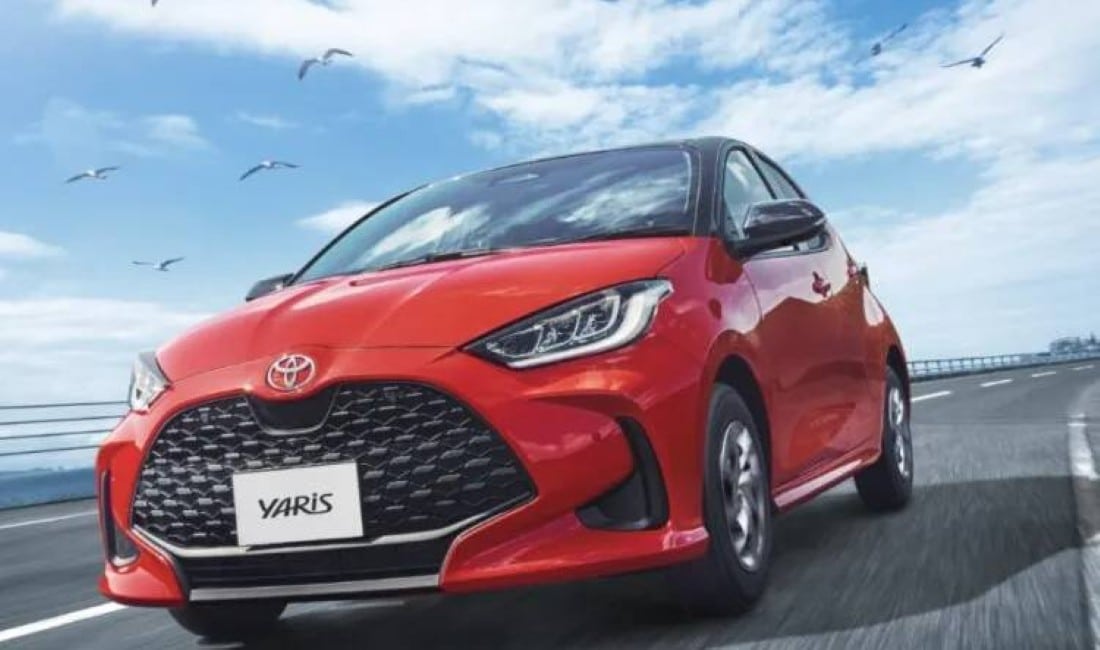
In the compact segment, efficiency is the watchword. The Toyota Yaris Hybrid continues to be a benchmark, combining modern design with a highly optimized hybrid system. Equipado with an engine that delivers up to 130 horsepower, the model stands out for its low fuel consumption, recording averages of approximately 4.3 liters per 100 kilometers. Sua agility in urban traffic and ease of parking make it a smart choice for everyday life.
The technology embedded in the Yaris guarantees a smooth and quiet driving experience, especially in electric mode at low speeds. The interior, although compact, is well designed to maximize space and occupant comfort, featuring modern infotainment systems and a robust package of driving assistants that enhance safety.
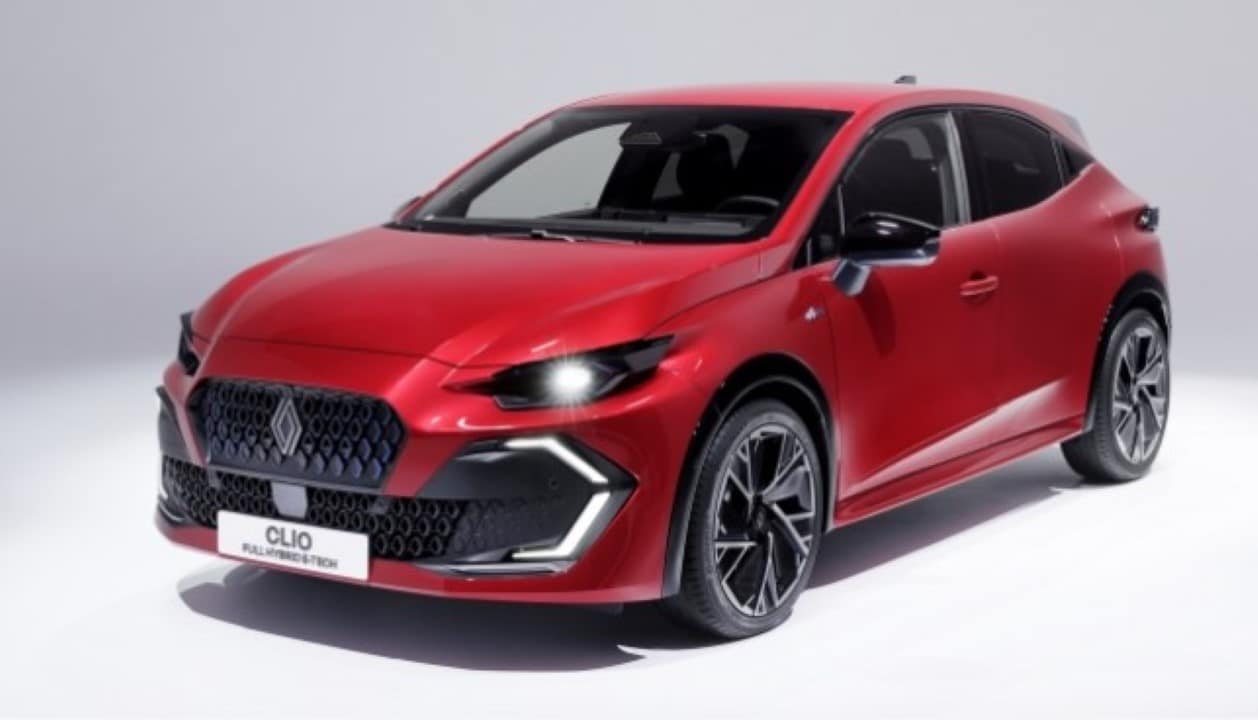
Another strong competitor is Renault Clio E-Tech. The model has been updated to offer even more performance and economy, with a system that generates a combined power of 160 horsepower. Seu’s biggest difference is the ability to accelerate from 0 to 100 km/h in just 8.3 seconds, an impressive number for the category, without sacrificing efficiency. Average consumption is just 3.9 liters per 100 kilometers, thanks to a 1.4 kWh battery that allows it to run for longer in electric mode.
The bold design of the Clio, both external and internal, attracts a public seeking style and modernity. A cabine é equipada com materiais de qualidade e uma central multimídia intuitiva, consolidando o modelo como uma das opções mais completas e desejáveis entre os compactos híbridos.
Compact SUVs: the popular choice for the city
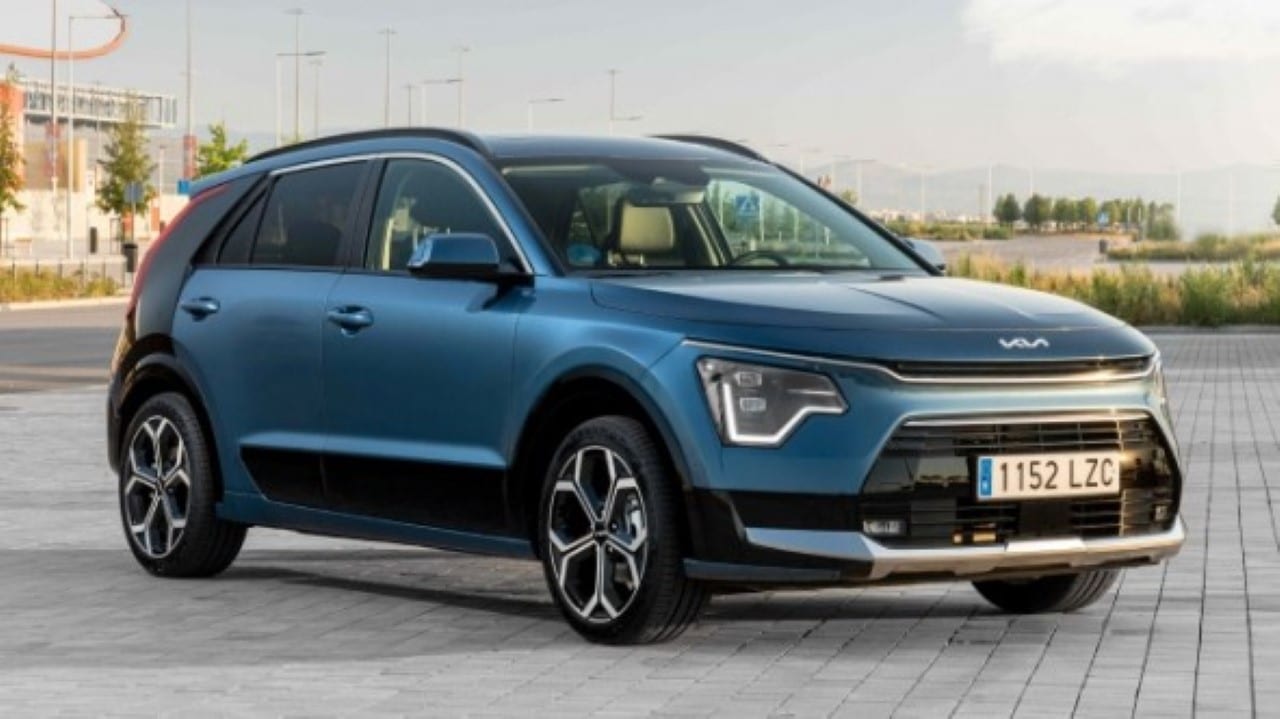
The Kia Niro Hybrid has established itself as one of the most balanced options in the growing compact SUV market. Seu futuristic design and well-defined proportions hide a spacious and versatile interior, ideal for small families or for those who need a generous trunk for daily activities, with a capacity of 450 liters. The model was designed with a focus on practicality and comfort.
Mechanically, the Niro is equipped with a hybrid system that produces 141 horsepower, offering adequate performance for the city and highway, with an exemplary consumption of 4.6 liters per 100 kilometers. The list of equipment is another strong point, including advanced security and connectivity technologies that are generally found in higher segments.
The success of models like the Niro reflects a market trend where consumers seek the elevated driving position and robustness of an SUV, but without giving up the fuel economy of a compact car. Self-charging hybrid technology fits perfectly into this demand, offering the best of both worlds.
The rise of midsize SUVs
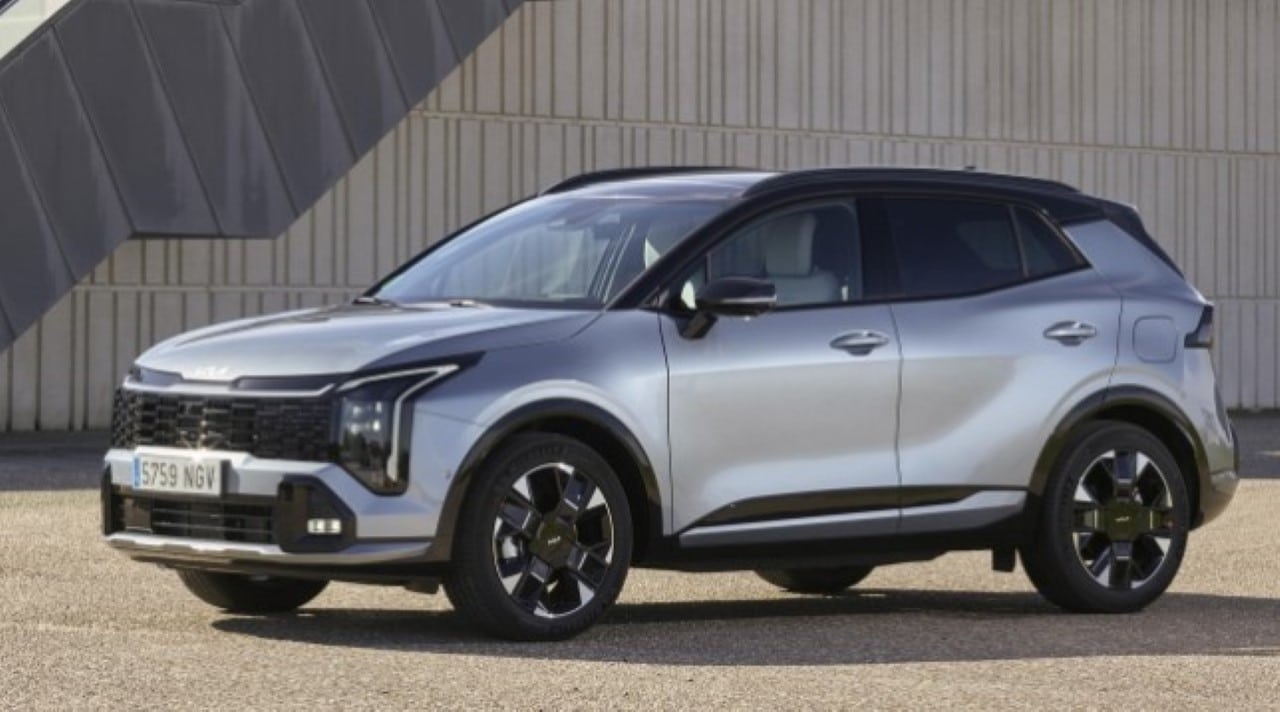
In the medium SUV segment, competition is fierce, with models that offer a combination of space, power and technology. The Kia Sportage Hybrid stands out for its bold design and powerful mechanical package, delivering 239 horsepower. Essa strength allows dynamic and safe driving, even with the car fully loaded. The interior is one of the most modern in its category, with a curved digital panel that integrates the instrument cluster and the multimedia center, creating a technological and sophisticated environment. Apesar of power, consumption remains at a competitive level, with an average of 5.4 liters per 100 km, and its 587-liter trunk is ideal for family trips.
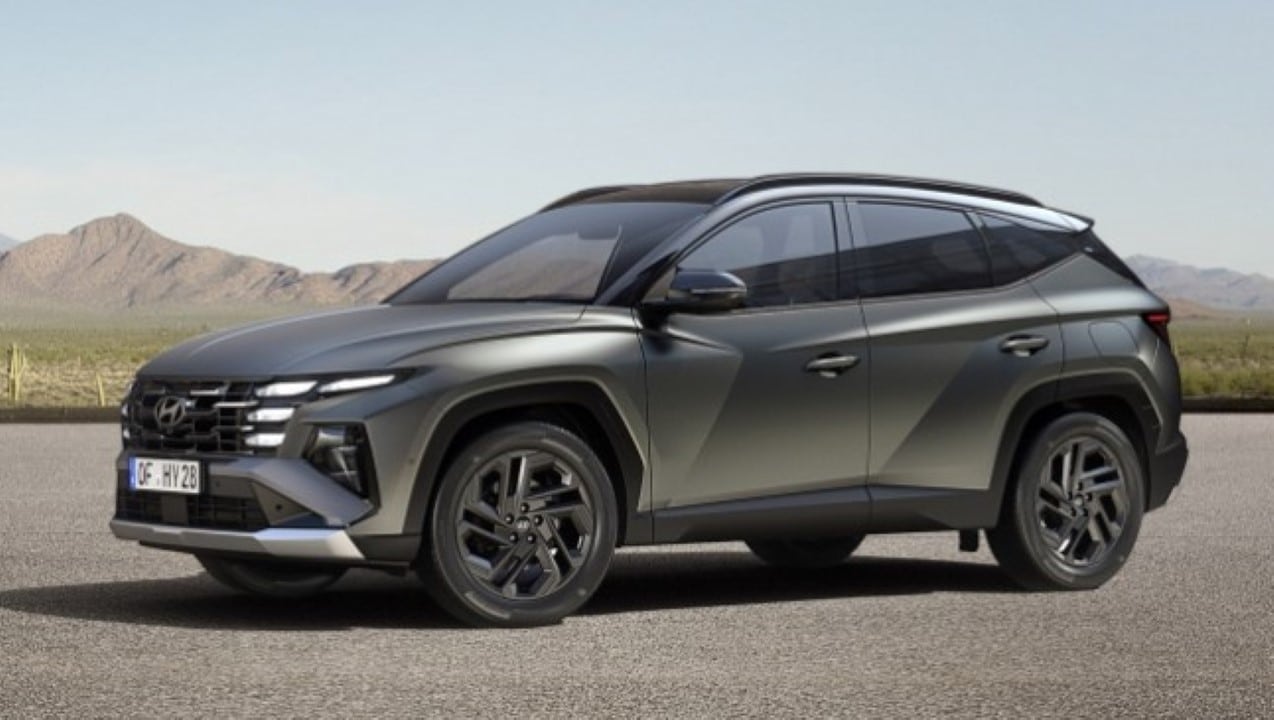
Sharing the same platform, the Hyundai Tucson Hybrid emerges as a strong competitor, betting on an equally bold design, but with a distinct visual identity, marked by the parametric daytime running lights integrated into the front grille. Seu hybrid system generates 215 horsepower and has an average consumption of 5.7 liters per 100 km. The Tucson’s greatest asset is its internal space and trunk, the largest in its category with 616 liters of capacity. Ambos South Korean models offer a complete package of driving assistants, ensuring high levels of safety and comfort for all occupants, consolidating themselves as references in the segment.
News and updates expected in the segment
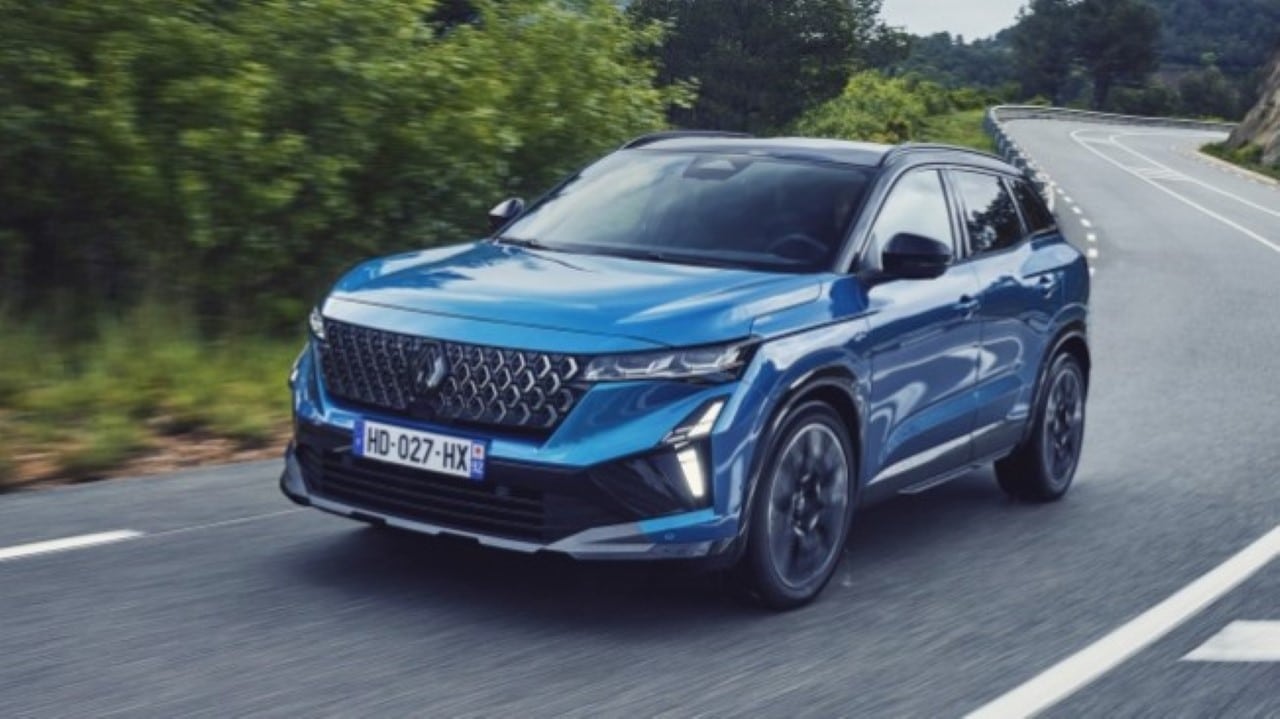
The Renault Austral E-Tech is another important new addition to the medium SUV scene. With a hybrid system that develops 200 horsepower, the model promises an excellent balance between performance and efficiency, recording a consumption of just 4.7 liters per 100 km. The Austral stands out for its 2 kWh battery, which allows greater autonomy in pure electric mode in urban areas. Renault’s focus in this model is on embedded technology and user experience, with a refined interior and state-of-the-art connectivity systems.
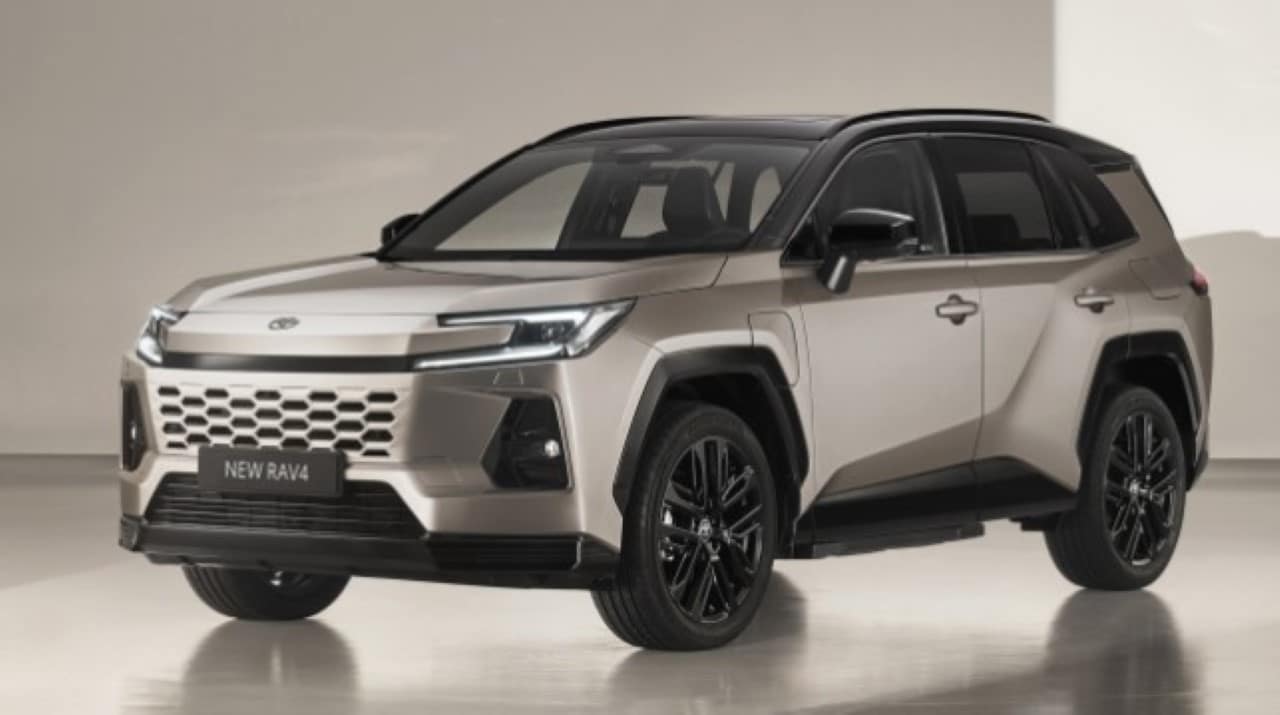
Meanwhile, the market eagerly awaits the new generation of the Toyota RAV4. The model, which is already a global sales success, should undergo a complete redesign soon. Espera The new design is expected to be more robust and modern, accompanied by an improved hybrid system that will deliver around 191 horsepower with even greater efficiency, projected to be close to 5 liters per 100 km. The Toyota should reinforce the attributes that made the RAV4 a leader: reliability, durability and low maintenance costs, now combined with more technology and safety.
Models that combine space and family versatility
For families who need even more space and practicality, the MG HS Hybrid+ presents itself as an excellent cost-benefit option. Este Generous-sized SUV, 4.67 meters long, offers a spacious interior and a trunk with a capacity of 507 liters, easily meeting the demands of travel and luggage transport. The HS+ hybrid system is robust, generating a combined power of 224 horsepower, which guarantees vigorous acceleration and safe overtaking on the road. Mesmo with its size and performance, fuel consumption is controlled, with an average of 5.5 liters per 100 kilometers. The model also stands out for its equipment package, which includes a large central multimedia screen, panoramic sunroof and a complete set of active and passive safety features, positioning it as a strong competitor to more traditional brands by offering more at a competitive price.
What defines self-charging hybrid technology
The main feature of self-charging hybrid cars is their ability to intelligently manage the use of two engines: one combustion and one electric. The system automatically decides which engine to use, or whether both should work together, to maximize energy efficiency in each situation. At low speeds and in urban traffic, for example, the electric motor is prioritized, eliminating fuel consumption and gas emissions.
The “self-charging” comes from the fact that the electrical system’s battery is recharged without the need for an external source. Isso ocorre principalmente através do sistema de frenagem regenerativa, que converte a energia cinética, normalmente perdida em forma de calor durante as frenagens e desacelerações, em energia elétrica para a bateria. O próprio motor a combustão também pode atuar como um gerador quando necessário, garantindo que o sistema elétrico esteja sempre pronto para operar.
Decisive factors when choosing your next vehicle
The final decision on which hybrid vehicle to purchase will depend on a careful analysis of each driver’s individual needs. It is essential to consider the predominant usage profile, whether urban or road, the number of people who will be transported regularly and the volume of cargo required. Além Furthermore, comparing equipment packages, insurance and maintenance costs, and carrying out a test drive are essential steps to ensure an assertive and satisfactory choice in the long term.