
Galaxy S24: 128GB storage detail could compromise the speed of your new smartphone


When choosing a new smartphone, many consumers focus on camera, screen and battery, but one technical detail in the Samsung Galaxy S24 can go unnoticed and have a significant impact on the user experience. The difference between the 128GB and 256GB versions is not just limited to the space available for photos and applications, but involves different storage technologies that directly affect the speed and overall performance of the device.
The entry-level version, with 128GB, uses an older memory standard, while the 256GB model is equipped with more modern and faster technology. Essa distinction, although subtle in the specifications, translates into noticeable agility in daily tasks, from system initialization to processing complex tasks. Compreender this variation is crucial to making a smart investment and ensuring consistent long-term performance.
This difference in hardware becomes even more relevant with the introduction of advanced artificial intelligence features, which require fast access to data. Portanto, the purchasing decision goes beyond the initial cost, influencing the fluidity with which the device will respond to the demands of future software and the user himself, defining the true cost-benefit of the smartphone.
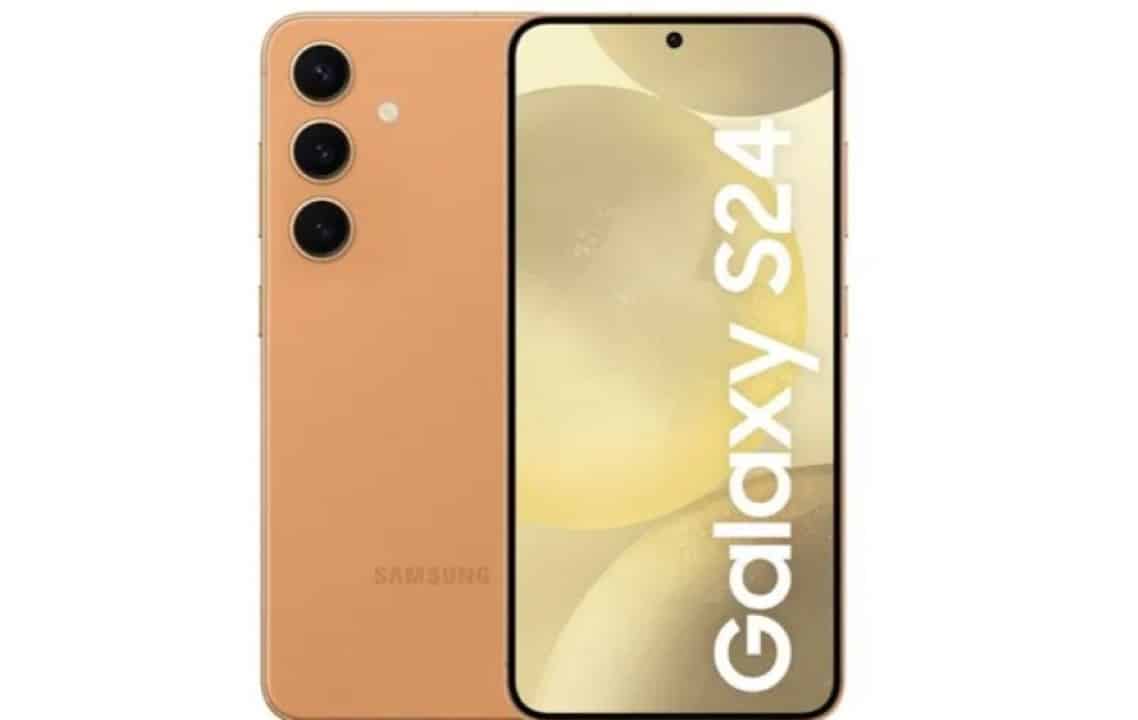
UFS 4.0 technology as a game changer
The main technical distinction between the two versions of the Galaxy S24 is in the type of flash memory used. The 128GB model is equipped with UFS 3.1 (Universal Flash Storage) technology, a robust and efficient standard for most activities, but which has already been surpassed by its evolution. While UFS 3.1 offers satisfactory read and write speeds, UFS 3.1 may experience bottlenecks in intensive usage scenarios, such as graphics-heavy gaming, high-resolution video editing, or when quickly switching between multiple heavy applications.
On the other hand, the 256GB version, like the larger capacity ones, adopts the UFS 4.0 standard. Essa latest technology represents a leap in performance, offering sequential read speeds that can be up to double those achieved by UFS 3.1. Além higher speed, UFS 4.0 is up to 46% more energy efficient, which translates into lower battery consumption during data reading and writing operations, contributing to greater device autonomy. In practice, this improvement guarantees a user experience that is noticeably more agile and prepared for the future.
How Storage Speed Affects Everyday Usage
For the end user, the difference between memory technologies is clearly manifested in several routine activities. The device’s boot speed is the first area where UFS 4.0’s superior performance becomes evident, with the operating system loading almost instantly. The same occurs when opening applications, especially heavier ones, which start in a fraction of the time on the 256GB model.
The multitasking experience is also directly benefited. Alternar between social networks, browsers with multiple tabs, messaging applications and games becomes a more fluid and choking-free operation. The system can access the necessary data more quickly, avoiding delays that can occur in the model with slower storage when the RAM memory is overloaded.
Another relevant point is the speed of installing new applications and operating system updates. Essas tasks, which can be time-consuming on slower devices, complete in less time on the Galaxy S24 with UFS 4.0. Essa agility, combined with twice the storage capacity, provides a more comfortable user experience and prepared for the growing demands of software and files.
Galaxy AI and the demand for fast processing
The introduction of Galaxy AI, Samsung’s suite of artificial intelligence capabilities, has made storage speed even more critical. Ferramentas like Circle to Search, in-call simultaneous translation and generative photo editing capabilities rely on lightning-fast access to large language models and algorithms stored internally on the device. Quando the user triggers one of these functions, the system needs to read and process gigabytes of data in milliseconds to provide a real-time response. A slower memory, such as UFS 3.1, can become a bottleneck, resulting in small delays that compromise the feeling of fluidity and instantaneity that embedded artificial intelligence aims to offer. Portanto, to extract the maximum potential from the new AI features of the Galaxy S24, the superior performance of UFS 4.0 present in the 256GB version is essential, ensuring that the device’s intelligent responses are as agile as its other operations.
Cost-benefit and the devaluation of the 128GB model
When evaluating the investment, the price difference between the 128GB and 256GB version of the Galaxy S24 has become increasingly smaller in the retail market. Promoções and frequent price adjustments mean that the additional price paid for the superior model is fully justified by the gains in performance and longevity.
The initial savings when opting for the entry-level version may prove to be a disadvantage in the medium and long term. As application sizes, system updates, and media file quality increase, 128GB can quickly become insufficient.
In addition to the space issue, the lower performance of UFS 3.1 storage tends to become more evident over time, as new software demands more from the hardware. Isso directly impacts the resale value of the device.
Models with more robust technical specifications, such as the 256GB with UFS 4.0, tend to depreciate less, consolidating themselves as a smarter choice for those looking for a device that remains fast and functional for longer.
Construction and resistance in the design of the S24
The Galaxy S24 reaffirms the Samsung’s commitment to durability and premium design. Sua structure is built in Armor Aluminum, a reinforced aluminum alloy that provides greater resistance against everyday drops and scratches, while maintaining the device’s sophisticated appearance. The device also has IP68 certification, which ensures protection against dust and immersion in fresh water at a depth of up to 1.5 meters for 30 minutes, offering greater safety and peace of mind to the user.
The screen as one of the main attractions
One of the highlights of the Galaxy S24 is its 6.2-inch Dynamic AMOLED 2X display, which provides an immersive visual experience. With vibrant colors, intense contrasts and deep blacks, the screen is ideal for consuming any type of content, from videos and films to games with detailed graphics.
LTPO technology dynamically adjusts the refresh rate between 1Hz and 120Hz, ensuring maximum fluidity in animations and scrolling, while optimizing power consumption when displaying static images. Peak brightness of 2,600 nits ensures excellent visibility even in direct sunlight, making outdoor use much more comfortable.




