
Naoto Kan’s wife reveals former Japanese prime minister’s dementia and care level 3

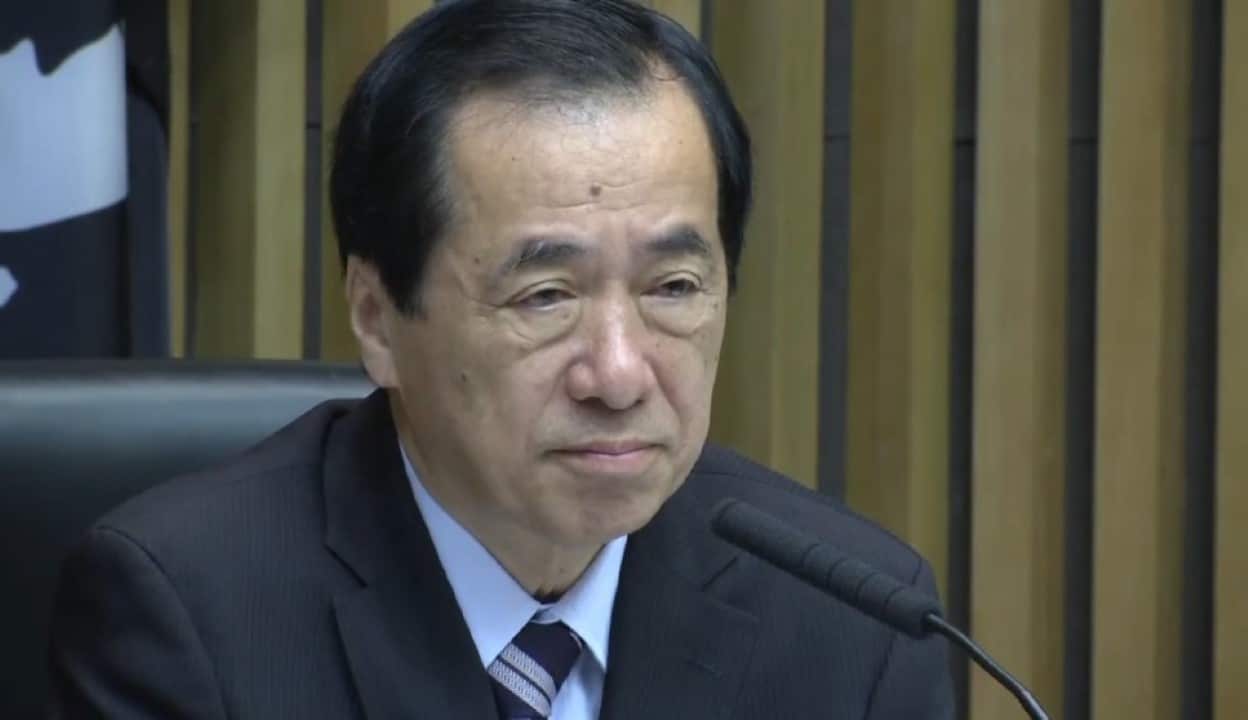
Naoto Kan, former prime minister of Japão, received a diagnosis of dementia and certification ofNecessary nursing care 3, which requires full assistance in daily activities. Sua wife, Nobuko Kan, aged 80, revealed these details during a journalist’s visit to the family’s residence in the region of Tama, Tóquio, on January 4, 2026. The condition includes loss of recent memories, such as the events of
Nobuko described her husband’s current state as a phase of “nirvana”, indicating tranquility after years of intense political activity. Kan, aged 79, appears with a calm expression, although he uses a cane for mobility. Durante the meeting, he briefly participated in a tea session, demonstrating a willingness to interact in a simple way.
The family maintains a calm routine in the house known as “Eco Kan House”. Dois cats accompany the couple’s days, and visits from children and grandchildren bring moments of family life. Nobuko has taken a central role in daily support since Kan’s health began to decline.
Visit to the family residence
A journalist with a long relationship with the family visited the property on January 4th. Nobuko welcomed the visitor and led an initial conversation on various topics, including connections with França and historical figures. Kan emerged from the rest room after about 30 minutes, smiling and looking well-groomed.
He commented on an old political episode, referring to the candidacy of Ichikawa Fusae in 1974, with precise details. The former prime minister asked for more tea and consumed sweets with a normal appetite. The interaction lasted approximately 15 minutes, with no obvious signs of acute physical or mental discomfort.
- Kan wore comfortable home clothes.
- Neat hair and a clean beard indicated regular grooming.
- The tone of voice was slow, but firm.
Nobuko prepared matcha and guided the dialogue naturally.
Personal collection and preserved memories
On the second floor, Nobuko showed a room with books and documents accumulated throughout Kan’s career. Estantes contain works on nuclear accidents, including Chernobyl, and biographies of world leaders such as François Mitterrand and Angela Merkel. Parede displays a large photo of Kan as minister of Saúde, apologizing for the AIDS scandal contaminated by medicines.
These items reflect long-standing interests in nuclear energy and international governance. Nobuko commented that her husband has always dedicated himself to studying global crises. The collection includes the complete series of “Sakano Ue no Kumo”, by Ryotaro Shiba, which inspired the eldest son’s name.
The small space, about 3 tatami mats, contains hundreds of volumes organized thematically. Materiais on the 2011 earthquake occupy a prominent place, recalling the period in which Kan led the national response to the crisis.
Evolution of health condition
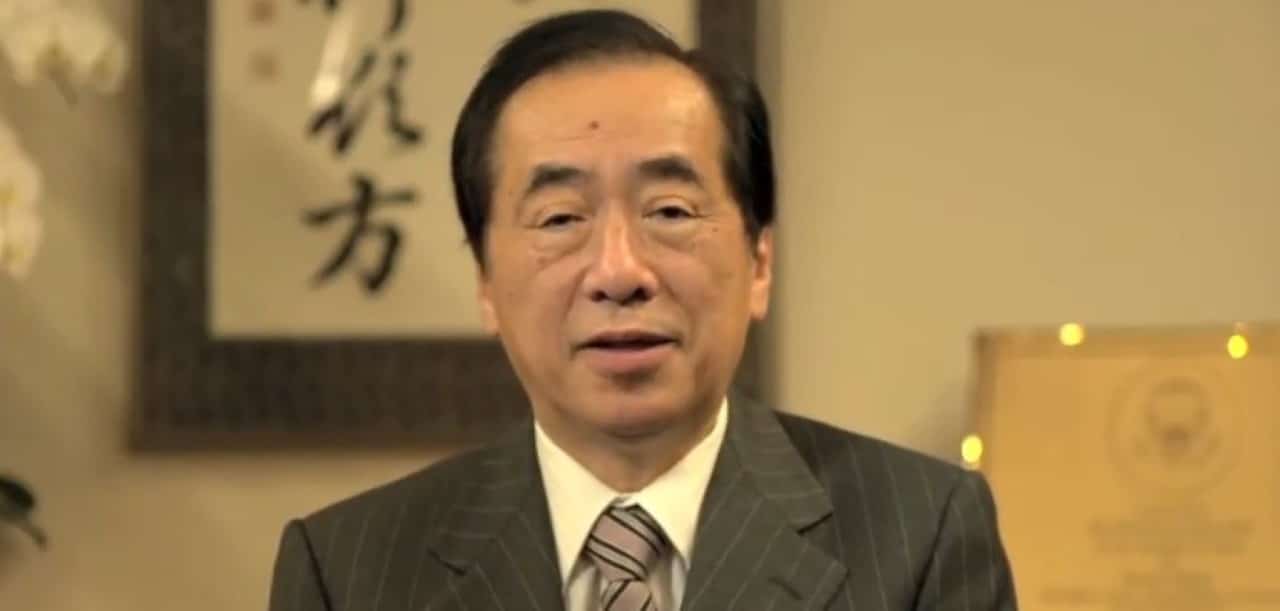
Nobuko reported that symptoms of dementia started progressively. On July 1, 2025, Kan suffered a fractured ankle, requiring hospitalization and rehabilitation. Esse episode accelerated need for ongoing support, leading to certification of要介護3.
This Japanese classification indicates high dependence on everyday tasks, with frequent cognitive changes. Apesar of this, Kan maintains the ability to remember distant events, such as political actions from the 1970s.
- Fracture contributed to reduced mobility.
- Family opted for care at home, prioritizing family environment.
- Nobuko mentioned examples of world leaders who faced dementia in old age, such as Reagan, Thatcher and Chirac.
- Current routine favors rest and simple interactions.
Current everyday life
Kan spends most of his time in inner rooms, emerging for meals or visits. Família meets frequently, including son Gentaro, councilor in Musashino, and grandchildren. Nobuko balances attention to her husband with receiving occasional guests.
In 2026, the year that marks 15 years since the East Japan disaster, requests for interviews on the topic emerged. Nobuko explained difficulty in responding, as Kan does not retain memories of the period. Ela authorized disclosure of information, stating prior intention to make the health chart public.
Days passed with visible serenity during the visit. Kan returned to rest after a brief participation, leaving an impression of comfort at home.
Political heritage and recognition
Kan retired from politics in 2023, after decades of service. Recebeu Ordem of Flores of Paulownia in 2025, maximum honor for civil contributions. Carreira included measures against HIV contamination in blood products and post-earthquake nuclear crisis management.
Contributions to political reform and renewable energy remain recorded in personal files. Família preserves these legacies while prioritizing current well-being.
The transition to private life allowed a focus on family relationships. Nobuko expressed willingness to continue care, adapting to the increasing demands of the condition.
Family routine and support
The presence of grandchildren regularly livens up the home environment. Nobuko manages schedule without intensive external assistance, maintaining privacy. Visitas like January reinforce old ties with political collaborators.
Kan demonstrates contentment in shared moments, such as tea or short conversations. Equipe doctor monitors progress, adjusting support as necessary.
- Emphasis on balanced nutrition and adequate rest.
- Light activities preserve residual mobility.
- Family avoids excessive public exposure.
- Nobuko highlighted the importance of tranquility in the current phase.
This configuration reflects the choice for continuity in own residence.



