
Galaxy S25 Ultra innovates with 50MP ultra-wide camera sensor for more detailed photos

The Samsung sets the stage for its next major launch in the premium smartphone segment, the Galaxy S25 Ultra. The most recent information indicates that the device will bring a significant evolution to its photographic set, with the introduction of a new 50 megapixel sensor for the ultra-wide-angle camera, a considerable leap compared to the 12 megapixels of the previous model. Essa change aims to improve the quality of wide images, capturing more details and offering greater flexibility for photographers and content creators.
The device must maintain the already established 200 megapixel main camera, which stands out for its ability to produce very high resolution images in different lighting conditions. The company’s strategy appears to be to refine an already robust system, focusing on one of the components that benefits most from an increase in resolution. The telephoto lenses, responsible for the high-quality optical zoom, must remain with similar configurations, guaranteeing the versatility that is a trademark of the Ultra line.
The expectation is that the combination of the new hardware with the latest generation processor, possibly the Snapdragon 8 Gen 4, will result in even faster and more efficient image processing. Análises Preliminaries suggest that the new ultra-wide sensor not only improves sharpness, but also performance in low-light environments, reducing digital noise and preserving color fidelity more accurately.

The new ultra-angle sensor in detail
Replacing the 12 MP sensor with a 50 MP sensor in the ultra-wide lens represents the main hardware update in the Galaxy S25 Ultra’s camera system. Essa technical change allows the sensor to capture a much greater amount of information in each photo, which translates into images with greater clarity, richer textures and less loss of quality when enlarging or cropping the image. The new setup is especially advantageous for photographing landscapes, architecture and large groups of people, where every detail counts. The aperture opening, speculated to be f/1.9, also contributes to greater light capture, a crucial factor for performance in night or indoor scenarios.
Learn more: The Galaxy S25 Ultra’s ultra-wide-angle camera will have a new 50MP sensor to improve photo quality
In addition to the increase in resolution, the new component significantly improves the macro photography function. With more megapixels at its disposal, the smartphone can take extreme close-ups of small objects without the need for a dedicated lens, maintaining a level of detail that was previously difficult to achieve with the ultra-wide-angle camera. Isso opens up new creative possibilities for users, who will be able to explore everyday textures and details with stunning clarity, all supported by processing software that automatically optimizes focus and depth of field for the best results.
| Aspect | Galaxy S24 Ultra | Galaxy S25 Ultra |
|---|---|---|
| Ultra-wide | 12MP | 50MP |
| Main | 200MP | 200MP |
| Tele 3x | 10MP | 10MP |
| Tele 5x | 50MP | 50MP |
| Processing | ProVisual Engine | Improved ProVisual Engine |
How artificial intelligence enhances captures
Artificial intelligence remains a central pillar in the photography experience offered by the Samsung, and in the Galaxy S25 Ultra this integration will be even deeper. ProVisual Engine, the brand’s image processing engine, will use advanced algorithms to optimize each capture in real time. Isso includes features such as enhanced noise removal, which analyzes different areas of the image to apply specific treatments, and scene optimization, which recognizes the photographed environment — whether it’s a sunset, a plate of food, or a portrait — and automatically adjusts color, contrast, and exposure settings for an optimal result. AI will also be instrumental in fusing data from multiple sensors, ensuring smooth transitions between lenses and color consistency across the entire camera system. Ferramentas generative editing, which allows you to move or remove objects from photos, should also receive improvements, becoming more precise and intuitive for the end user.
Understand the case: Motorola Moto G06 256GB: affordable smartphone stands out for features and great value for money
Improved performance in low light conditions
The Galaxy S25 Ultra promises to raise the bar for night photography by combining new hardware with software optimizations. The 50-megapixel ultra-wide camera, with its greater light-gathering capacity, will produce nighttime photos with less grain and more visible detail in shadow areas.
The Nightography mode, already known from the line, will be improved to make the most of the new sensor, resulting in clearer and more stable night videos. Artificial intelligence plays a key role in this process, improving white balance and exposure so that dark scenes look more natural and well-lit.
The complete photographic set of the S25 Ultra
While the ultra-wide lens is the highlight, the Galaxy S25 Ultra will feature a four-rear camera system designed for maximum versatility. The main camera will maintain the 200 MP ISOCELL HP2 sensor with f/1.7 aperture, ideal for very high definition captures.
It is joined by the new 50 MP ultra-wide-angle lens with a 120-degree field of view and two telephoto lenses. One of them will be 10 MP with 3x optical zoom, perfect for portraits with natural background blur.
On the same topic: Galaxy S25 Ultra will receive a 50MP sensor in the ultra-wide-angle camera for a leap in quality in photos
The other telephoto lens will be a periscope type, with 50 MP and 5x optical zoom, allowing long distance approaches without loss of quality. Esse balanced set offers tools for virtually any photography scenario.
On the front, the device must have a 12 megapixel camera, optimized for clear selfies and high-quality video calls, completing a robust and complete photographic package for the most demanding users.
State-of-the-art video and zoom capabilities
The telephoto lens of the Galaxy S25 Ultra will continue to offer a powerful zoom system. The 3x optical zoom is ideal for portraits, while the 5x zoom proves extremely useful for capturing details at events, concerts or in nature without having to physically get closer to the subject. The Space Zoom, which combines optical and digital zoom, should maintain its range of up to 100x, with improvements in AI processing to deliver more stable and sharp images over long distances.
In the video field, the device will maintain the ability to record in 8K resolution at 30 frames per second. The main improvement will come from improved optical image stabilization (OIS), which will work in conjunction with electronic stabilization to produce smooth, shake-free videos, even in motion. Recursos creative features such as slow-motion, hyperlapse and artificial intelligence-assisted editing tools will continue to be present, expanding the possibilities for amateur and professional videographers.
Evolution compared to the previous model
The main difference between the camera system of the Galaxy S25 Ultra and its predecessor, the S24 Ultra, lies in the ultra-wide camera. The jump from 12 MP to 50 MP represents a significant gain in resolution and low-light performance for wide photos.
Read also: Motorola launches Moto G37 in India with 50MP camera and 5200mAh battery
While the other lenses receive incremental refinements via software, the ultra-wide sensor update is a hardware change that directly impacts the final quality of the images, offering more details and flexibility in post-production.
Processing and general performance
The heart of the Galaxy S25 Ultra’s imaging system will be its processor. The integration of a cutting-edge chipset is crucial not only for the overall performance of the device, but specifically for the speed and quality of photo processing, allowing the device to perform complex AI tasks in real time without compromising the user experience.
More news in News (EN)
See more → Samsung releases new system update with new features for Galaxy Watch 4 users
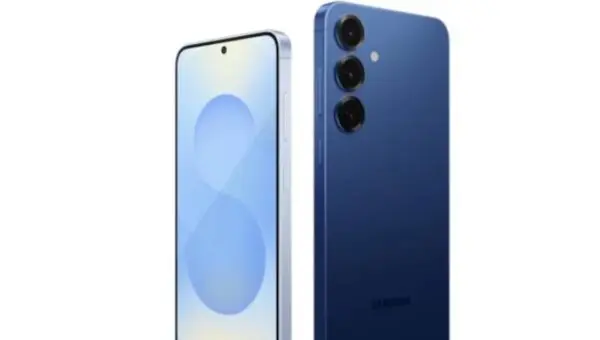 Digital retail reduces the value of the Galaxy S25 5G smartphone with bank bonuses and device exchange
 Amazon’s wireless CarPlay adapter has a 50% discount and high approval ratings from drivers
 Zach Cregger’s new Resident Evil ignores games and focuses on an unprecedented story with new characters
 Rumor suggests that Nintendo is preparing a special edition of the Switch 2 with a remake of Ocarina of Time
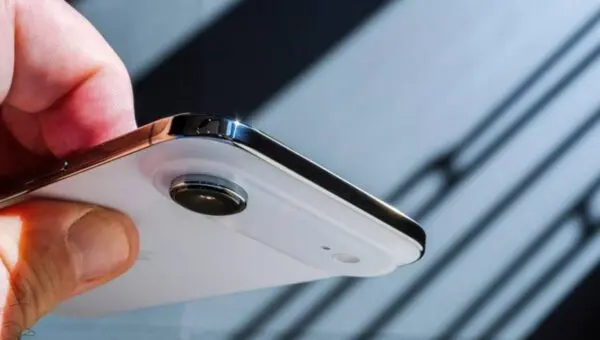 Apple accelerates production of the iPhone 17e and develops new Air model with dual camera system
 Epic Games platform releases twelve high-budget games at no permanent cost for PC users
 PlayStation 5 Pro price drop accelerates digital retail sales and eliminates global stocks
 New Galaxy Watch 9 firmware appears on server and confirms progress in software development
 Apple’s commemorative project tests cell phone with 1.1 millimeter edge and curved screen for 2027
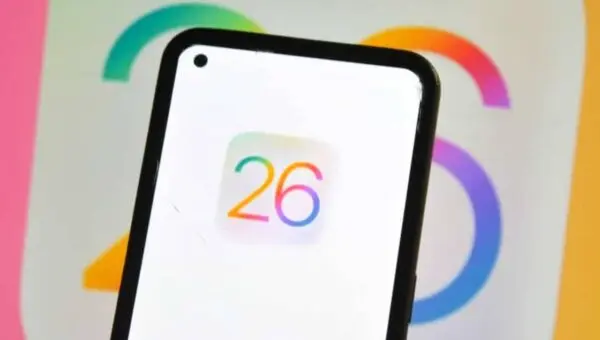 New Apple system update optimizes urgent task management for iPhone users
 Leak details hardware of the new portable PlayStation with superior graphics to the Xbox Series S
More news on Mix Vale
- 1Colby Minifie confirms Ashley Barrett’s powers in The Boys season five
- 2Napoli x Milan in Serie A with confirmed lineups and where to watch live
- 3New battery test puts Galaxy S26 Ultra ahead of iPhone 17 Pro Max in global ranking
- 4Research reveals that parents are unaware of how their children use artificial intelligence
- 5Oppo officially launches the Find X9 Ultra worldwide with Hasselblad lenses and robust battery
- 6Tim Cook reveals new iPhone and iPod prototypes in celebration of Apple’s fiftieth anniversary
- 7New edition of foldable smartphone brings gold finish to Winter Games competitors
- 8Android system receives native Gemini Nano 4 integration for offline processing on smartphones
- 9Samsung updates QuickStar module and expands visual control of the panel in the One UI 8.5 interface
- 10Leak reveals Lords of the Fallen and Sword Art Online in April’s PS Plus Essential catalog