
Global RAM shortage puts PS6 and new Xbox launch schedule at risk

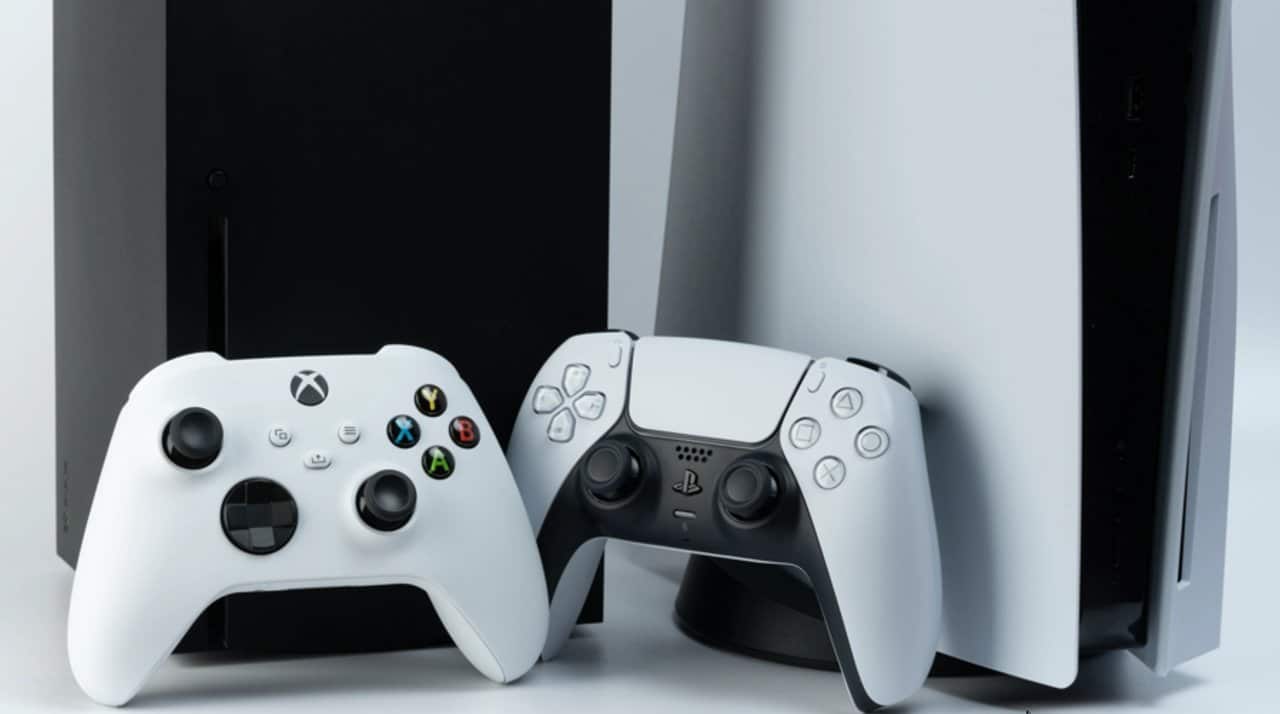
The next generation of Sony and Microsoft consoles may take longer than expected to reach the market. A growing RAM supply crisis, driven by unprecedented demand from the artificial intelligence sector, is forcing gaming giants to reevaluate their release schedules for the PlayStation 6 and the successor to the Xbox Series X/S, originally expected between 2027 and 2028.
Component manufacturers such as Samsung, Micron and SK Hynix are redirecting their production to meet lucrative contracts from data centers and AI companies. Essa change in priority creates a shortage of memory modules for the consumer electronics market, resulting in a sharp increase in prices and supply chain instability.
The situation puts both companies in a delicate position, with internal discussions focused on postponing launches to avoid prohibitive production costs. The shortage, which has intensified since the end of last year, is expected to last until at least mid-2027, according to projections by semiconductor industry analysts.

The race for artificial intelligence and its side effects
The epicenter of the crisis is the high demand for high-performance memories, such as HBM (High Bandwidth Memory), essential for training and operating artificial intelligence models. Grandes technology corporations are investing massively in expanding their data centers, consuming most of the global production capacity of these components. Para Semiconductor manufacturers, the AI market represents significantly higher profit margins compared to the console industry, making prioritization a logical business decision. Esse scenario creates a ripple effect that affects not only video games, but the entire electronics industry, increasing the production cost of smartphones, computers and other devices. Competition for a limited supply of components forces companies like Sony and Microsoft to pay more or face long waits, compromising long-term planning for their most important products.
The strategic dilemma of Sony and Microsoft
Faced with instability, both Sony and Microsoft face a complex dilemma with multiple variables. The first option would be to maintain the schedule and launch the new consoles with a much higher final price for the consumer, a risky strategy that could severely limit initial sales and adoption of the new platform. Expensive hardware at launch goes against the traditional business model, which often subsidizes the console to profit from the sale of games and services.
Another alternative would be to launch consoles with lower technical specifications than planned, using more accessible but less powerful memory components. Isso would compromise the generational leap expected by players and developers, weakening the main marketing appeal of new hardware. Ultimately, strategic delay emerges as the most likely solution, allowing companies to wait for the RAM market to normalize to launch powerful products at a competitive price, even if it means extending the life cycle of the current generation.
Increased costs and the impact on the business model
Industry reports indicate that prices for some RAM memory modules have increased by more than 100% in recent quarters. Esse drastic increase directly impacts the cost structure of a console, where memory is one of the most expensive components.
Traditionally, console makers operate with very small or even negative profit margins on hardware during the early years. The goal is to build a large user base and then generate revenue through software sales, subscriptions and microtransactions.
With production costs inflated by the RAM crisis, this model becomes unsustainable. Absorver the additional loss could represent a significant financial loss, while passing on the entire cost to the consumer would alienate a large part of the public.
The current scenario for PlayStation 5 and Xbox Series
The situation finds both companies at different times. Sony, with the PlayStation 5, enjoys a more comfortable position, with robust sales and consolidated leadership in the market. Isso gives the company greater flexibility to extend the PS5 cycle for another year or two without major harm to its strategy.
Microsoft faces a greater challenge. Sales of the Xbox Series X/S have registered a sharp drop recently, increasing internal pressure for new hardware that can revitalize the brand in the console market. A forced postponement could further complicate the Xbox division’s plans to compete directly with its main rival.
Component shortages aren’t just limited to future consoles. The production of current models, such as the PS5 and the Xbox Series, may also be affected, as well as that of the long-awaited successor to the Nintendo Switch, which depends on the same global suppliers.
Any new price increase for consoles already available on the market, driven by the component crisis, could worsen the downward trend in hardware sales, which have already reached low levels in several regions. The decision to absorb or pass on these costs will be crucial to commercial performance in the coming months.
Semiconductor industry response
To cope with growing demand, major memory manufacturers are investing billions of dollars in building new factories, known as “fabs.” However, these projects are extremely complex and time-consuming, taking two to three years from the start of construction to the start of mass production.
The expectation is that production capacity will begin to increase more significantly only from 2027 onwards, with a possible normalization of prices and supply during 2028. Até there, the games industry and other technology sectors will have to navigate an environment of restricted supply and high costs.
Future plans and the search for innovation
A postponement, although problematic, can also be seen as a strategic opportunity. Mais development time would allow Sony and Microsoft to incorporate even more advanced technologies into their consoles, such as more efficient processors and faster storage solutions, which would become more affordable over time.
Mark A delayed launch could result in an even more impressive leap in performance when the consoles finally hit the market.
Current generation life cycle extension
The most direct consequence for players is the likely extension of the life cycle of the PlayStation 5 and the Xbox Series X/S. Isso means that current consoles will continue to receive new games and support for longer, giving developers the opportunity to fully exploit the potential of existing hardware and consumers more time to enjoy their game libraries before considering an upgrade.



