Iran’s supreme leader urges US president to address domestic issues amid widespread protests in early 2025

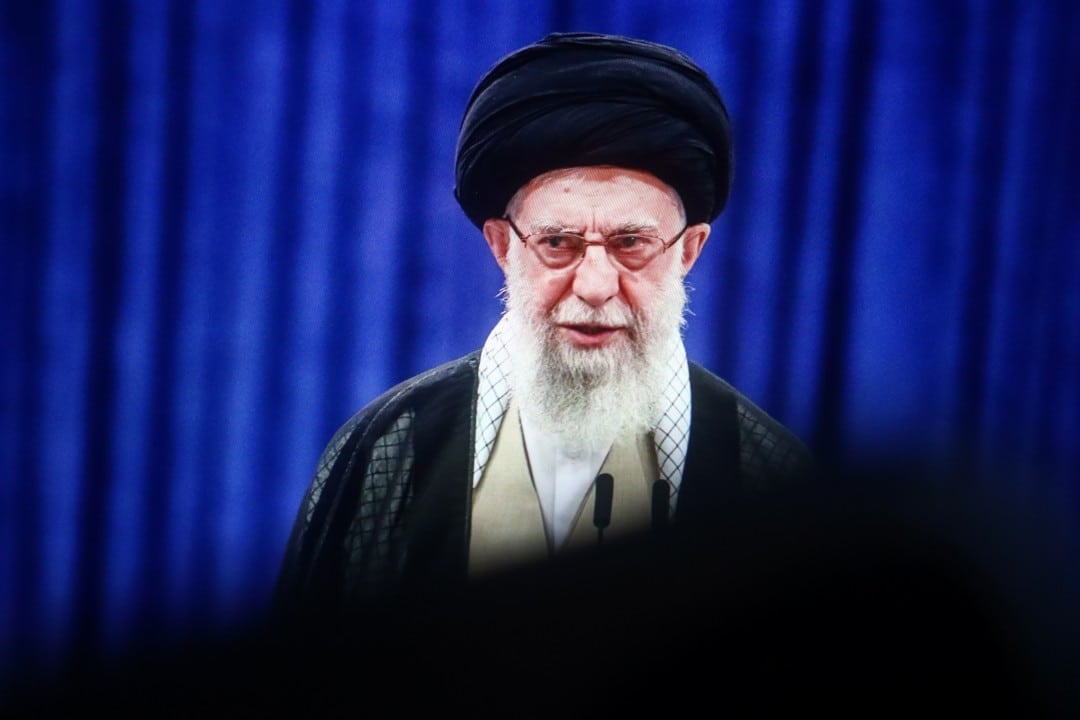
Iran’s Supreme Leader, Ayatollah Ali Khamenei, issued a direct challenge to United States President Donald Trump on Friday, urging him to redirect his attention towards domestic challenges within his own country. This pronouncement arrived as anti-government demonstrations escalated across Iran, marking a significant moment in the ongoing political tensions.
The remarks were made during a televised address, representing Khamenei’s initial public comments since the protests gained momentum. His message underscored a firm stance against external perceived influences while attempting to consolidate national unity amidst internal dissent.
These events unfold against a backdrop of heightened international scrutiny and persistent calls for reform from various segments of Iranian society. The escalating situation has drawn global attention to the human rights situation and political stability within the nation.
Khamenei dismisses agitators and warns enemies
During his address, Ayatollah Khamenei strongly condemned what he termed “agitators” intent on pleasing the American president through the destruction of public property. He asserted that a unified Iranian populace would ultimately overcome all adversaries, signaling a resolute defense of the current regime.
The leader’s statement was a clear defiance against any perceived attempts to destabilize the Islamic Republic. He articulated a vision of national resilience, emphasizing the strength and unity of Iran’s citizens in the face of adversity.
“The Islamic Republic came to power with the blood of hundreds of thousands of noble human beings,” Khamenei declared, reinforcing the historical sacrifice underpinning the regime’s establishment. This statement served as a powerful reminder of the revolution’s origins and its perceived legitimacy.
Furthermore, he explicitly warned that “The Islamic Republic will not back down against those who seek to destroy us,” conveying an unwavering commitment to defending the nation’s sovereignty and political system against all threats, both internal and external.
Escalating tensions and US presidential warnings
The Supreme Leader’s comments closely followed a reiteration by President Trump on Thursday regarding his threat to launch attacks against Iran. This warning came specifically in the event that Iranian security forces were to use lethal force against the ongoing wave of demonstrators.
President Trump’s prior statements had already signaled a heightened level of pressure from Washington, indicating a readiness to intervene should the situation in Iran deteriorate further. The rhetoric from both sides has significantly amplified the political friction between the two nations.
This diplomatic confrontation highlights the deep-seated animosity and distrust that characterize US-Iran relations, especially during periods of internal unrest within Iran. Each statement from either leader adds another layer to the complex geopolitical dynamic.
The recurring threats from the US presidency underscore a firm stance against the Iranian regime’s potential use of excessive force against its citizens. Such warnings often serve to put international pressure on governments facing widespread protests.
Iranian exiles advocate for further action
Meanwhile, exiled Iranian royalty and opposition figures have actively called for continued and expanded protests across the country. These appeals often leverage international media platforms and social networks to mobilize dissent.
These efforts from abroad aim to capitalize on the existing discontent within Iran, providing a rallying cry for those advocating for systemic change. The calls for further demonstrations can significantly impact the longevity and scale of the protests.
The exiled crown prince has been particularly vocal, urging Iranians to persist in their demands for a different future. Such figures often represent an alternative vision for the country’s governance, resonating with segments of the population.
Their pronouncements typically provide a counterbalance to the official narrative propagated by the Iranian government, influencing international opinion and providing a voice for opposition movements. This dual pressure from within and outside Iran complicates the regime’s efforts to quell unrest.
Regime’s repressive apparatus faces control challenges
An in-depth analysis suggests that Iran’s extensive repressive apparatus has faced unprecedented challenges in controlling the widespread anti-government protests that have swept across the nation. The sheer scale and persistence of the demonstrations appear to be testing the limits of state control.
The demonstrations, characterized by their decentralized nature and rapid spread, have presented difficulties for security forces accustomed to containing more isolated incidents. This diffusion of protest activity makes traditional suppression tactics less effective.
Internal security measures, including widespread surveillance and rapid deployment of forces, have struggled to keep pace with the evolving tactics of the protesters. The adaptability of the protest movement has been a key factor in its resilience against the state.
Observers note a growing sense of frustration among citizens, fueled by economic hardships and demands for greater freedoms. This underlying societal tension provides fertile ground for sustained opposition to the current leadership.
Calls for international scrutiny intensify
International organizations and human rights groups have intensified their calls for global scrutiny over the Iranian government’s response to the protests. Concerns about human rights violations and suppression of free speech are paramount.
Governments worldwide are monitoring the situation closely, with many urging restraint from Iranian authorities. The international community often plays a critical role in highlighting such events and pressing for peaceful resolutions.
Reports from various independent monitors detail arrests, injuries, and a crackdown on information flow within the country. These accounts contribute to a broader understanding of the human cost associated with the ongoing unrest.
The emphasis on transparency and accountability from the international community aims to deter further repression and protect the rights of peaceful demonstrators. Such calls can significantly influence the actions of governments in times of crisis.
Economic strain fuels public discontent
Economic stagnation and persistent inflation continue to be major drivers of public discontent across Iran, intertwining with political grievances to fuel the ongoing protests. The cost of living and lack of economic opportunity are critical factors.
Many citizens express frustration over the perceived mismanagement of the economy, which has been exacerbated by international sanctions and internal policies. These financial pressures contribute significantly to widespread dissatisfaction.
Geopolitical context and regional implications
The escalating situation in Iran also carries significant geopolitical implications for the wider Middle East, potentially impacting regional stability and international relations. Neighboring countries and global powers watch with apprehension.
The current unrest adds another layer of complexity to an already volatile region. Any major shift in Iran’s internal dynamics could reverberate across multiple international spheres.