
Poco F8 Ultra and Galaxy S25 Ultra face off in a duel of specifications and value for money

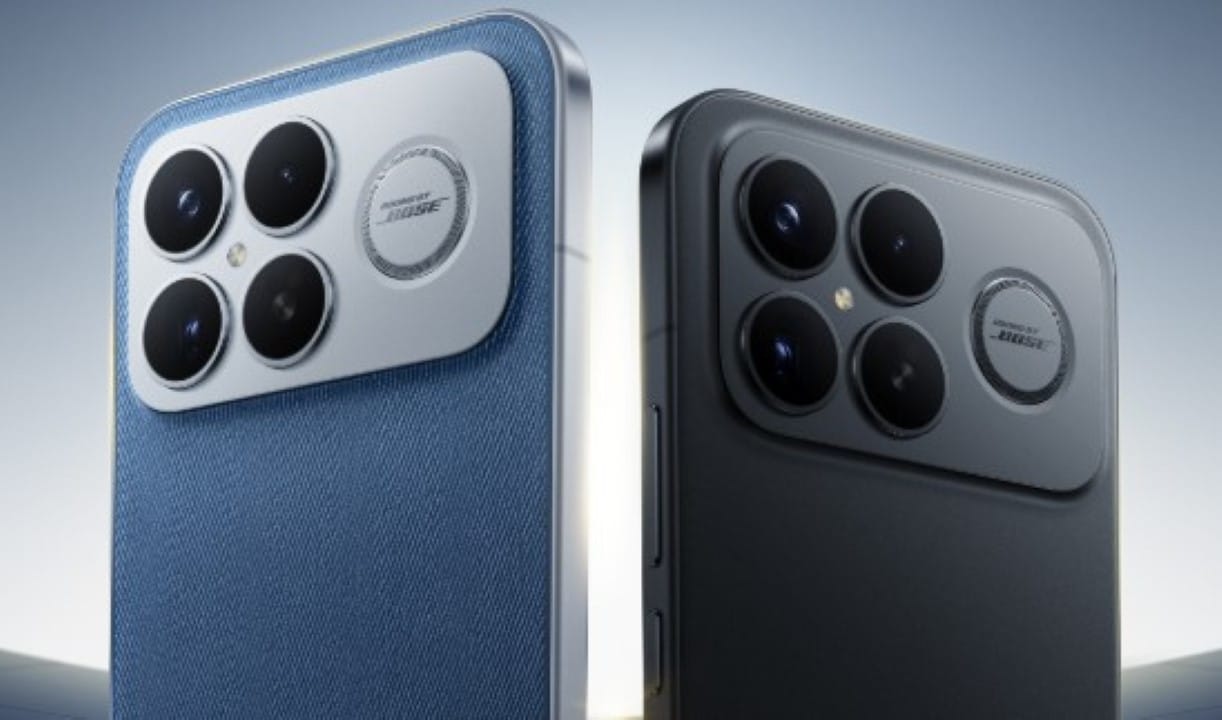
The fight for dominance in the premium smartphone segment takes on a new shape with the arrival of two strong competitors: the Samsung Galaxy S25 Ultra and the Xiaomi Poco F8 Ultra. Ambos the devices promise to deliver the most advanced processing technology, cameras and screen, but adopt different strategies to win over the most demanding consumers on the market.
On the one hand, the Poco F8 Ultra positions itself as a high-performance alternative with an aggressive focus on cost-benefit, especially by offering a higher capacity battery and ultra-fast charging. Do another, the Galaxy S25
The choice between the two models will directly depend on each user’s priorities. Enquanto one device stands out for its brute strength and energy autonomy, the other offers a more refined and integrated experience, with exclusive features that aim to increase productivity and guarantee the longevity of the investment. Esta analysis details the strengths and weaknesses of each one to help with the purchasing decision.
Design and finishing of devices
In terms of design, the Xiaomi Poco F8 Ultra features a robust construction with fiberglass or silicone finishing options, including a variant called Azul Denim that simulates the texture of jeans, giving the device a unique visual identity. With a thickness of approximately 8.3 mm and a weight of 220 grams, the device offers comfortable ergonomics for daily use, in addition to being IP68 certified, which guarantees resistance against dust and immersion in water.
In contrast, the Samsung Galaxy S25 Ultra raises the standard of sophistication by using a titanium structure, complemented by Gorilla Armor 2 glass on the front and Ligeiramente thinner and lighter, measuring 8.2 mm thick and weighing 218 grams, the Samsung model has flat edges and a matte finish that improves grip and minimizes fingerprints. IP68 certification is also present, ensuring durability in adverse conditions and temporary immersion.
Screen quality and visual experience
The displays represent one of the main attractions in both flagships. The Poco F8 Ultra comes equipped with a 6.9-inch AMOLED panel with 1.5K resolution and 120Hz refresh rate. Seu peak brightness reaches an impressive 3500 nits, which makes it easy to view in direct sunlight, and supports technologies like Dolby Vision and HDR10+ for an immersive video experience.
The Galaxy S25 Embora its maximum brightness is 2600 nits, it is compensated by an anti-reflective coating that significantly improves readability in outdoor environments. LTPO technology allows you to dynamically adjust the refresh rate to save power.
Both devices guarantee vibrant colors and exceptional fluidity in games and videos. A subtle difference is in sensitivity to flicker, where the technology used in the Poco can offer greater visual comfort for users with eyes more sensitive to this effect.
Performance and processing power
When it comes to performance, the Poco F8 Ultra uses the Snapdragon 8 Elite Gen 5 chipset, combined with options of 12 GB or 16 GB of RAM and UFS 4.1 storage. Este set excels in benchmarks and prolonged tasks, thanks to an advanced cooling system that maintains the device’s stability even during intense gaming sessions.
The Samsung Galaxy S25 Ultra, in turn, employs a customized version of the same Snapdragon 8 Elite, optimized for your software. Acompanhado with 12 GB of RAM and UFS 4.0 storage, the focus of the Samsung is on ensuring fluid and consistent performance when multitasking and using heavy applications on a daily basis.
Although benchmark tests point to a slight advantage for the Xiaomi model in raw power, the Samsung’s software optimization ensures an extremely polished and responsive user experience. The difference in performance in practice is almost imperceptible for most users.
In practice, both configurations are more than capable of handling any app or game currently available, delivering a top-notch experience without stuttering or slowdowns. The choice between them, in this regard, comes down to whether you prefer maximum power or software optimization.
Camera set under review
The camera system is one of the biggest points of divergence between the two smartphones. The Poco F8 Ultra features a versatile triple set, with all 50 MP sensors, including optical stabilization in two of them and a 5x optical zoom. Sua ultra-wide lens captures a 102-degree field of view, producing images with high contrast and good performance in low-light conditions.
The Galaxy S25 Ultra offers a more complex and robust photographic set, led by a 200 MP main sensor. Ele is accompanied by a 50 MP telephoto lens with 5x zoom, a 10 MP lens with 3x zoom, and a 12 MP ultra-wide lens with a 120-degree field of view. Optical stabilization covers all sensors, resulting in photos with more natural colors and a higher level of detail, especially at long distances.
Battery autonomy and recharge speed
The battery is, without a doubt, the big difference in favor of the Poco F8 Ultra. The device integrates a 6500 mAh cell, a capacity significantly greater than that of its competitor, which translates into autonomy that can reach two days with moderate use. Além is long-lasting, it stands out for its charging speed, with support for 100W via cable, capable of taking the battery from 0 to 100% in less than 40 minutes, and 50W in wireless mode. Essa combination of capacity and speed offers unbeatable convenience for users who rely heavily on their cell phones. In contrast, the Galaxy S25 Ultra comes with a 5000 mAh battery and 45W wired charging. Embora software optimizations ensure that the device can withstand a full day of intense use, the lower capacity and slower recharge put it at a clear disadvantage in this regard. Para For those who value not having to worry about taking power throughout the day, the Xiaomi proposal is clearly superior.
Exclusive software, updates and features
The Poco F8 Ultra runs the HyperOS system, based on the Android 16, which stands out for its wide customization options and integrated artificial intelligence tools, with a four-year policy of major system updates. Já o Galaxy S25 Recursos like the integrated S-Pen stylus and DeX mode, which transforms the cell phone into a desktop, are exclusives that add value to productivity in the Samsung model.
Prices and market positioning
The pricing strategy reflects the distinct positioning of each brand in the market. The Poco F8 Ultra starts at around US$729 for its entry-level version, consolidating itself as an extremely competitive option in the flagship segment. Esse price makes it an attractive choice for consumers looking for maximum performance and features without having to invest the value of an ultra-premium device, offering an excellent value for money package.
On the other hand, the Samsung Galaxy S25 Ultra is positioned in a higher price range, with values exceeding US$1,000, depending on the storage configuration chosen. The Samsung justifies this investment with the strength of its brand, the finish in noble materials such as titanium, a well-integrated product ecosystem, the exclusivity of features such as the S-Pen and, most importantly, the seven-year software update policy, which guarantees a longer useful life and security for the device.




