
Iran’s Supreme Leader Defies Trump, Calls Protests Vandalism Amid Crackdown


Protesters have taken to the streets in several cities in Irã in recent days, in a wave of protests that began at the end of December motivated by the serious economic crisis. The situation quickly escalated to direct political demands against the regime, with cries of “Death to the dictator” in reference to supreme leader Ali Khamenei. The government responded with intense repression, including a total internet blockade in the country since Thursday, which made it difficult to disseminate information about the exact scope of the demonstrations. The president of the Estados Unidos, Donald Trump, renewed threats of intervention if security forces kill protesters.
The demonstrations spread to at least half of Iran’s provinces, with reports of fires in vehicles and public buildings in Teerã and other locations. Grupos human rights activists have recorded dozens of deaths since the beginning of the movement, including civilians and members of the security forces. The rial currency continues to collapse, and high inflation worsens popular dissatisfaction.
Khamenei’s response to the demonstrations
Ayatollah Ali Khamenei made his first public statement on the crisis this Friday, broadcast on state television. Ele classified the protesters as vandals and saboteurs who destroy public property just to please the foreign president. Khamenei stated that the regime will not back down in the face of these acts and that Irã does not tolerate actions by mercenaries serving external interests.
The supreme leader directed direct criticism at Trump, stating that the American president should take care of his own country’s internal problems. Ele mentioned that Trump’s hands would be stained with the blood of Iranians, in reference to past events involving military actions. Manifestantes, according to Khamenei, ruin their own streets with the aim of receiving external support.
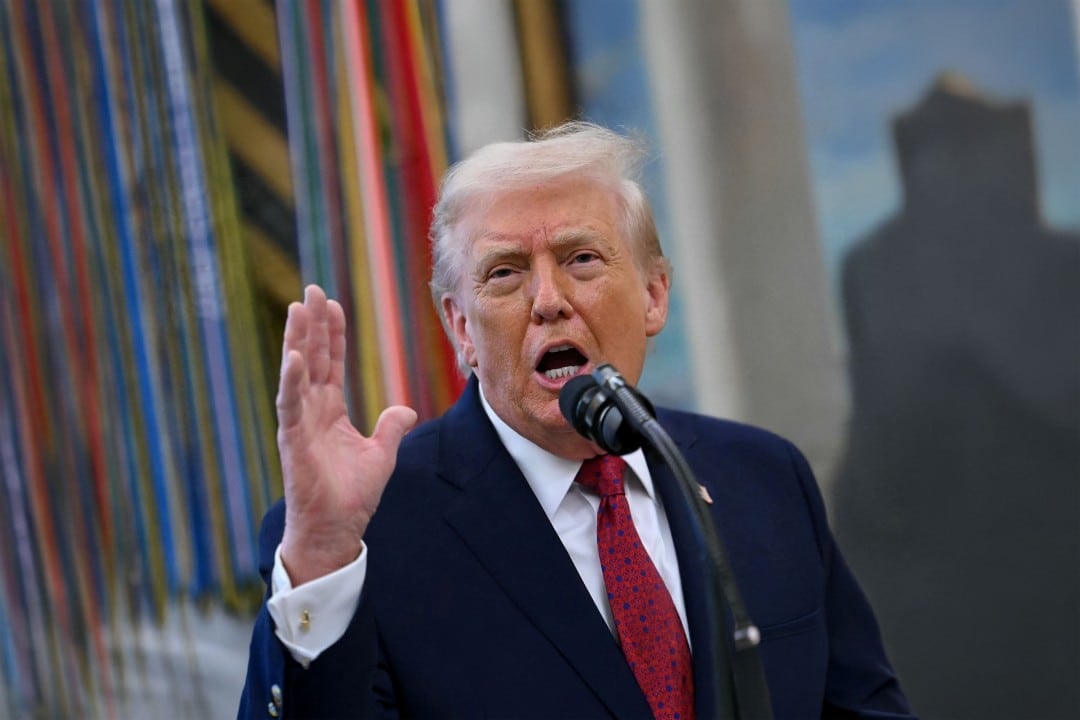
Escalation of tensions with the Estados Unidos
Trump reiterated in recent statements that the Estados Unidos will not tolerate the killing of protesters by the Iranian regime. The American president warned that any lethal action against civilians would lead to a harsh response, capable of significantly affecting the country. Ele expressed hope that participants in the demonstrations would remain safe in an environment considered dangerous.
The exchange of accusations between Khamenei and Trump intensified the already tense relations between the two countries. Autoridades Iranian women accuse the Estados Unidos of encouraging violence in the streets and turning peaceful protests into subversive acts. The Iranian government sent a statement to the UN blaming external interference for the escalation.
Economic and social impact on protests
The economic crisis was the initial trigger for the demonstrations, with the rial losing significant value and inflation exceeding 40% in December. Comerciantes and ordinary citizens began isolated actions against the price increase, but police repression increased demands for the supreme leader’s resignation. Vídeos show crowds blocking roads and burning government symbols in cities such as Teerã, Shiraz and Zahedan.
Security forces used tear gas and, in some cases, gunfire to disperse groups. Relatos point to mass arrests, with numbers exceeding two thousand arrests according to human rights organizations. The internet blocking aims to contain the organization of acts and limit the global visibility of street scenes.
Internal reactions and threats of greater repression
Iranian judicial authorities have promised decisive and non-lenient punishments for those involved in clashes. Promotores mentioned the possibility of severe sentences, including capital punishment for cases classified as sabotage. The Exército and the Guarda Revolucionária stated that they will defend national interests and the achievements of the 1979 revolution.
The movement represents the biggest challenge to the clerical regime in recent years, surpassing in scope some previous waves. Manifestantes display historical symbols and chant slogans for regime change, with references to the pre-revolutionary period. The situation remains volatile, with reports of acts continuing despite the restrictions imposed.
The supreme leader reinforced the need for national unity in the face of what he called terrorist actions, promising that the government will remain firm to preserve the established order.



